





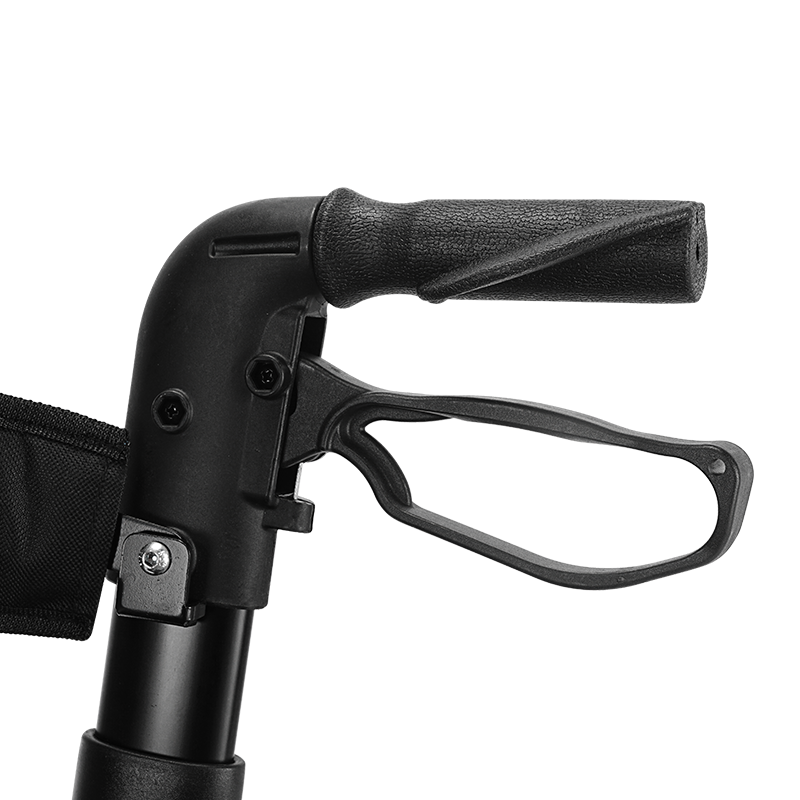
Continuous Improvement & Innovation for Trust Building Rollator Procurement
Leading procurement teams know that trust building rollator procurement does not end at contract signing. To build and sustain trusted supplier relationships, organizations must create a culture of continuous improvement and shared innovation. This article outlines actionable strategies, digital tools, and KPI frameworks that procurement teams can use to drive value, reduce risk, and stay ahead of market changes.
1. Embedding Continuous Improvement in Supplier Relationships
Continuous improvement (CI) is a systematic approach to identifying, implementing, and sustaining enhancements in quality, delivery, compliance, and cost. For trust building rollator procurement, CI means:
Regularly reviewing supplier performance metrics and root causes of issues
Establishing joint improvement projects with suppliers (e.g., cost reduction, quality upgrades, lead time optimization)
Sharing lessons learned across the supply base
CI initiatives should be supported by open feedback, transparent data sharing, and formal recognition of supplier achievements.
2. Fostering Supplier Innovation
Trust-based procurement partnerships enable suppliers to share their best ideas and new technologies. Key actions include:
Including innovation and R&D metrics in supplier scorecards
Setting up joint workshops or pilot programs for new product or process development
Protecting intellectual property with clear agreements to encourage open collaboration
When suppliers are empowered to innovate, both parties benefit from improved products, lower costs, and market leadership.
3. Digital Tools for Real-Time Improvement Tracking
Digital procurement platforms and analytics tools allow teams to:
Track CI project milestones, deliverables, and results in real time
Automate data collection for KPIs, customer feedback, and nonconformance trends
Benchmark supplier innovation and improvement rates across the supply base
Dashboards and automated alerts keep all stakeholders aligned and focused on shared goals.
4. Sustaining Trust Through Transparent KPI Measurement
Key performance indicators should be defined jointly with suppliers and include:
On-time project completion and milestone achievement
Reduction in nonconformance rates or cost per unit
New idea submission rates or R&D project outcomes
Transparency and regular review build confidence and accountability, sustaining trust building rollator procurement over time.
5. Feedback Loops, Recognition & Relationship Building
Ongoing two-way feedback and formal recognition of supplier contributions are essential for continuous improvement. Best practices include:
Biannual supplier innovation awards or public recognition events
Customer and end-user feedback integration into improvement projects
Periodic relationship reviews to adjust goals and address concerns
Strong supplier relationships are built not only on contracts, but on shared success and mutual trust.
For more details, please visit: www.relaxsmithrollator.com



