





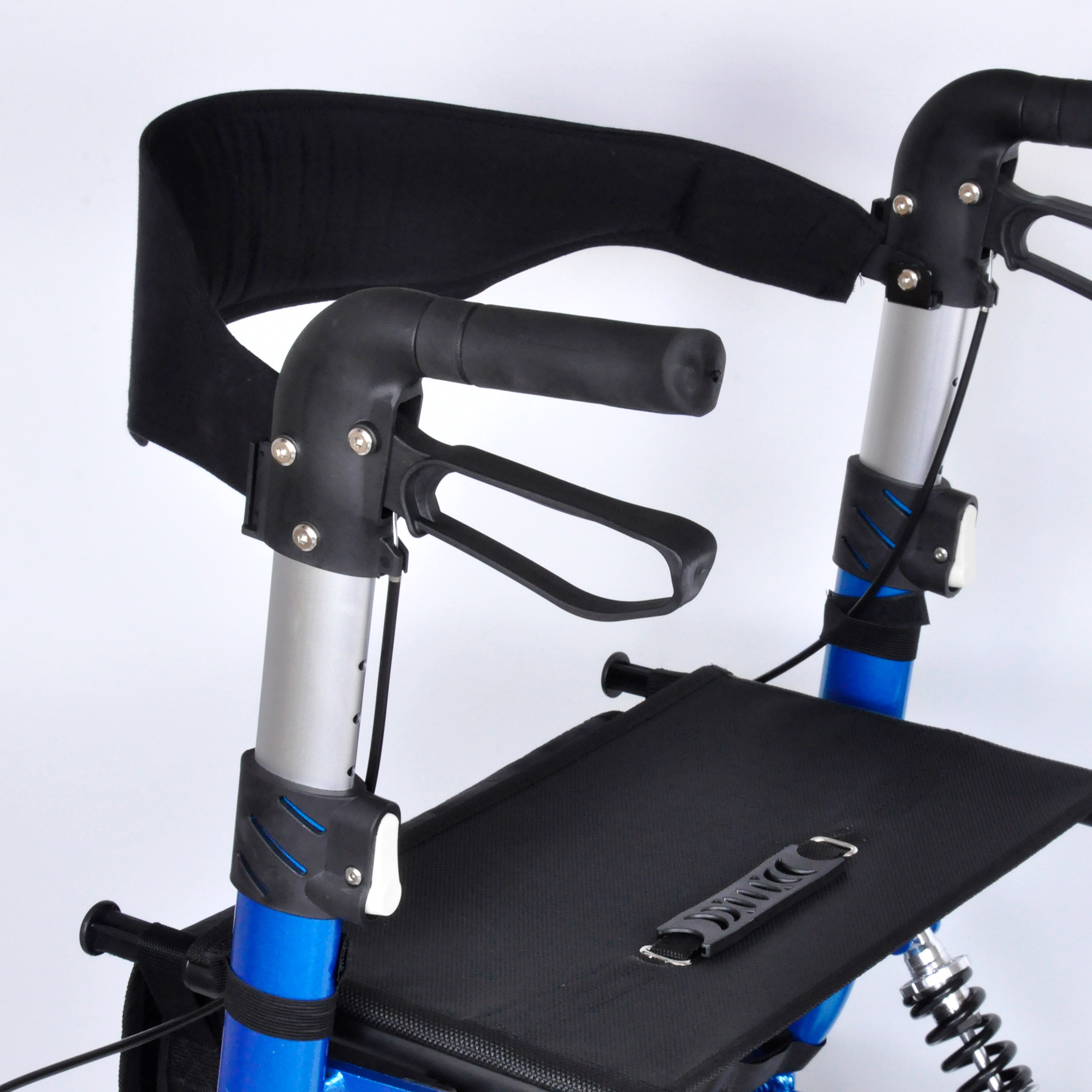
Regulatory Compliance & Documentation for Trust Building Rollator Procurement
In global rollator procurement, regulatory compliance and documentation management are the backbone of trust building rollator procurement. Compliance failures or missing documents can result in shipment delays, recalls, penalties, and a collapse of trust between buyers and suppliers. Procurement leaders must implement rigorous, transparent processes to ensure all regulatory and documentation requirements are met at every stage. This article explores best practices, digital solutions, and risk mitigation strategies to achieve audit-ready compliance in every rollator sourcing project.
1. Understanding Key Regulatory Requirements
Rollators are classified as medical devices in most jurisdictions and must comply with regulations such as:
CE Marking under MDR (EU Medical Device Regulation)
FDA 510(k) clearance for the US market
ISO 11199 standards for walking aids
Local labeling, packaging, and documentation rules
Procurement teams must maintain up-to-date knowledge of relevant laws and verify that every supplier’s products and documents align with target market requirements.
2. Document Management: From RFQ to Delivery
Document requirements span the entire procurement lifecycle and include:
Technical files (drawings, specifications, test reports)
Compliance certificates (CE, FDA, ISO, country-specific approvals)
Quality management system (QMS) documents
Shipping, labeling, and customs paperwork
Change control and nonconformance records
Best-in-class organizations use digital document management systems to centralize, secure, and track every file with full version control and audit logs.
3. Supplier Qualification & Continuous Compliance
Compliance is not a one-time event but a continuous process. Leading procurement teams:
Assess supplier compliance processes during onboarding and at regular intervals
Conduct periodic document audits and request updated certificates
Leverage checklists and automated reminders to ensure no document is missed
Suppliers who demonstrate proactive compliance build long-term trust and reduce buyer risk.
4. Digital Tools for Compliance & Documentation
Modern procurement uses digital tools to streamline compliance:
Centralized cloud-based document repositories with restricted access controls
Automated expiry tracking and renewal notifications for certificates
Blockchain or e-signature technology for tamper-proof records
Compliance dashboards with real-time visibility for all stakeholders
These tools reduce manual workload, ensure audit readiness, and improve response times to regulatory changes or inspections.
5. Risk Mitigation & Issue Resolution
To manage compliance risks, procurement teams should:
Include clear compliance requirements and penalties in contracts
Conduct mock audits and regulatory readiness drills
Maintain escalation procedures for non-compliance or document gaps
Transparent, proactive compliance management reinforces supplier trust and strengthens procurement’s reputation with internal and external stakeholders.
For more details, please visit: www.relaxsmithrollator.com