





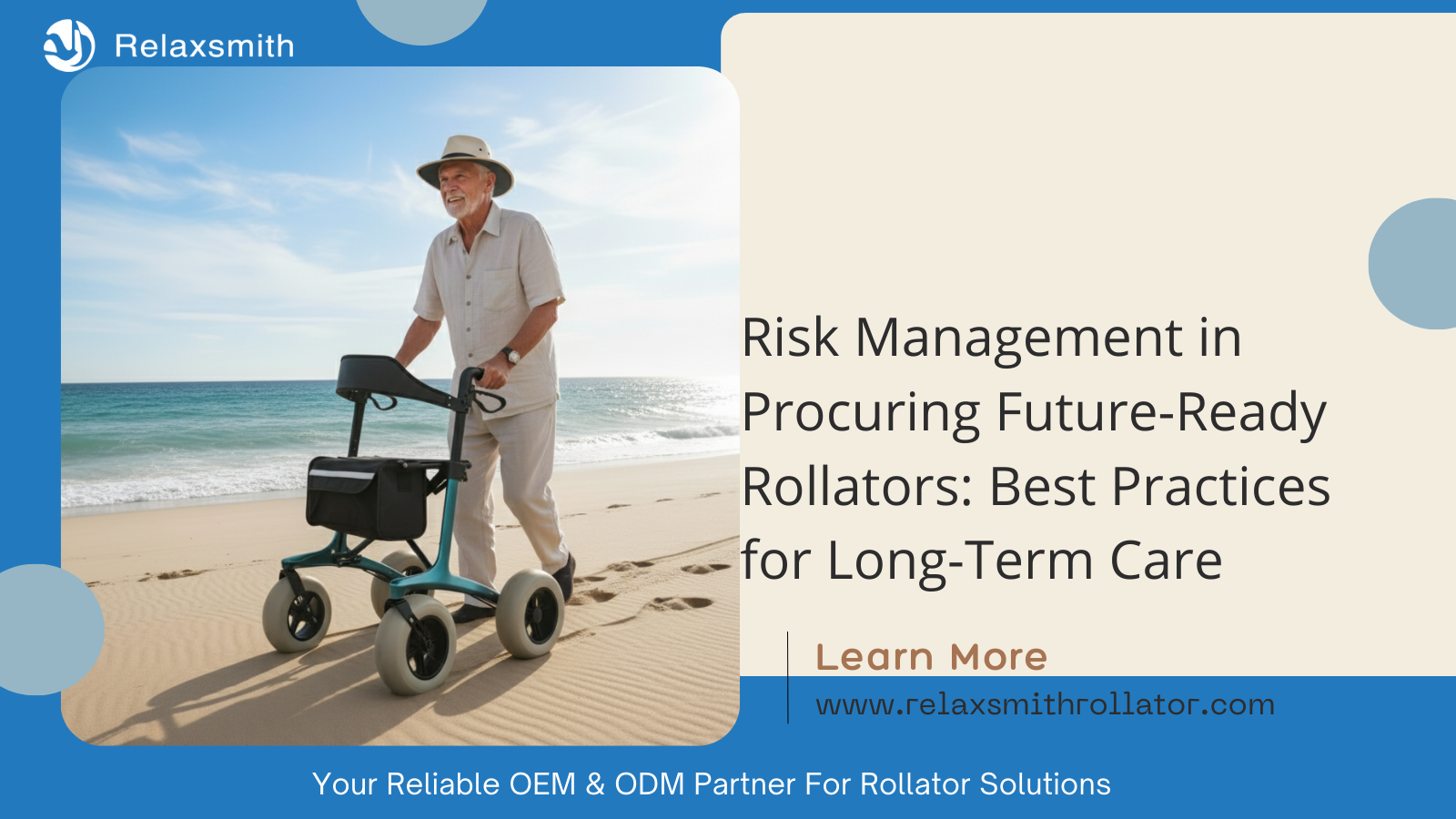
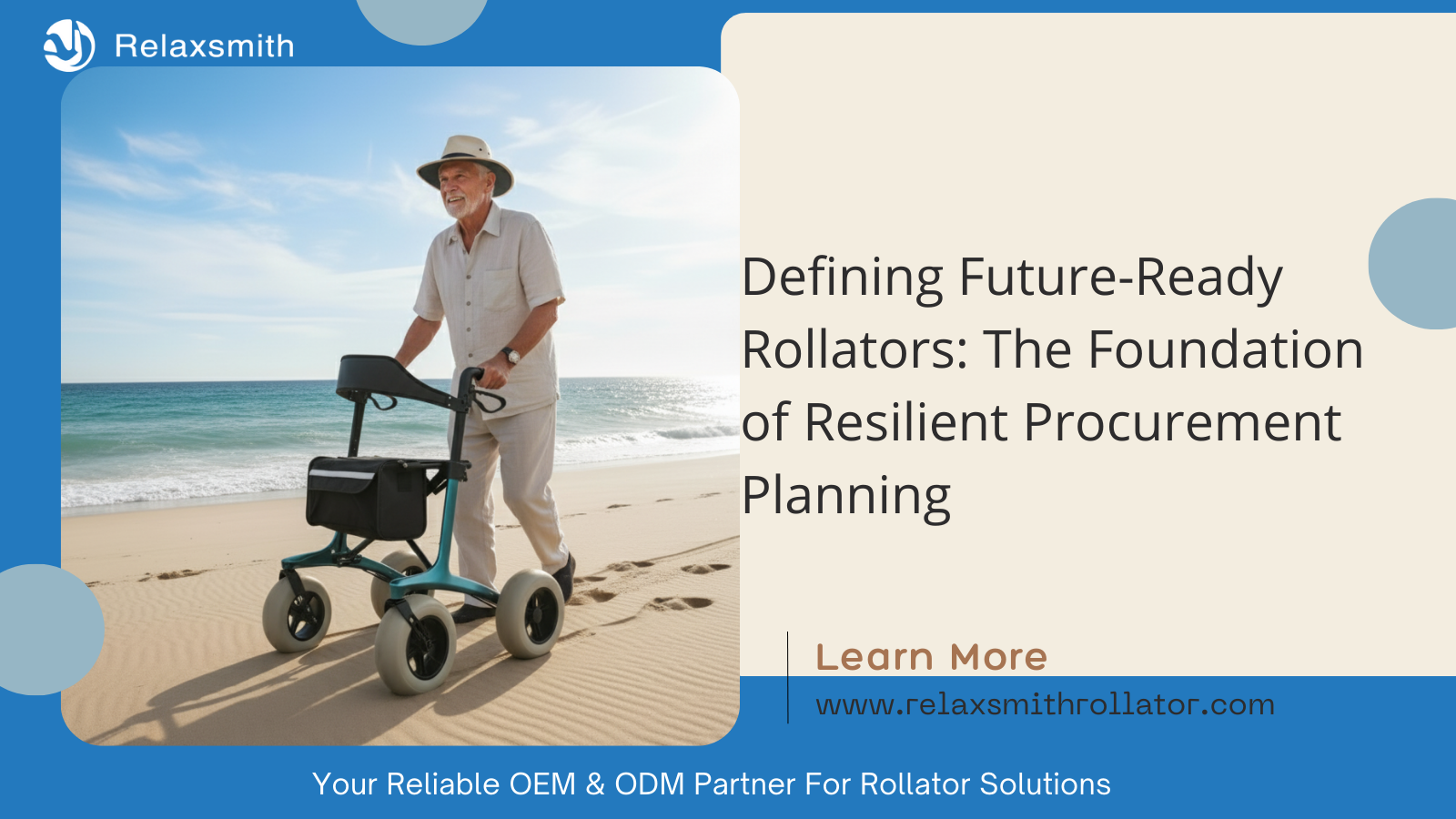
Defining Future-Ready Rollators: The Foundation of Resilient Procurement Planning
In the ever-evolving landscape of long-term care, procurement managers and product strategists are faced with a critical question: What defines a future-ready rollator? This article explores the foundation of future-ready rollator design and procurement, offering in-depth insights for professional buyers seeking the best investment in resilient mobility aids.
Understanding the Core: What Makes a Rollator ‘Future-Ready’?
Resilient future-ready rollators are built to withstand changes in both technology and patient needs, ensuring that healthcare providers make sustainable, high-value investments. For procurement managers, the definition of ‘future-ready’ must account for adaptability, durability, and ease of maintenance over the product’s lifecycle. Modern supply chains require products that remain functional through diverse care environments and evolving regulatory demands. This approach ensures that the rollator remains relevant and cost-effective long after the initial purchase.
Key Features of a Resilient Future-Ready Rollator
There are several essential characteristics that define a resilient future-ready rollator:
Modular Construction — The ability to swap, upgrade, or repair parts easily, reducing downtime and waste.
Advanced Materials — Use of lightweight yet strong alloys or composites for enhanced longevity and user comfort.
Compliance Readiness — Designed for rapid adaptation to new safety, hygiene, and ergonomic regulations.
Universal Compatibility — Features that support a range of accessories and customization to suit various user groups.
Integrated Smart Technologies — Prepared for IoT add-ons or tracking features that align with digital healthcare transformation.
Each of these elements empowers procurement specialists to confidently invest in mobility aids that support operational continuity and the evolving needs of long-term care residents.
The Role of Lifecycle Management in Procurement Decisions
Lifecycle management is a pivotal concept in long-term care procurement. Choosing resilient future-ready rollators ensures:
Lower total cost of ownership through reduced repair and replacement.
Improved sustainability, aligning with ESG goals and reducing environmental impact.
Better data analytics by supporting digital monitoring and predictive maintenance features.
Future-ready rollators serve not just as tools for patient mobility, but as strategic assets that align with the institution’s financial and care objectives.
Challenges in Defining Future-Ready Specifications
Professional buyers face real-world constraints in identifying truly resilient future-ready rollator solutions:
Market Variability — Rapid product cycles and supply chain disruptions can challenge consistent quality.
Vendor Transparency — Not all manufacturers provide detailed roadmaps for upgrades or regulatory changes.
Budget Pressures — Balancing cost-effectiveness with advanced feature sets remains a perennial concern.
Procurement teams must develop detailed, evidence-based criteria that prioritize long-term value and risk mitigation when evaluating options.
Strategic Takeaways for Decision Makers
To define what is truly a resilient future-ready rollator, procurement leaders should:
Adopt a lifecycle value mindset rather than focusing solely on upfront costs.
Establish direct partnerships with manufacturers committed to transparency and upgrade paths.
Align product specifications with projected clinical and technological trends in long-term care.
By integrating these approaches, organizations ensure that their rollator investments support both current users and future operational needs.



