





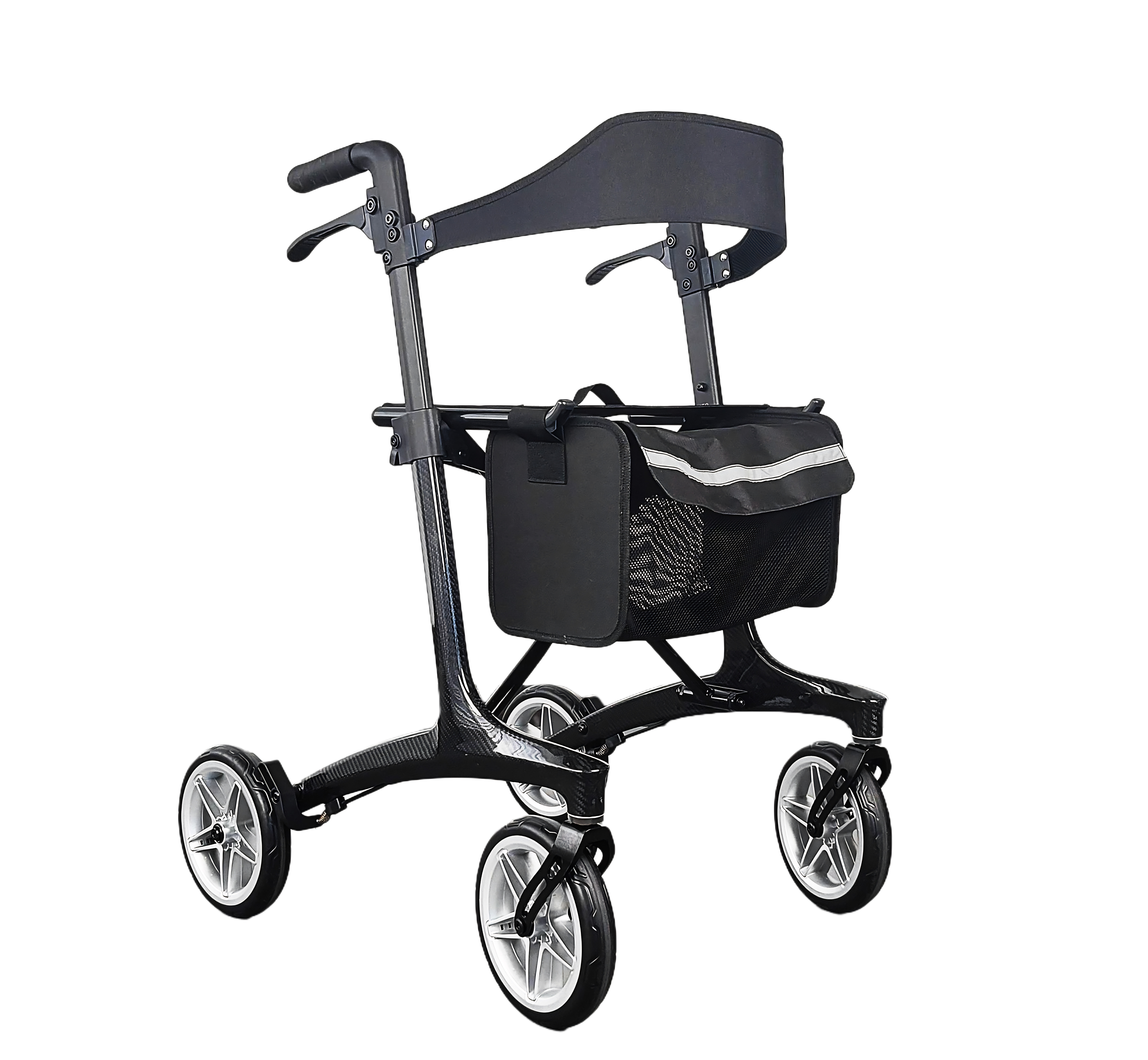
Design Efficiency: Why the Cross-Brace Rollator Is Reshaping Mobility Standards

In the evolving field of mobility engineering, innovation must serve practical outcomes—strength, portability, and user confidence. That’s why some rollators have a cross-brace frame. This configuration is not simply a visual difference; it reflects a deeper shift in how rollators are engineered for stability, ease of use, and manufacturing optimization. In this article, we’ll explore how the cross-brace design is reshaping expectations across the professional mobility space.
1. A Structural Leap Forward
Traditional rollators with parallel frame arms may feel flexible but lack critical support against diagonal forces. Some rollators have a cross-brace frame to resolve this issue, distributing weight and directional loads across the X-frame structure. The result is enhanced rigidity that holds under pressure, reducing structural failure and giving users greater physical security.
2. Engineering for Intuitive Folding
One overlooked benefit of the cross-brace design is its compatibility with vertical folding. Rather than collapsing sideways, these rollators fold inward into a slim, suitcase-style posture. This intuitive mechanism is more accessible for users with arthritis or post-operative conditions, increasing independence and reducing training demands on facility staff.
3. Manufacturing Efficiency and Part Consistency
From a supply chain perspective, cross-brace models can often be standardized across multiple product lines. Fewer variable stress points mean manufacturers can rely on consistent welds and bracket designs, lowering defect rates. This efficiency is why some rollators have a cross-brace frame as the default design in high-volume production lines for hospitals and distributors.
4. User Trust Drives Adoption
Beyond mechanical advantages, user psychology plays a role. Clinical users consistently rate cross-brace models as more “solid” during trials—even if the weight is equivalent. That perception increases adherence, particularly among fall-risk users who might otherwise avoid using assistive devices. This directly impacts outcomes in rehab centers and senior facilities.
5. Designing for Versatile Applications
Modern mobility solutions need to adapt to varied terrain and use-cases—from indoor rehab units to community sidewalks. The cross-brace architecture supports flexible caster design and integrated features like under-seat bags, tray mounts, or oxygen holders—without compromising structural balance.
Conclusion
Choosing the cross-brace frame isn’t about aesthetics—it’s a design decision grounded in safety, efficiency, and confidence. As mobility demands grow more complex, understanding why some rollators have a cross-brace frame becomes essential for any team managing product lines or care delivery. This structure has redefined the standard, and its adoption is likely to accelerate in the years ahead.