





_compressed.jpg)
Design Principles: How Ergonomics Shapes the Future of Walking Aids
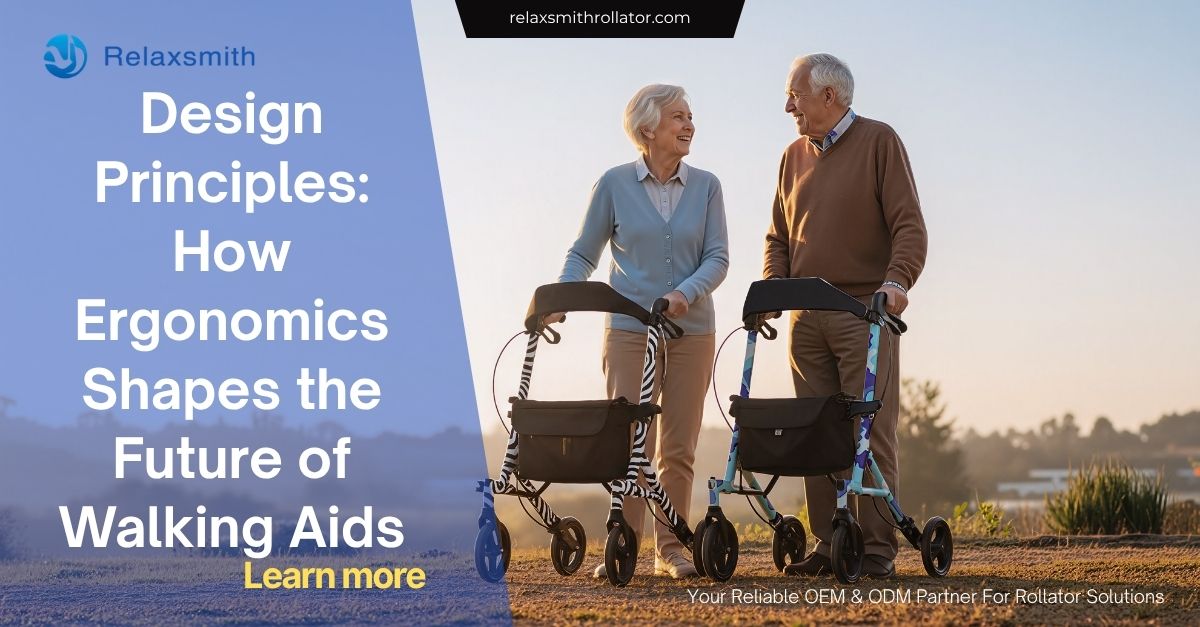
As expectations grow for medical devices that are both user-friendly and regulatory compliant, the role of ergonomics is increasingly central to innovation. Walking Aids: Comfort Meets Compliance is more than a slogan—it is a design philosophy that bridges the gap between comfort, usability, and international standards. In this article, we’ll explore the key ergonomic design principles that product managers and procurement professionals must consider when evaluating or developing next-generation walking aids.
Ergonomics at the Core: Balancing Comfort with Compliance
A successful walking aid is defined by how naturally it fits the user and how well it helps them move safely. But that’s only half the story. The other half is strict adherence to compliance—meeting all medical device regulations and safety standards. Walking Aids: Comfort Meets Compliance requires a delicate balance of factors:
Handle Design: Contoured grips, non-slip surfaces, and adjustable height options for different hand sizes and strength levels.
Weight Distribution: Lightweight yet strong materials that reduce user fatigue while ensuring stability.
Posture Support: Encouraging healthy walking posture and minimizing joint strain through optimal alignment and customizable adjustments.
Regulatory Standards: Conforming to ISO, FDA, and local guidelines for medical equipment safety, materials, and usability.
When comfort and compliance are embedded in the design, walking aids deliver value to both end users and facility operators.
Case Study: Iterative Ergonomic Improvements
A European manufacturer launched a new walking aid that exceeded both comfort and compliance benchmarks. The project included:
User-centered research, involving elderly users and rehabilitation professionals
Rapid prototyping with feedback loops to optimize grip shape and adjustability
Integration of anti-microbial, easy-clean materials for infection control
Full compliance with CE and FDA regulatory testing
The result: reduced user complaints, faster recovery times in clinical trials, and enthusiastic support from supply chain managers seeking both safety and value.
Guidelines for Product Managers and Procurement Teams
Review all ergonomic features—do not rely solely on visual inspection; conduct user trials if possible
Check regulatory certifications for each model
Balance upfront cost with potential for reducing long-term user injuries and liability
Ask for supplier documentation on durability, cleaning protocols, and user satisfaction data
Strategic selection and procurement of walking aids means more than price negotiation—it’s about ensuring the best combination of Walking Aids: Comfort Meets Compliance for both patient and organization.
Conclusion: Ergonomics Drives Market Leadership
In a marketplace where innovation, safety, and comfort are all required, ergonomics is the true differentiator. By prioritizing Walking Aids: Comfort Meets Compliance from the first sketch to the final shipment, companies can win the loyalty of both end users and procurement professionals—securing a reputation for quality, compliance, and care.
SEO Keywords (40 groups for this series)
ergonomic walking aids
walking aid comfort
walking aid compliance
medical device design
user-centered walking aid
handle grip ergonomics
lightweight walking aids
walking aid ISO
FDA compliant walking aid
adjustable walking aids
posture support aid
non-slip grip aid
rehabilitation device comfort
fall prevention walking aid
anti-microbial materials walking aid
customizable walking aids
walking aid user safety
ergonomic certification aid
patient mobility product
elderly walking support
procurement walking aid
walking aid durability
user injury prevention
medical product procurement
walking aid regulatory
comfort and compliance
user feedback walking aid
CE mark walking aid
cleanable walking aids
ergonomics supply chain
patient satisfaction mobility
walking aid innovation
rehab professional feedback
mobility device value
walking aid adjustment
mobility compliance
safe mobility device
walking aid procurement guide
clinical trial mobility aid
walking aid supplier selection
Tags:
ergonomic walking aids, walking aid comfort, walking aid compliance, medical device design, user-centered walking aid, handle grip ergonomics, lightweight walking aids, walking aid ISO, FDA compliant walking aid, adjustable walking aids, posture support aid, non-slip grip aid, rehabilitation device comfort, fall prevention walking aid, anti-microbial materials walking aid, customizable walking aids, walking aid user safety, ergonomic certification aid, patient mobility product, elderly walking support, procurement walking aid, walking aid durability, user injury prevention, medical product procurement, walking aid regulatory, comfort and compliance, user feedback walking aid, CE mark walking aid, cleanable walking aids, ergonomics supply chain, patient satisfaction mobility, walking aid innovation, rehab professional feedback, mobility device value, walking aid adjustment, mobility compliance, safe mobility device, walking aid procurement guide, clinical trial mobility aid, walking aid supplier selection