





_compressed.jpg)
Material Selection and Customization for Ergonomic Walking Aids
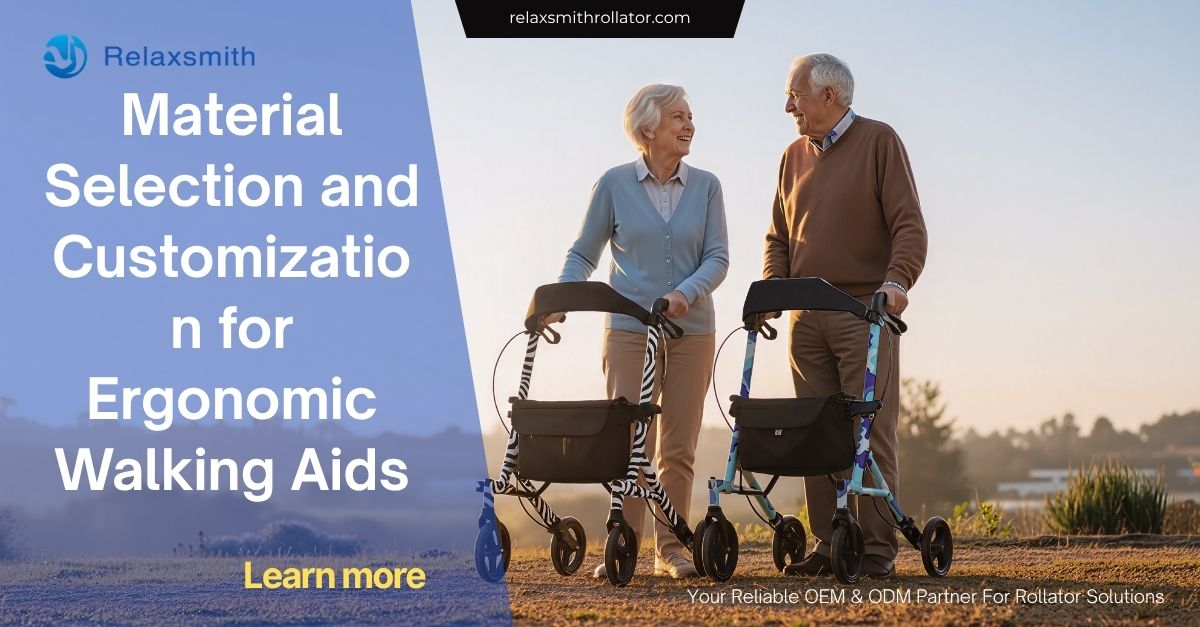
For today’s distributors and procurement leaders, the push toward better Walking Aids: Comfort Meets Compliance solutions begins with the fundamentals—material selection and smart customization. The right combination of materials not only determines the comfort, durability, and safety of walking aids, but also ensures full regulatory compliance. This article examines best practices and market trends for product managers and sourcing teams focused on maximizing both user satisfaction and operational efficiency.
Choosing the Right Materials for Comfort and Compliance
Material science has transformed the walking aid industry. Today’s leading products leverage a range of advanced materials, each contributing to “Walking Aids: Comfort Meets Compliance” in a unique way:
Aluminum and Alloys: Lightweight, corrosion-resistant, and strong—ideal for users who need stability without excess weight.
High-Impact Plastics: Durable and easy to shape, plastics enable custom colors, anti-microbial finishes, and smooth joints.
Soft-Touch Polymers: Used for grips and pads, these reduce pressure points and improve user comfort, especially during long-term use.
Reinforced Carbon Fiber: Ultra-light, exceptionally strong, and increasingly used in premium models for high-performance needs.
Selecting the correct materials is essential to fulfilling the dual promise of “Walking Aids: Comfort Meets Compliance.”
Customization: Meeting Individual and Institutional Needs
Off-the-shelf products rarely meet the varied needs of all users or facilities. Customization options are now central to achieving maximum comfort and compliance. Procurement and product teams should consider:
Adjustable height, width, and handle angle for personalized fit
Modular accessories—such as baskets, lights, or anti-slip tips—for different environments
Choice of grip shapes and materials for users with arthritis or low hand strength
Institutional branding and color coding for easy device management and compliance tracking
Effective customization turns “Walking Aids: Comfort Meets Compliance” from a slogan into a practical procurement reality.
Ensuring Compliance Through Supply Chain Collaboration
Work closely with suppliers to verify source materials meet ISO and FDA standards
Request certifications and audit trails for high-risk materials
Specify cleaning and disinfection requirements in procurement contracts
Engage in supplier training to align on regulatory changes and user safety requirements
A robust compliance program ensures that every walking aid is both comfortable and legally sound, supporting the “Walking Aids: Comfort Meets Compliance” mission.
Key Considerations for Product Managers and Sourcing Leaders
Balance cost with the risk of warranty claims, recalls, or user dissatisfaction
Stay alert to new material innovations for future product upgrades
Establish feedback loops with healthcare professionals and end users to guide future customization
Monitor market trends for sustainable, eco-friendly materials that may soon become regulatory requirements
Making material selection and customization a strategic priority guarantees long-term success for both vendors and buyers in the walking aids market.
Conclusion: Building a Competitive Edge with the Right Materials
The future of walking aids will be defined by products that perfectly combine comfort, compliance, and cost-effectiveness. By prioritizing advanced materials and thoughtful customization, organizations can consistently deliver on the “Walking Aids: Comfort Meets Compliance” promise—ensuring satisfaction for users, safety for facilities, and peace of mind for every procurement professional.
SEO Keywords (40 groups for this series)
walking aid materials
customizable walking aids
aluminum walking aids
carbon fiber walking aid
soft grip walking aid
user fit walking aids
anti-slip walking aid
modular accessories aid
institutional walking aid
ergonomic walking device
regulatory compliant materials
sustainable walking aid
lightweight mobility device
FDA approved walking aid
ISO certified walking aid
walking aid procurement
material certification walking aid
walking aid durability
anti-microbial grip walking aid
handle customization aid
arthritis walking aid
personalized walking aids
eco-friendly walking aid
adjustable handle walking aid
compliance tracking walking aid
branding walking aid
disinfection walking aid
procurement contract walking aid
sourcing walking aids
market trend walking aid
healthcare feedback mobility aid
warranty claim risk aid
recall prevention walking aid
user satisfaction walking aid
premium walking aid materials
supplier collaboration walking aid
audited material walking aid
mobility device upgrades
walking aid innovation sourcing
walking aid cost effectiveness
Tags:
walking aid materials, customizable walking aids, aluminum walking aids, carbon fiber walking aid, soft grip walking aid, user fit walking aids, anti-slip walking aid, modular accessories aid, institutional walking aid, ergonomic walking device, regulatory compliant materials, sustainable walking aid, lightweight mobility device, FDA approved walking aid, ISO certified walking aid, walking aid procurement, material certification walking aid, walking aid durability, anti-microbial grip walking aid, handle customization aid, arthritis walking aid, personalized walking aids, eco-friendly walking aid, adjustable handle walking aid, compliance tracking walking aid, branding walking aid, disinfection walking aid, procurement contract walking aid, sourcing walking aids, market trend walking aid, healthcare feedback mobility aid, warranty claim risk aid, recall prevention walking aid, user satisfaction walking aid, premium walking aid materials, supplier collaboration walking aid, audited material walking aid, mobility device upgrades, walking aid innovation sourcing, walking aid cost effectiveness



