





Enhancing Evaluation Standards for Comparing Traditional and Ergonomic Rollators
Comparing Traditional and Ergonomic Rollators is a critical task for procurement and supply chain managers in healthcare institutions. The growing demand for ergonomic solutions requires a robust evaluation framework that weighs not only cost but also user satisfaction, risk reduction, and clinical outcomes. This article provides a thorough guide to modernizing procurement criteria for these essential mobility aids, helping organizations achieve maximum value from their rollator investments.
1. Defining the Scope: What Constitutes a Traditional vs. Ergonomic Rollator?
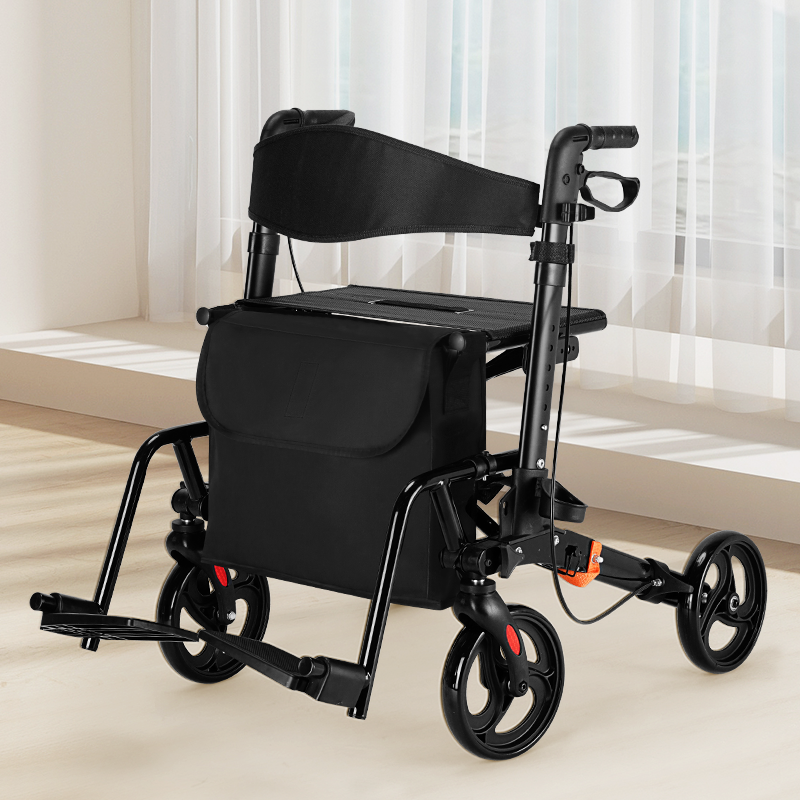
Traditional rollators are typically standardized in design and function, prioritizing simplicity and cost-effectiveness. Ergonomic rollators, however, emphasize user-centered design—adjustable handles, improved grip, shock-absorbing wheels, and supportive seating. Understanding these distinctions forms the foundation for effective procurement.
Key Dimensions: handle adjustability, weight distribution, accessory compatibility
User Focus: clinical comfort, ease of operation, and risk of repetitive strain
Durability: expected service life and maintenance requirements
2. Setting the Evaluation Criteria
For procurement professionals, the comparison of traditional and ergonomic rollators must be evidence-based. Consider:
Cost analysis: upfront price, long-term maintenance, and potential savings on injury-related costs
User adoption and feedback from staff and end-users
Customization options for clinical and patient-specific needs
3. Clinical Outcome and User Experience Considerations
Clinical data can help quantify the difference between rollator types. Ergonomic rollators, for example, may demonstrate measurable reductions in fall risk, muscle fatigue, and rehabilitation time. Collecting and analyzing this data is crucial for a modern evaluation standard.
Track and compare fall incidents before/after ergonomic upgrades
Evaluate training requirements and user satisfaction surveys
Monitor the return rate for defects and user complaints
4. Integration into Procurement Workflows
Integrating these evaluation criteria into procurement platforms and supplier RFQs streamlines sourcing. Automation tools can help rank suppliers and models based on custom evaluation matrices—enhancing the transparency and repeatability of the selection process.
5. Future-Proofing Your Mobility Aid Strategy
Technology is evolving rapidly. Supply chain managers should regularly review the state of ergonomic innovation, incorporate new evidence into their evaluation standards, and maintain open communication with both users and suppliers.
For more details, please visit: www.relaxsmithrollator.com