





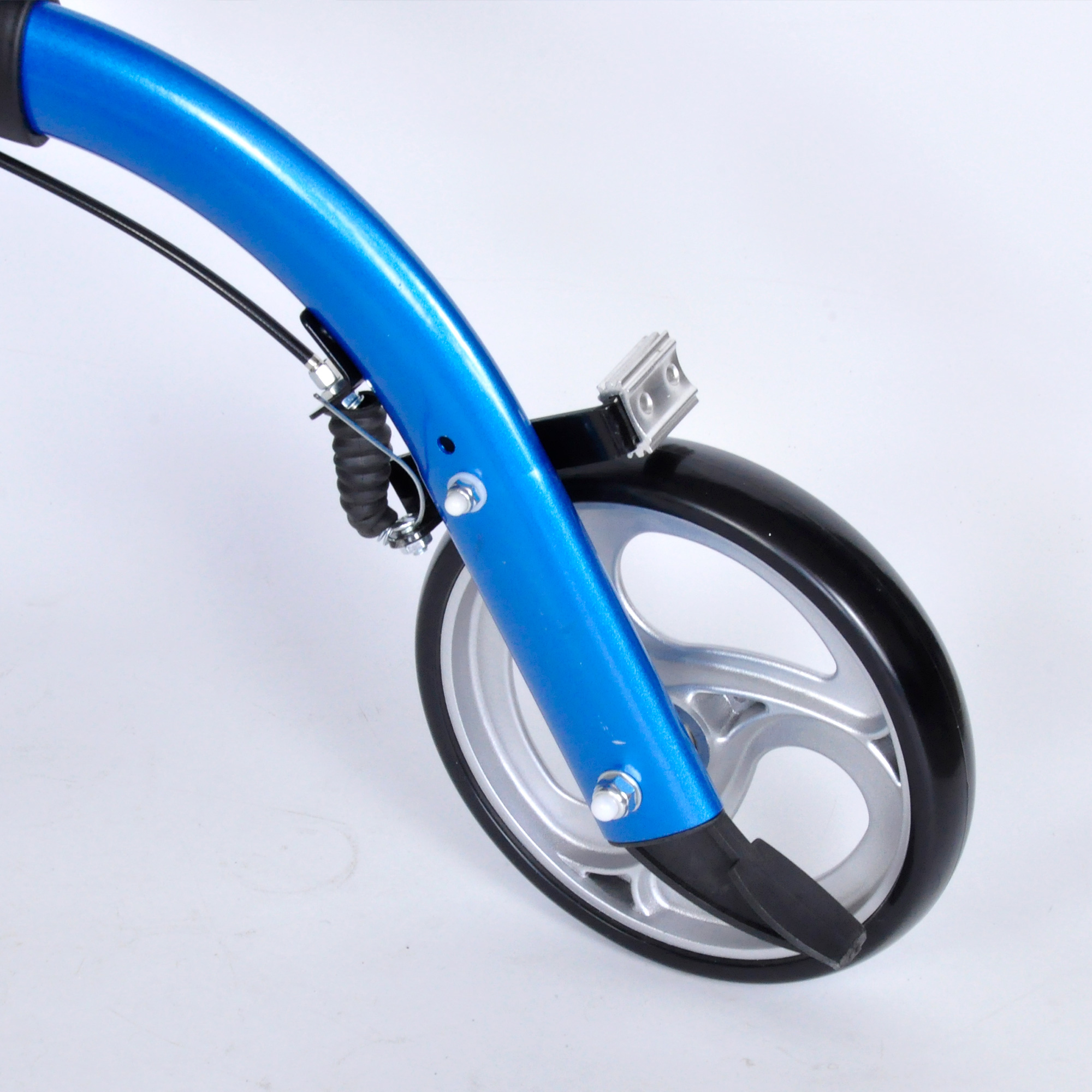
How to Ensure Seamless Accessory Integration When Standardizing Rollator Models

For procurement and product managers in healthcare, the move toward standardizing rollator models across departments or care facilities brings both efficiency and risk. Rollator accessory integration is one of the most common pain points during standardization projects. This comprehensive guide offers proven steps and practical insights to ensure smooth, cost-effective integration and maximize clinical utility.
1. Assessing Accessory Compatibility in the Specification Phase
Before standardizing on a rollator model, create an inventory of required and optional accessories. Match these with manufacturer compatibility matrices and test-fit high-volume items (such as baskets, trays, or specialized grips) for proper function.
Identify critical-use accessories early
Engage end-users to validate requirements
Request compatibility statements from suppliers
2. Standardizing Attachment Mechanisms
Seek models that use universal attachment points or standardized mounting systems. This reduces SKU complexity, supports easier upgrades, and ensures that replacement accessories remain available even if models change.
Specify standard interface requirements in RFPs
Evaluate supplier flexibility in accessory design
Document attachment procedures in training materials
3. Coordinating Supplier Collaboration and Quality Assurance
Proactive collaboration with accessory suppliers and OEMs is crucial for smooth integration. Pilot new configurations, gather user feedback, and build multi-supplier backup plans to mitigate sourcing risk.
Pilot new models with high-usage accessories
Develop quality control checks for fit and function
Negotiate accessory stock agreements with suppliers
4. Embedding Integration into Staff Training and SOPs
Staff should be trained not only on basic operation but on the specifics of accessory integration and troubleshooting. Update SOPs and provide quick-reference guides for common accessories.
Run hands-on training workshops
Distribute visual job aids and fit guides
Audit integration success during implementation
5. Tracking and Improving Integration Outcomes
Collect data on accessory usage and integration issues
Review complaints and service records regularly
Adjust procurement specs based on lessons learned
Conclusion: Building an Agile and Sustainable Standardization Strategy
Seamless rollator accessory integration enables healthcare organizations to maximize efficiency, reduce procurement risk, and improve patient outcomes. By embedding integration at every stage of the product lifecycle, supply chain leaders can create a sustainable, future-ready standardization program.
For more details, please visit: www.relaxsmithrollator.com