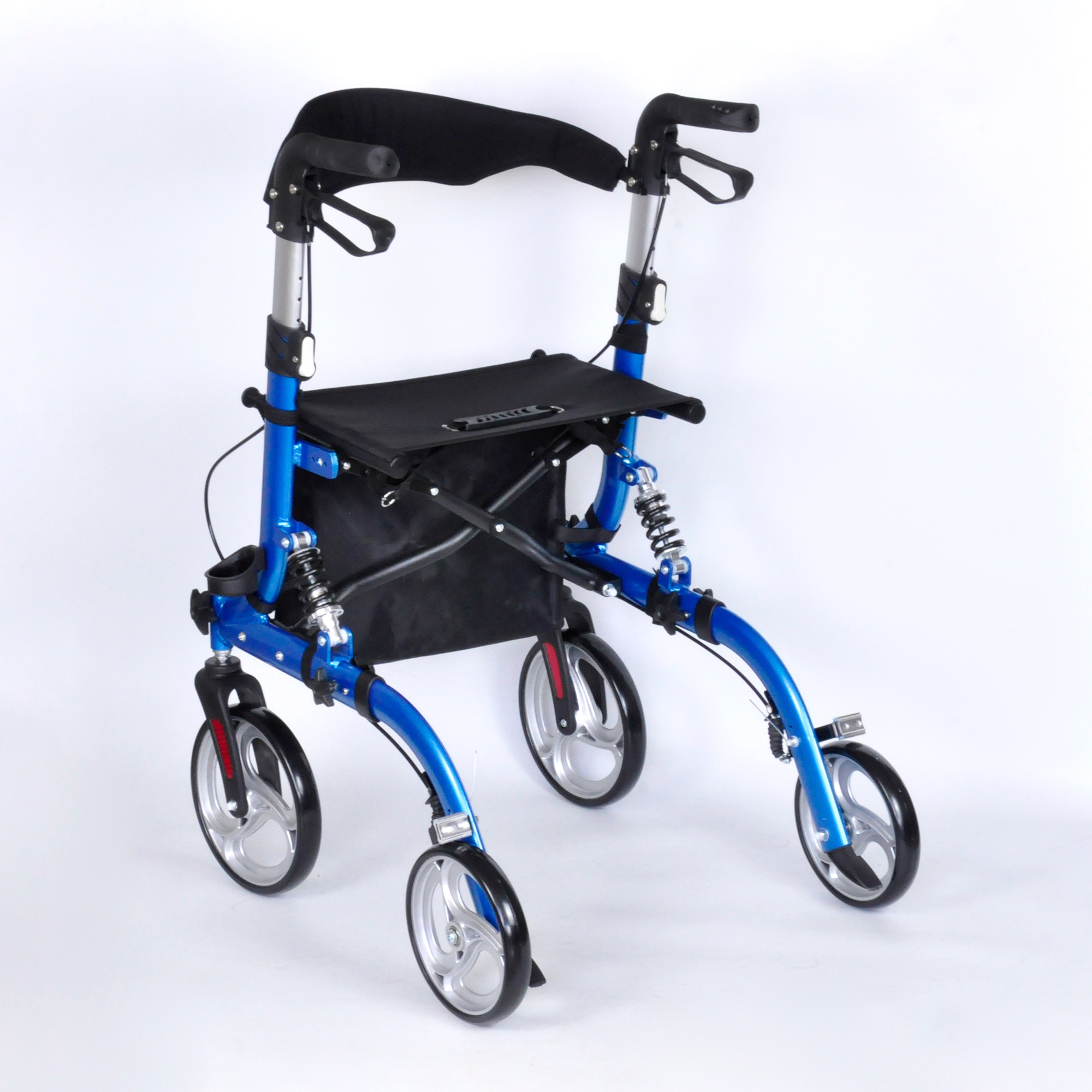
Evaluating Procurement ROI: Long-Term Benefits of Medical Walkers
When healthcare facilities consider purchasing medical walkers, it’s essential to evaluate the return on investment (ROI). While immediate costs are a factor, procurement teams must also consider the long-term benefits these mobility aids provide. This article discusses how hospital procurement teams can measure the ROI of medical walkers by focusing on long-term benefits such as improved patient care, reduced hospital stay durations, and operational cost savings.
1. The Importance of Long-Term ROI in Medical Walker Procurement
The ROI of medical walkers extends beyond the initial cost. While it’s essential to consider the upfront price, procurement teams must also account for how these devices contribute to improved patient care, reduced rehabilitation times, and long-term savings. The long-term ROI of walkers encompasses their role in promoting faster recovery, reducing complications, and minimizing the need for prolonged care.
2. Key Metrics for Long-Term ROI Measurement
Measuring long-term ROI for medical walkers requires an assessment of several factors that contribute to both cost savings and patient care improvements over time. Below are key metrics hospital procurement teams should consider when evaluating ROI:
2.1. Improved Patient Recovery and Reduced Hospital Stay
Medical walkers help patients regain mobility and independence, which can lead to shorter recovery times and reduced hospital stays. By improving patient mobility, walkers allow patients to regain strength faster, reducing rehabilitation times and freeing up hospital beds for new patients. Procurement teams should evaluate the impact of walkers on recovery times and consider the associated cost savings from reduced lengths of stay.
2.2. Reduced Incidences of Falls and Injuries
One of the significant benefits of medical walkers is their ability to reduce the risk of falls and injuries, which are common in healthcare settings. By selecting walkers with non-slip grips, stable frames, and adjustable features, hospitals can decrease the number of fall-related injuries and complications, ultimately saving money on medical treatments and prolonged care. Reducing falls also leads to better patient outcomes and fewer complications.
2.3. Decreased Need for Additional Medical Interventions
Walkers that improve patient mobility reduce the need for additional medical interventions, such as pain management or physical therapy sessions. By promoting independence and improving patient mobility early in the recovery process, walkers can prevent complications and decrease the need for expensive interventions, thus improving the ROI of walker purchases.
3. Total Cost of Ownership (TCO) in ROI Calculation
When calculating ROI, it’s important to factor in the total cost of ownership (TCO) of medical walkers. TCO includes not only the initial purchase cost but also maintenance, repairs, and the lifespan of the walkers. High-quality, durable walkers may have a higher initial cost but can deliver significant savings over time due to their longer lifespan and minimal need for repairs or replacements.
4. Evaluating the Impact on Hospital Operations
In addition to patient care, hospital procurement teams must evaluate how medical walkers impact hospital operations. Walkers that are easy to use, clean, and maintain can help streamline hospital processes and reduce labor costs associated with equipment upkeep. Additionally, ensuring that walkers are compatible with other medical equipment or rehabilitation tools can optimize space and improve operational efficiency.
5. The Role of Supplier Relationships in Maximizing ROI
Establishing strong relationships with reliable suppliers can enhance procurement ROI by securing favorable pricing, warranties, and maintenance services. Procurement teams should work closely with suppliers to negotiate contracts that offer long-term cost savings, such as discounts for bulk purchasing, extended warranties, or free maintenance services.
For more details, please visit: www.relaxsmithrollator.com