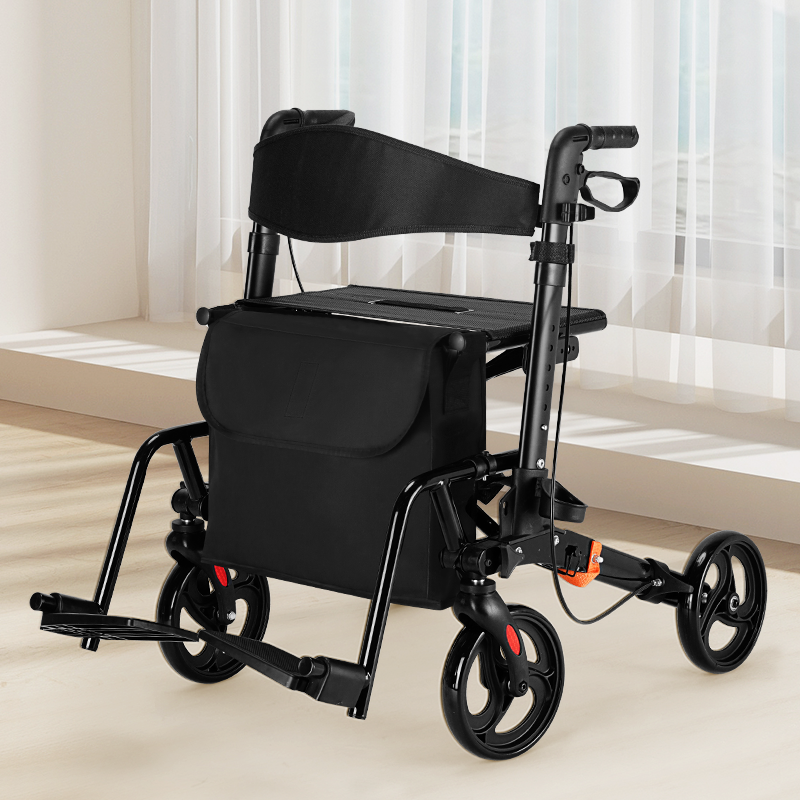
Strategies for Calculating Procurement ROI in Selecting Medical Walkers
When hospital procurement teams invest in medical walkers, understanding the return on investment (ROI) is crucial for making informed decisions. ROI goes beyond purchase costs and involves evaluating long-term savings, improved patient care, and better operational efficiency. This article outlines strategies to calculate procurement ROI when selecting medical walkers, ensuring that hospitals make cost-effective and patient-centered purchasing decisions.
1. Defining ROI in Medical Walker Procurement
In the context of medical walker procurement, ROI refers to the financial return hospitals get from their investment in mobility aids. Procurement teams should look at not just the initial cost of the walkers, but also the long-term benefits, including patient mobility improvements, reductions in rehabilitation costs, and lower overall healthcare expenses due to fewer complications and faster recovery times.
2. Key Metrics for Calculating ROI
There are several key metrics that hospital procurement teams should use to calculate the ROI of medical walkers. These include both tangible and intangible benefits that contribute to patient care and operational efficiency.
2.1. Improved Patient Recovery and Reduced Stay Length
Walkers that promote faster patient mobility can significantly shorten recovery times and reduce the length of hospital stays. This leads to better ROI, as it reduces the cost of care per patient and frees up hospital resources. Procurement teams should track patient recovery data and assess how walkers contribute to shorter rehabilitation periods.
2.2. Reduction in Fall-Related Incidents
One of the primary benefits of medical walkers is their ability to reduce falls in hospital settings, which can lead to additional injuries and extended recovery periods. By selecting walkers with non-slip grips and sturdy frames, hospitals can reduce fall-related costs. Monitoring the number of falls and injuries before and after walker implementation will help measure ROI in terms of safety improvements.
2.3. Cost Savings from Fewer Repairs and Replacements
Durable walkers can lead to long-term cost savings by requiring fewer repairs and replacements. Procurement teams should assess the total cost of ownership (TCO) for different walker models and factor in long-term durability when calculating ROI. Walkers made from high-quality materials like aluminum or steel often have a higher initial cost but can save money over time by reducing maintenance and replacement expenses.
3. The Role of Data Analytics in ROI Calculation
Data analytics plays a significant role in measuring the ROI of medical walkers. By analyzing patient mobility data, recovery times, and operational costs, procurement teams can make data-driven decisions that maximize ROI. Hospitals can use software tools to track the use of walkers, measure patient outcomes, and evaluate the long-term effectiveness of the walkers purchased.
4. Supplier Relationships and Their Impact on ROI
Strong relationships with suppliers are vital in maximizing ROI. Reliable suppliers who offer quality products, fast delivery, and post-purchase support can help procurement teams maintain optimal walker performance and reduce long-term costs. Additionally, negotiating discounts, bulk purchasing deals, and favorable warranty terms can further enhance ROI.
5. Continuous Monitoring and Adjustments
To ensure that ROI remains positive, procurement teams should regularly monitor the performance of walkers and gather feedback from clinicians and patients. This continuous evaluation helps identify areas for improvement, such as selecting walkers with better features or adjusting procurement strategies to meet changing patient needs.
For more details, please visit: www.relaxsmithrollator.com