





Fostering Resident Independence: The Role of Rollators in Elderly Care Facilities
As elderly care facilities adapt to increasing demand for autonomy, rollators are playing a critical role in fostering resident independence. This article explores the evolving role of mobility aids, factors influencing procurement, and the benefits of investing in high-quality rollators that support independence and mobility.
The Growing Need for Resident Independence in Elderly Care
In elderly care facilities, promoting resident independence is essential for enhancing quality of life, improving psychological well-being, and supporting long-term health outcomes. Maintaining or regaining independence through mobility aids is integral to residents' dignity, mental health, and satisfaction. Many care facilities are shifting towards mobility solutions that allow residents to maintain their autonomy and self-sufficiency in daily tasks, ultimately reducing their dependence on staff and fostering a sense of control.
The Role of Rollators in Supporting Autonomy
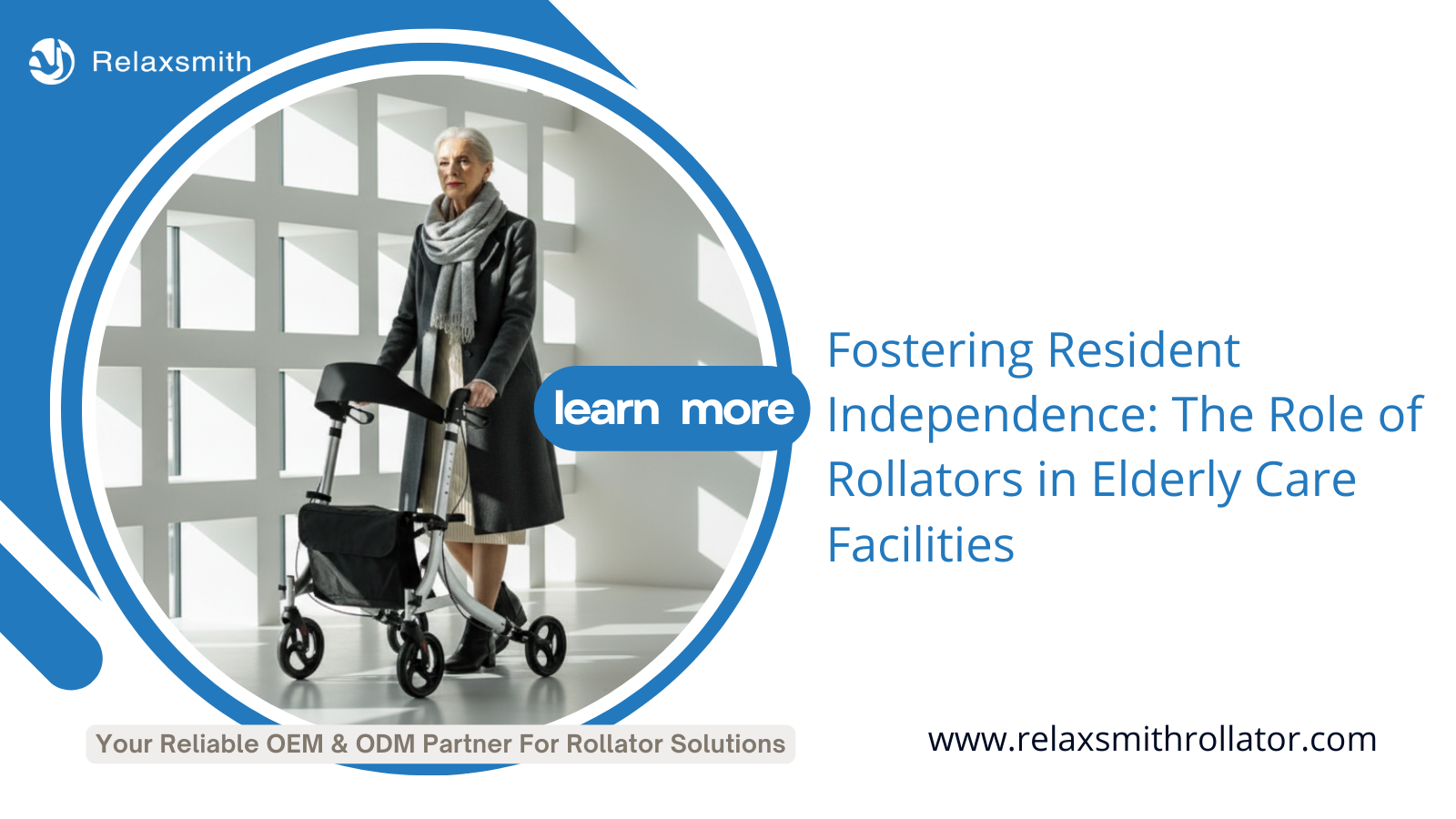
Rollators are one of the most effective mobility aids in helping elderly residents maintain autonomy. They provide the necessary support for walking, reducing the risk of falls and enhancing residents' ability to move around freely within their living spaces. In addition, rollators allow residents to engage in daily activities such as socializing, running errands, and enjoying outdoor activities, without the constant need for assistance.
Factors to Consider in Rollator Procurement
Customization — Ensuring that rollators are adaptable to individual needs, such as adjustable heights and comfortable grips, is essential for supporting independence.
Ease of Use — Rollators should be simple to operate, with intuitive braking systems and lightweight frames, enabling residents to confidently use them without assistance.
Durability and Safety Features — Rollators must be durable enough to support residents and come equipped with safety features such as non-slip wheels and stable frames to ensure safe mobility.
Comfort — Features such as padded seats, adjustable armrests, and ergonomic handles help ensure that rollators are comfortable to use over long periods of time.
Procurement Strategies for Promoting Resident Independence
Effective rollator procurement is critical to ensuring that care facilities provide the right solutions for resident mobility. Strategies should focus on purchasing high-quality, durable rollators that support independence while being easy to maintain and adaptable to the facility's needs. Some procurement models that support autonomy include:
Bulk Purchasing — Facilities may save costs by purchasing rollators in bulk, ensuring that they are well-equipped to meet the mobility needs of all residents while optimizing budget efficiency.
Long-Term Investment — Choosing long-lasting rollators that require minimal maintenance ensures that facilities can focus on other aspects of care while providing reliable mobility support.
Subscription Models — Subscription-based procurement models allow facilities to upgrade rollators as technology advances, ensuring that they always have the most effective mobility aids available.
Case Study: Successful Rollator Deployment
One elderly care facility introduced a comprehensive rollator procurement strategy focused on enhancing resident independence. The facility implemented a range of rollators with adjustable features, ergonomic designs, and durable materials. The results were striking: residents reported improved mobility, increased independence in daily activities, and higher satisfaction with the overall care environment.
Conclusion: Prioritizing Independence in Rollator Procurement
By prioritizing resident independence in rollator procurement, elderly care facilities can provide their residents with the tools to maintain autonomy and improve their quality of life. Investing in high-quality, personalized mobility aids not only supports resident health and satisfaction but also enhances operational efficiency by reducing staff intervention. Moving forward, facilities should focus on adapting procurement models to meet the evolving needs of their residents, ensuring that independence remains a cornerstone of care delivery.