





Future Trends: Innovations in Lifestyle-Focused Rollator Procurement
The future of institutional procurement is increasingly lifestyle-focused rollator procurement, with rollators tailored to evolving resident expectations. This article examines how emerging trends and innovations are reshaping procurement priorities for product managers and decision makers.
Technological Advancements Shaping the Future
Lifestyle-focused rollator procurement is rapidly advancing through the integration of new technologies. Smart sensors, app connectivity, and telehealth integration are becoming standard in next-generation rollators. Institutions are seeking products that go beyond mobility, offering health tracking, fall detection, and real-time communication features.
Design Innovations and Personalization
Modular Configurations — Rollators are being designed for easy component swaps, adapting to user needs and facility requirements.
Ergonomic Enhancements — Focus on comfort, intuitive controls, and improved posture support for daily use.
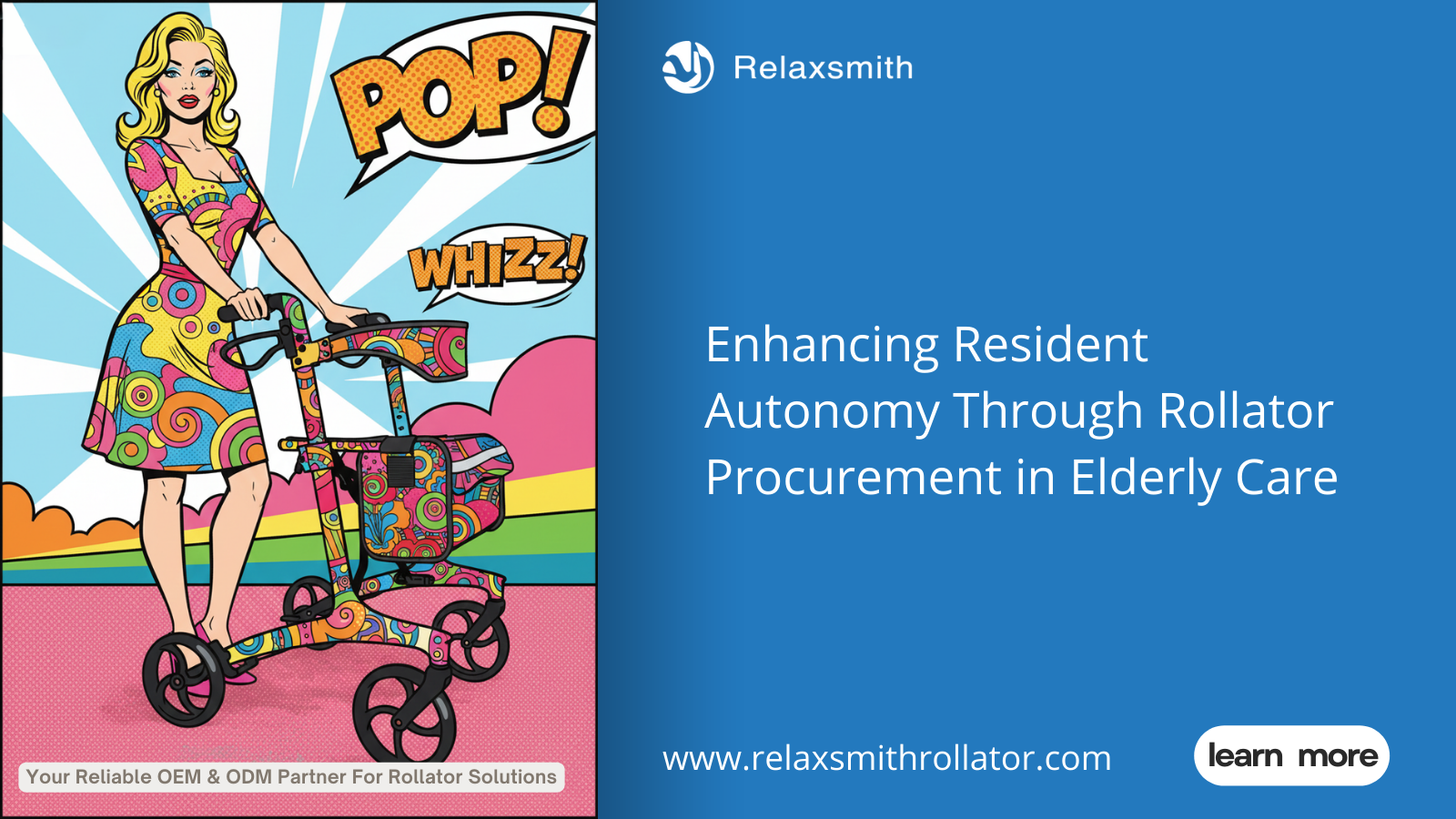
Aesthetic Diversity — Wider color palettes and less clinical styling help reduce stigma and foster user pride in mobility aids.
Procurement Models for the Future
Forward-thinking institutions are experimenting with flexible procurement models, such as subscription-based supply, device leasing, and collaborative product development. These approaches support agile responses to changing needs and speed up access to the latest lifestyle-focused rollator procurement solutions.
Wellness Integration and Preventive Care
Lifestyle-focused rollator procurement increasingly incorporates wellness features—activity reminders, hydration alerts, and mental health support—aligning with holistic care priorities. Procurement managers are prioritizing solutions that integrate with broader health and wellness programs, amplifying their institutional impact.
Environmental Sustainability and Social Responsibility
Eco-Friendly Materials — Institutions are choosing rollators made from recycled or sustainable materials.
Lifecycle Management — Emphasis on durability, upgradeability, and responsible end-of-life recycling in procurement specifications.
Community Engagement — Sourcing from ethical suppliers and promoting inclusion in product design and selection.
Looking Ahead: Strategies for Decision Makers
Decision makers must stay abreast of trends by attending industry conferences, collaborating with innovators, and regularly updating procurement policies. Focusing on lifestyle-focused rollator procurement ensures institutions remain competitive, resident-centric, and prepared for future challenges in care delivery.



