





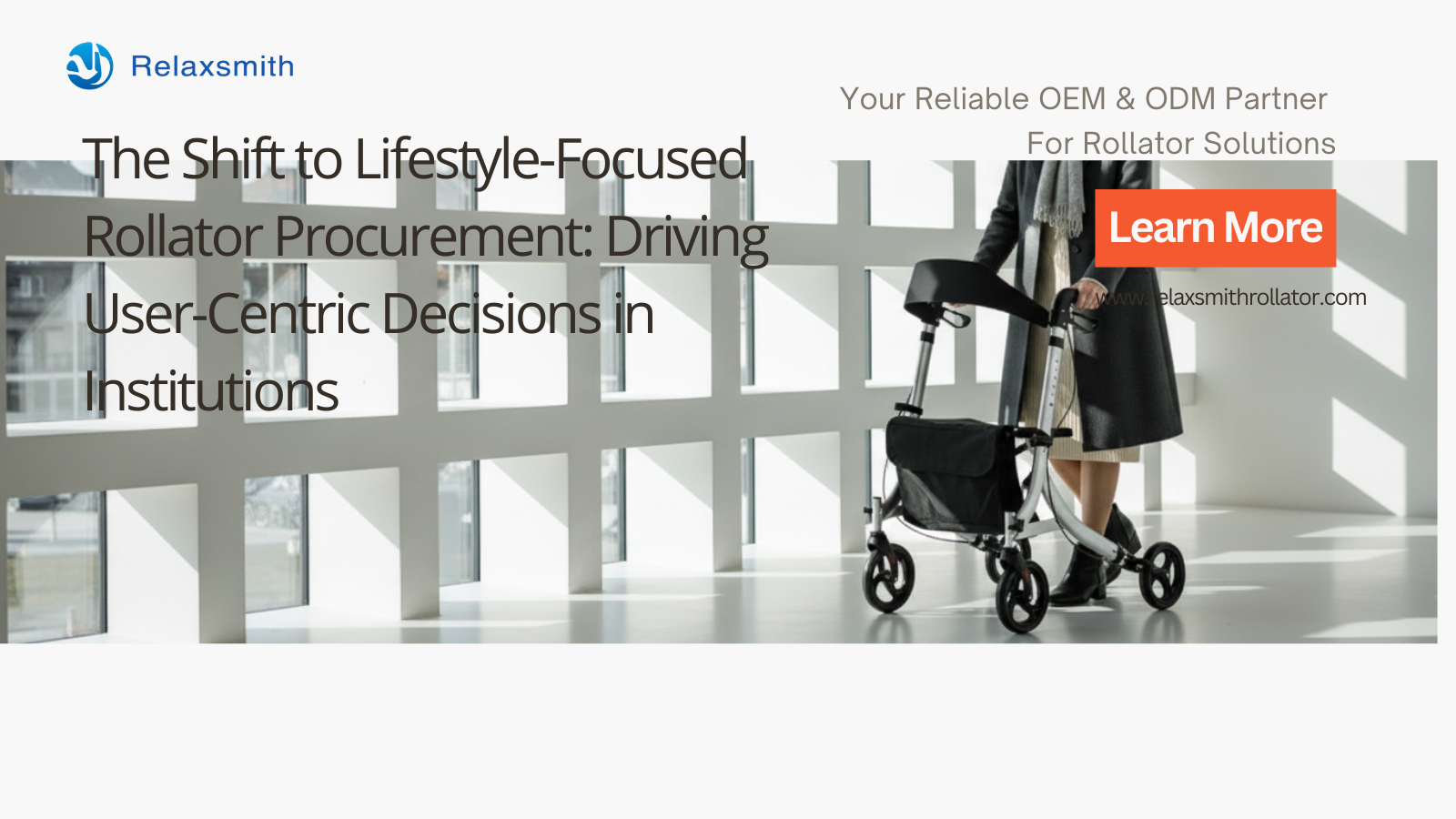
The Shift to Lifestyle-Focused Rollator Procurement: Driving User-Centric Decisions in Institutions
In institutional procurement, the focus is shifting toward lifestyle-focused rollator procurement. This article explores the primary drivers and benefits of this trend for care facilities and professional buyers seeking user-centric mobility solutions.
Understanding the Rise of Lifestyle-Focused Rollator Procurement
The demand for mobility solutions that reflect users’ actual routines, independence goals, and comfort has never been higher. Lifestyle-focused rollator procurement means moving beyond generic equipment toward products that genuinely support seniors’ and patients’ desired lifestyles. The shift is driven by the recognition that wellbeing, dignity, and personalized activity are as important as safety and durability in institutional settings.
Key Benefits for Care Institutions and Professional Buyers
User Satisfaction and Engagement — Rollators designed for individual lifestyles increase adoption rates and active participation in daily life.
Improved Health Outcomes — Encouraging mobility in line with users’ real preferences reduces falls, boosts recovery, and maintains functional independence.
Reputation and Differentiation — Institutions known for lifestyle-focused rollator procurement set themselves apart in a competitive market, attracting more residents and positive reviews.
Procurement Considerations: What to Look for in Lifestyle-Focused Rollators
To achieve successful lifestyle-focused rollator procurement, institutions must evaluate:
Adjustability for various heights, weights, and walking styles.
Attractive, non-clinical aesthetics to reduce stigma and encourage use.
Integrated accessories that support hobbies, social engagement, or outdoor activities.
Flexible braking, folding, and transport options for diverse environments.
Challenges and Solutions in Adopting a Lifestyle-Focused Approach
Budget Alignment — Higher initial costs may be offset by reduced injury rates and long-term care needs.
Staff Training — Educate staff to understand the features and value of lifestyle-focused rollators, ensuring appropriate recommendations for users.
Change Management — Foster a culture that values choice, personalization, and innovation throughout the procurement process.
Future Trends and Institutional Priorities
Looking ahead, institutions that prioritize lifestyle-focused rollator procurement will benefit from improved user experiences and operational outcomes. The trend is likely to accelerate as more products combine technology, customization, and wellness integration. Decision-makers should build strong supplier partnerships and regularly review user feedback to ensure their offerings keep pace with evolving expectations.