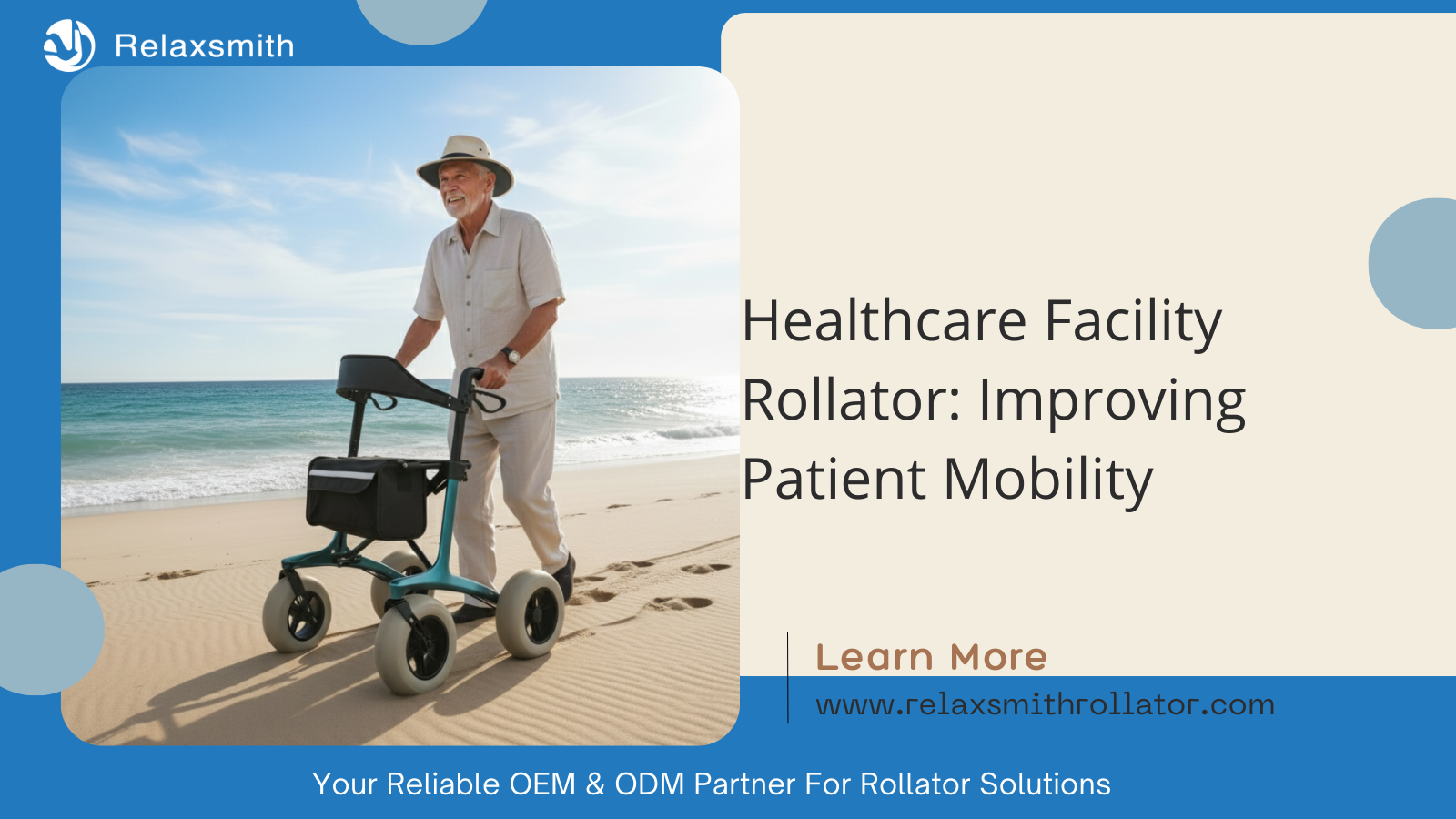
Healthcare Facility Rollator: Improving Patient Mobility
Healthcare facilities and elderly care homes face numerous challenges when it comes to providing the best mobility aids for their patients. Rollators play a crucial role in helping patients regain mobility, independence, and safety. This article discusses the importance of selecting the right rollator for healthcare facilities, focusing on factors that contribute to patient mobility and overall well-being.
1. Understanding the Role of Rollators in Healthcare
Rollators are mobility aids designed to support patients who have difficulty walking or balancing. They are equipped with wheels, a seat, and brakes, making them an ideal choice for elderly individuals who need assistance while maintaining their independence. In healthcare facilities, rollators help patients move freely, reducing the risk of falls and enhancing mobility.
Key Features of Healthcare Facility Rollators:
Four-wheel design for stability and easy maneuverability
Built-in seat for resting during long walks
Hand brakes for better control and safety
2. Selecting the Right Rollator for Healthcare Facilities
When selecting rollators for healthcare facilities, it is essential to consider several factors to ensure that the chosen model meets the needs of the patients. Factors such as weight capacity, adjustability, durability, and ease of use are key considerations. Moreover, healthcare professionals should assess the unique needs of patients, such as their mobility challenges and physical conditions.
Key Selection Criteria:
Weight capacity and size options
Adjustable height and ergonomic design
Durability and easy maintenance
Affordability and cost-effectiveness
3. Enhancing Patient Mobility with Healthcare Rollators
Rollators are essential tools in improving patient mobility, especially in healthcare facilities. These aids provide stability, support, and comfort, allowing patients to regain their confidence and independence. Whether in hospitals, nursing homes, or rehabilitation centers, rollators enable patients to move safely and with ease, reducing the need for constant caregiver assistance.
Benefits for Patient Mobility:
Allows patients to move independently and safely
Enhances balance and stability during walking
Promotes physical activity and rehabilitation
4. Rollators and Patient Rehabilitation
In rehabilitation settings, rollators are often prescribed to patients recovering from surgery, injury, or illness. These devices help patients regain mobility and independence during the recovery process, offering stability and support while they work on regaining strength and endurance. Rollators also reduce the risk of falls, making them an essential part of rehabilitation programs.
Rehabilitation Benefits:
Supports gradual weight-bearing during recovery
Reduces strain on joints and muscles
Encourages regular physical activity for recovery
5. Cost Considerations for Healthcare Facility Rollators
When procuring rollators for healthcare facilities, cost considerations play a significant role. While it is important to select high-quality rollators, healthcare managers must also consider their budget and the long-term value of the investment. A well-planned procurement strategy ensures that the rollators selected will provide lasting benefits without compromising patient care.
Cost Considerations:
Evaluate cost-effectiveness and durability
Consider long-term investment in patient care
Compare prices from different suppliers
SEO Keywords
healthcare facility rollator
healthcare facility rollator
healthcare facility rollator
healthcare facility rollator
healthcare facility rollator
healthcare facility rollator
healthcare facility rollator
healthcare facility rollator
healthcare facility rollator
healthcare facility rollator
healthcare facility rollator
healthcare facility rollator
healthcare facility rollator
healthcare facility rollator
healthcare facility rollator
healthcare facility rollator
healthcare facility rollator
healthcare facility rollator
healthcare facility rollator
For more details, please visit: www.relaxsmithrollator.com