Optimizing Rollator Procurement for Enhanced Mobility in Healthcare
Rollators are essential for enhancing mobility and improving comfort for patients in healthcare settings. This article explores key factors to consider when optimizing the procurement of rollators, ensuring they meet the needs of patients while contributing to improved patient care, independence, and well-being.
1. Understanding the Role of Rollators in Healthcare Environments
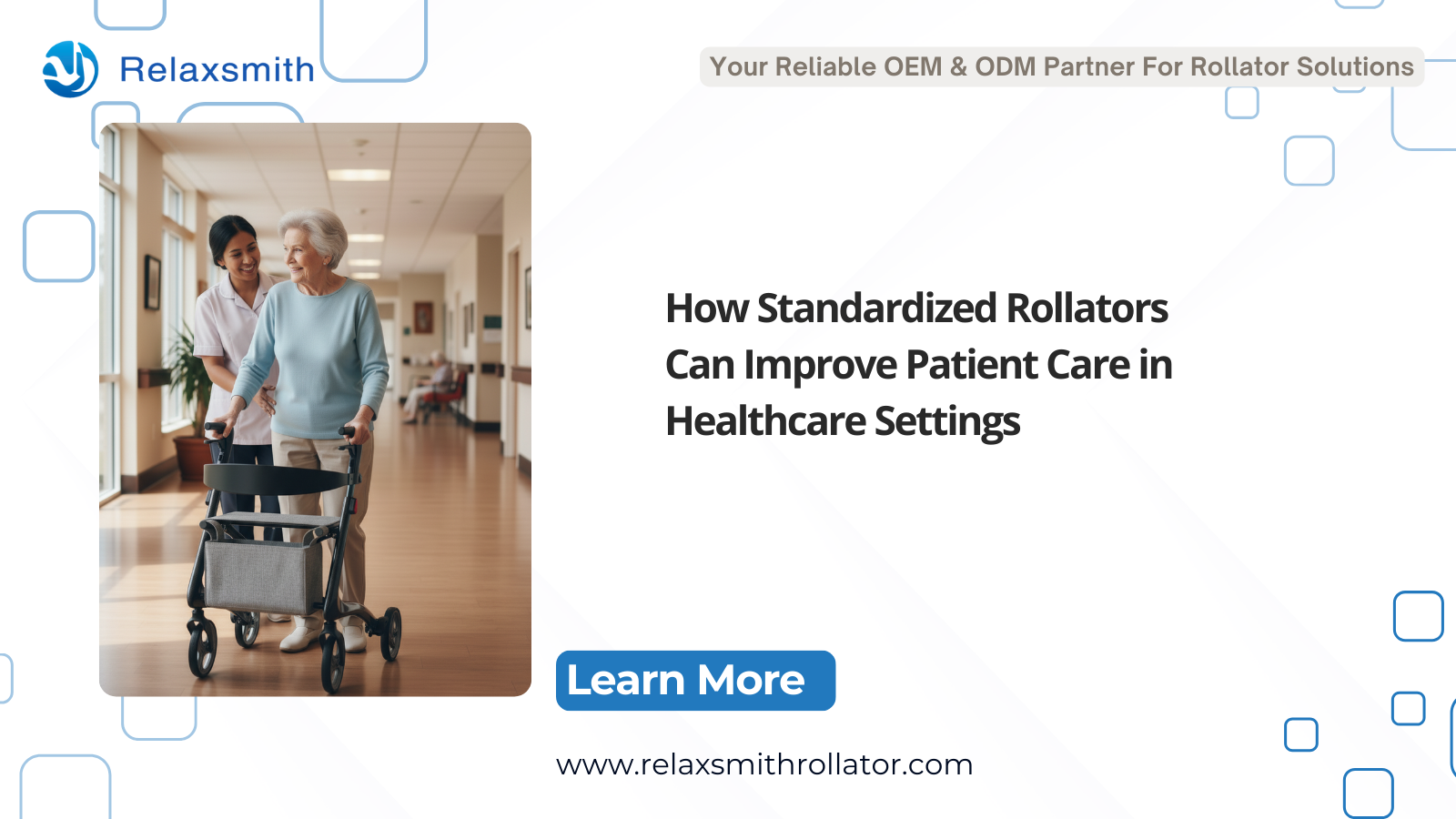
Rollators provide critical support and stability for patients with mobility impairments. In healthcare settings, they are instrumental in improving patient mobility, reducing the risk of falls, and increasing overall comfort. With advanced features such as shock absorption and ergonomic designs, rollators help patients regain confidence in their ability to move independently.
Benefits of Rollators in Healthcare:
Improved mobility and balance
Reduced fall risk and increased safety
Enhanced patient independence
Comfortable walking experience on various terrains
2. Key Features to Evaluate When Procuring Rollators
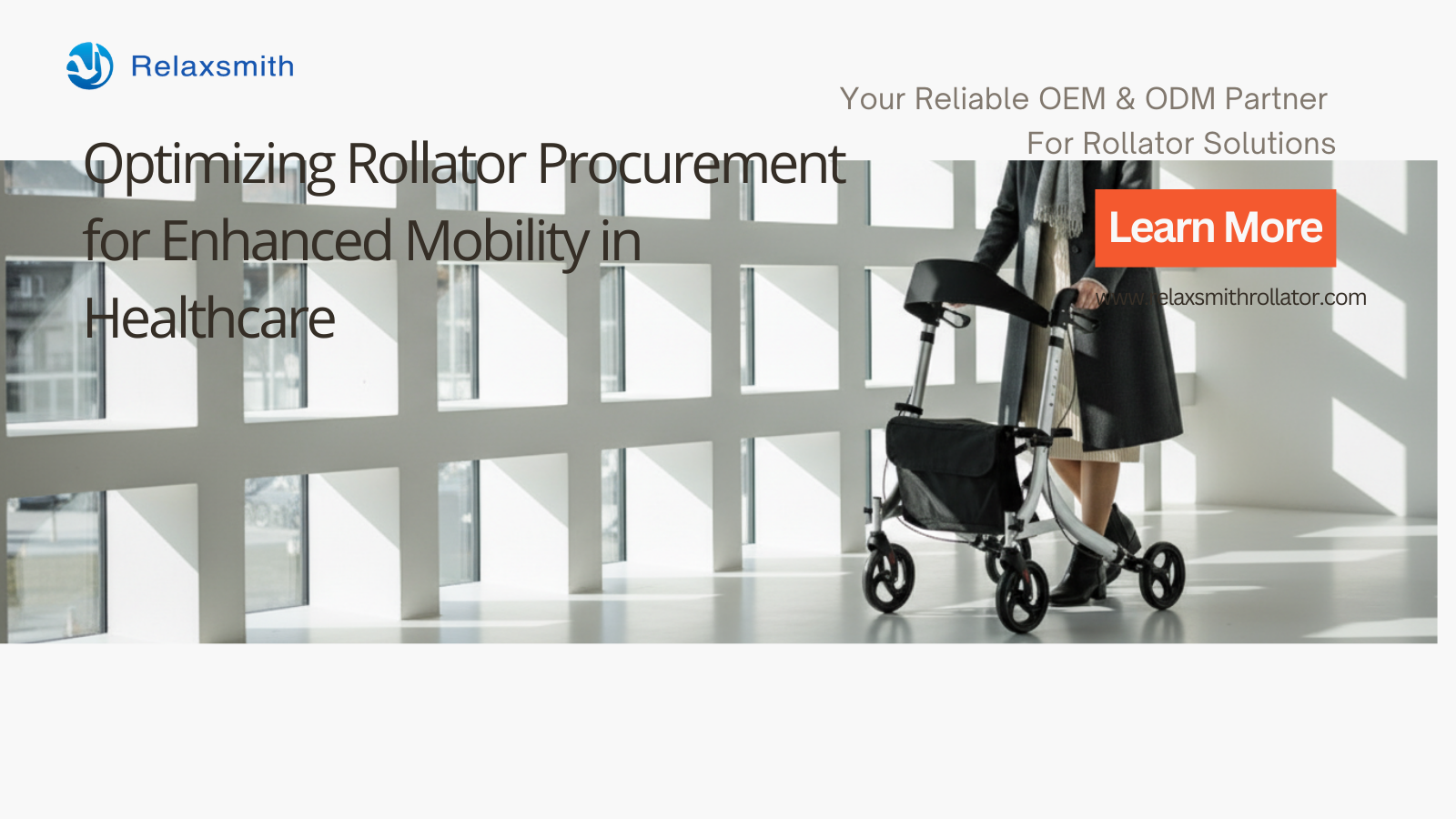
When procuring rollators for healthcare environments, it is essential to evaluate specific features that contribute to patient comfort and mobility. Considerations include adjustable handles, shock-absorbing suspension systems, lightweight frames, and durable wheels. These features ensure that the rollators are effective and comfortable for patients to use during rehabilitation and daily activities.
Key Features to Look For:
Shock-absorbing suspension for smoother movement
Adjustable handles and seating for patient comfort
Lightweight and durable design for easy maneuverability
Large, sturdy wheels for stability on uneven surfaces
3. Cost and Value Considerations in Rollator Procurement
While the initial cost of rollators may vary, it is important to evaluate their long-term value. A cost-benefit analysis should consider factors such as durability, maintenance, and the potential benefits to patient care. Higher-quality rollators may come with a higher upfront cost, but the investment can lead to better patient outcomes, reduced fall risks, and long-term savings in maintenance and repair costs.
Cost and Value Considerations:
Initial cost versus long-term durability and functionality
Maintenance and repair expenses
Warranty and after-sales support
Improved patient outcomes and cost savings in the long term
4. Procurement Strategies for Healthcare Facilities
Healthcare providers should take a strategic approach when procuring rollators. It is essential to align procurement decisions with the healthcare facility's goals and patient needs. By focusing on quality, durability, and cost-effectiveness, facilities can ensure that they are investing in rollators that will provide long-term benefits for both patients and caregivers.
Procurement Strategies:
Align procurement decisions with patient care and mobility goals
Evaluate the total cost of ownership, including maintenance
Review product warranties and support services
Ensure compatibility with facility needs and patient population
5. Impact of Rollators on Patient Independence and Quality of Life
One of the key benefits of using rollators is the improvement in patient independence. By enabling patients to walk independently and safely, rollators reduce reliance on caregivers, allowing patients to maintain their autonomy and dignity. This increased independence can also improve a patient's mental and emotional well-being, as it boosts their confidence and reduces feelings of isolation.
Impact on Patient Independence:
Increased self-sufficiency in daily activities
Improved mental and emotional well-being
Reduced reliance on caregivers for mobility
SEO Keywords
suspension rollator procurement
patient comfort with rollators
mobility solutions for elderly care
shock-absorbing rollators
affordable rollators for senior care
adjustable rollators for healthcare
rollators for rehabilitation
reliable rollator suppliers
cost-effective rollators
reliable healthcare procurement strategies
mobility aids for elderly patients
durable rollators for senior care
mobility support in healthcare
rollator procurement for senior care facilities
improving patient independence with rollators
rollator features for elderly care
ergonomic rollators for comfort
reliable mobility aids for senior care
mobility aids for rehabilitation centers
fall prevention with rollators
rollator safety features
mobility aids procurement for healthcare
mobility solutions for rehabilitation
patient-centered rollator selection
rollator performance evaluation
rollator pricing evaluation
best rollators for mobility support
rollator design for patient comfort
mobility support for seniors
advanced suspension rollators
long-term rollator investment
rollator safety for senior care
cost-effective procurement of rollators
improving mobility for elderly patients
patient-centered rehabilitation tools
For more details, please visit: www.relaxsmithrollator.com