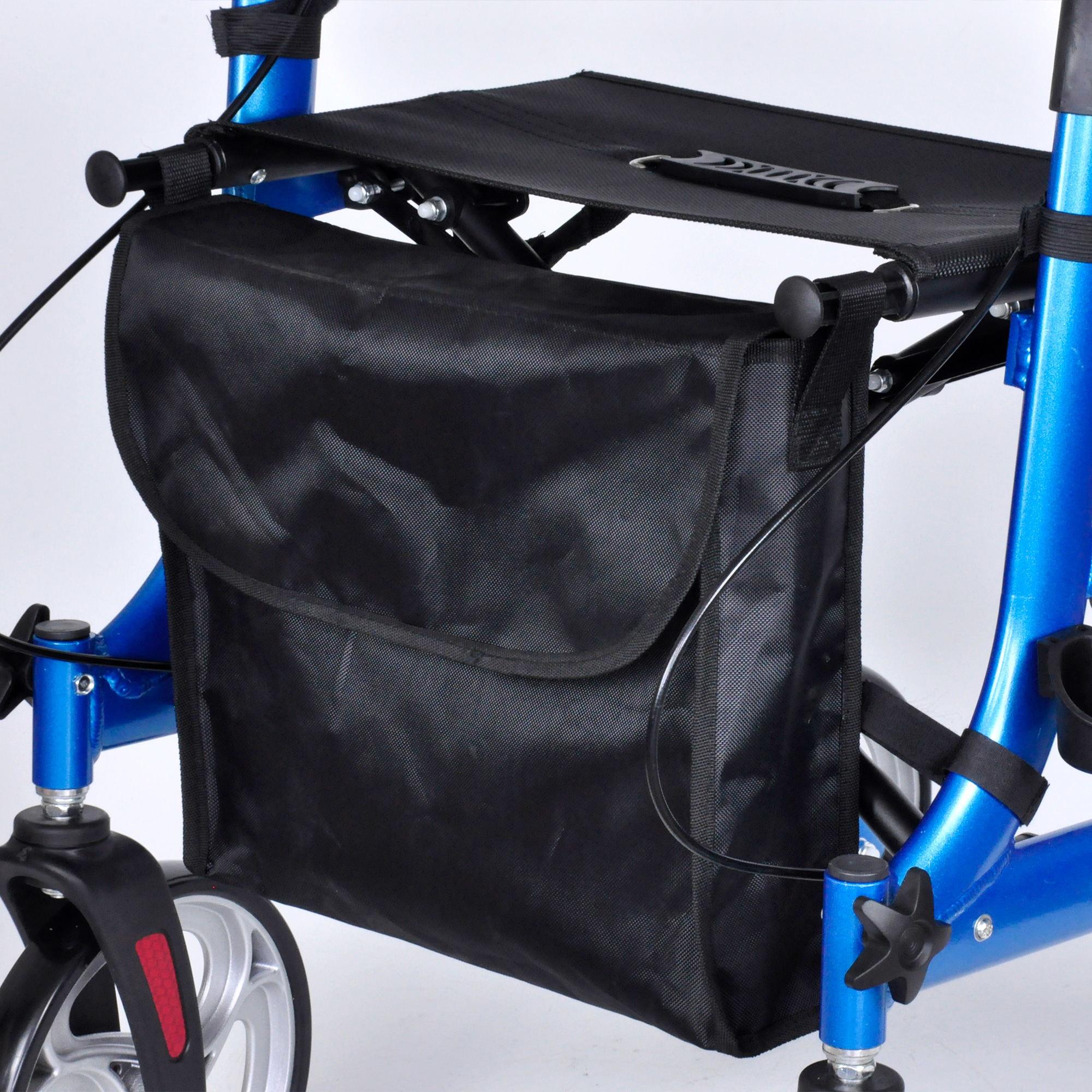
Improving Walker Allocation in Rehabilitation Centers through Effective Procurement Strategies
Efficient walker allocation is vital to ensuring that patients in rehabilitation centers receive the support they need to regain mobility and independence. However, procurement processes that lack efficiency and clear strategies can lead to delayed access to walkers, or inadequate allocation. This article explores how rehabilitation centers can improve walker allocation through effective procurement strategies and allocation systems.
1. Understanding Patient Needs in Walker Allocation
The first step in improving walker allocation is understanding the diverse needs of patients. Rehabilitation centers must ensure that procurement strategies prioritize individualized care by selecting walkers that match patients’ specific mobility requirements. Factors such as weight, height, balance, and the environment in which the walker will be used must be considered. Different types of walkers serve different needs, and the right walker can make a significant difference in patient recovery and independence.
2. Developing Standardized Procurement Criteria
To improve walker allocation, rehabilitation centers should establish standardized procurement criteria that take into account patient needs, walker functionality, and cost-effectiveness. These criteria should include considerations such as walker adjustability, ease of use, weight capacity, and specific features like ergonomic handles or adjustable seat heights. A standardized procurement process ensures that rehabilitation centers are making well-informed, consistent decisions when acquiring walkers for patient use.
3. Leveraging Technology for Efficient Procurement
Using technology to streamline the procurement process can significantly improve walker allocation. Digital platforms can help rehabilitation centers manage orders, track inventory, and communicate with suppliers more effectively. Automated ordering systems can reduce errors, prevent overstocking or understocking, and ensure that the right walkers are available when needed. Technology can also help track the performance of walkers, ensuring that procurement teams are selecting the most effective models for their patients.
4. Collaborating with Suppliers for Better Allocation
Building strong relationships with suppliers is essential for ensuring that rehabilitation centers can access the walkers they need when required. Regular communication with suppliers can help rehabilitation centers stay updated on the latest walker models, availability, and pricing. Furthermore, suppliers can offer valuable insights on new technologies and innovations that may benefit patients. By collaborating with suppliers, rehabilitation centers can improve the speed and quality of their procurement process.
5. Continuous Improvement through Feedback and Data
Rehabilitation centers should continually assess their walker allocation and procurement processes to identify areas for improvement. Feedback from patients, clinicians, and suppliers should be integrated into the procurement process. This feedback can help procurement teams understand which walker models provide the most benefit to patients and highlight any areas for improvement. Data analysis, such as tracking patient satisfaction and walker performance, can also help refine procurement strategies over time.
For more details, please visit: www.relaxsmithrollator.com