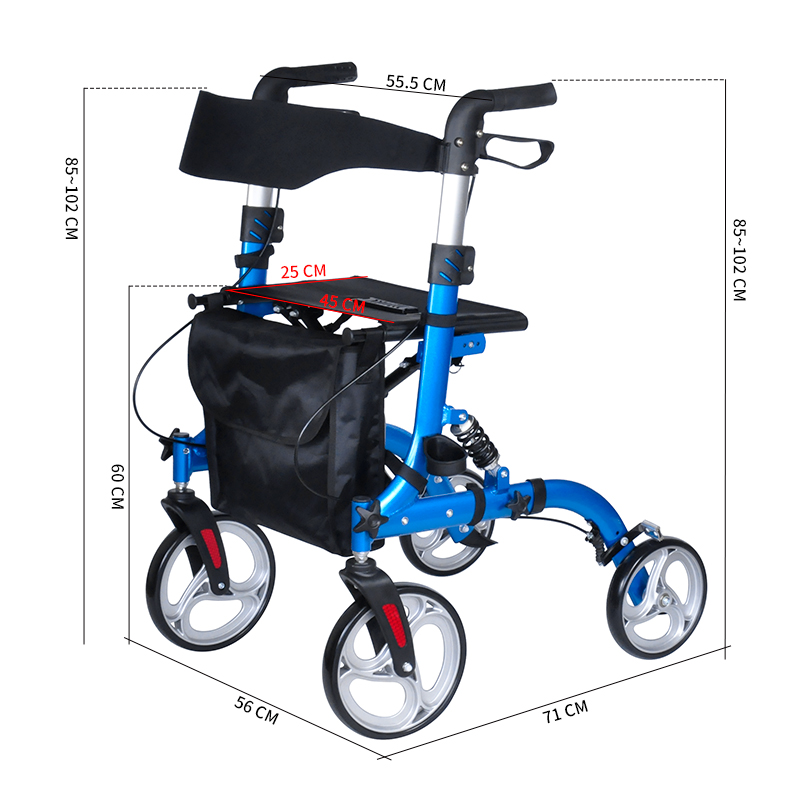
Measuring Success and Continuously Improving Walker Procurement in Rehabilitation Centers
Measuring the success of walker procurement in rehabilitation centers is vital to ensuring that the selected equipment truly meets patient needs and improves mobility outcomes. By analyzing procurement performance and gathering feedback from patients and clinicians, rehabilitation centers can continuously refine their procurement strategies. This article discusses how rehabilitation centers can measure the effectiveness of their walker procurement and make ongoing improvements to ensure optimal patient outcomes.
1. Defining Success Metrics for Walker Procurement
To measure the success of walker procurement, rehabilitation centers need to define clear, measurable success metrics. These metrics should be based on patient mobility outcomes, safety, comfort, and overall satisfaction. Some key success metrics include:
- Reduction in patient falls or injuries associated with walker use
- Improvement in patient mobility and independence
- Patient satisfaction with the walker’s comfort, design, and usability
- Frequency of walker usage and adherence to prescribed usage
By establishing success metrics at the outset, rehabilitation centers can track the effectiveness of their procurement decisions and adjust as necessary to ensure positive patient outcomes.
2. Collecting and Analyzing Patient and Clinician Feedback
Feedback from both patients and clinicians is critical to assessing the effectiveness of walker procurement. Patient surveys, follow-up interviews, and clinician input can provide valuable insights into whether walkers are meeting patient needs and improving mobility. This feedback should be collected regularly to track changes in patient satisfaction and mobility improvements over time.
Clinicians, in particular, can provide insights into how well walkers are supporting patient rehabilitation and recovery. They can also identify any issues, such as discomfort or lack of stability, which may require adjustments to procurement criteria.
3. Evaluating Walker Performance and Effectiveness
Evaluating the performance of walkers is essential to measuring procurement success. This can be done by tracking key performance indicators (KPIs) such as the rate of falls, the distance patients can walk with the walker, and the level of patient independence. Data on walker durability and repair frequency can also be tracked to assess the quality of the selected walkers.
Procurement teams should use performance data to identify trends and patterns, such as which types of walkers lead to better patient outcomes or which features contribute most to patient mobility and safety.
4. Continuous Improvement through Data and Feedback Integration
Continuous improvement is key to maintaining an effective walker procurement process. Rehabilitation centers should use data from previous procurement cycles to inform future decisions. This includes reviewing patient feedback, performance data, and clinician insights to identify areas for improvement.
By integrating data and feedback into the procurement process, rehabilitation centers can continuously refine their criteria and strategies. For example, if a particular type of walker is frequently associated with patient falls, the procurement team can prioritize alternative walker models that offer enhanced stability or better support.
5. Long-Term Benefits of Measuring Procurement Success
Measuring and improving the success of walker procurement brings long-term benefits for both rehabilitation centers and patients. By ensuring that walkers are selected based on patient outcomes, rehabilitation centers can improve patient mobility, safety, and independence. Furthermore, ongoing improvements to procurement processes help reduce costs, minimize the risk of errors, and optimize patient care.
For more details, please visit: www.relaxsmithrollator.com