Integrating Procurement ROI Analysis with Medical Walker Selection for Enhanced Operational Efficiency
1. Aligning Medical Walker Procurement with Organizational Goals
Organizations seeking to maximize procurement ROI medical walker must ensure that product selection is strategically aligned with both clinical objectives and broader operational efficiency targets. The process of choosing medical walkers should not be isolated to cost consideration but must incorporate user needs, facility workflows, and patient outcomes for optimal value realization.
1.1 Stakeholder Collaboration
Effective procurement teams facilitate cross-departmental collaboration, bringing together supply chain specialists, clinicians, and finance leaders to establish ROI-driven criteria for walker selection. Procurement ROI medical walker can be optimized by balancing cost, quality, and end-user feedback.
2. Customizing Medical Walker Features for Diverse Patient Needs
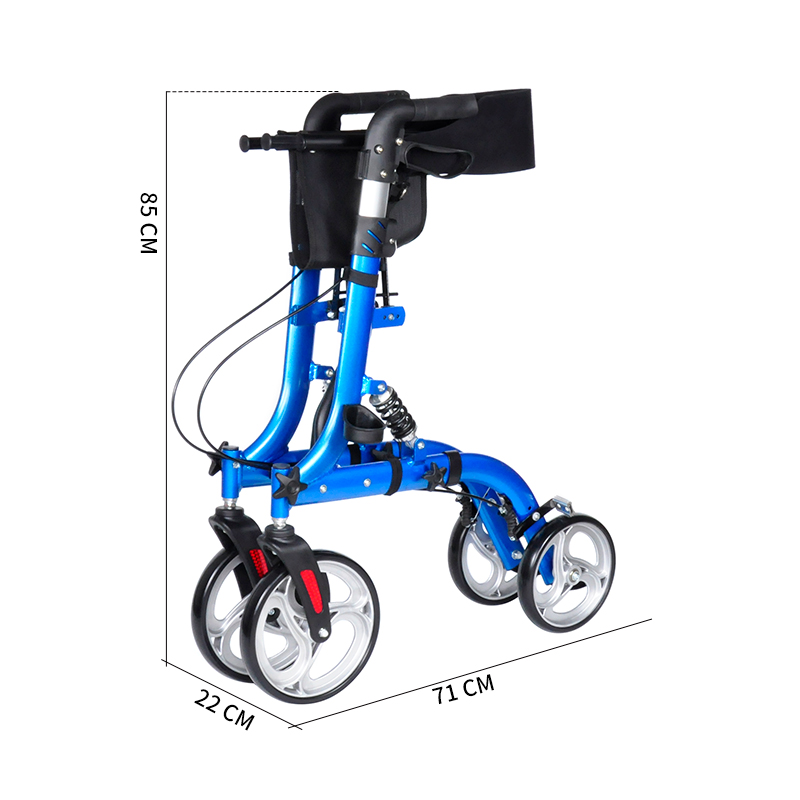
Procurement ROI medical walker is significantly impacted by how well the selected models fit the specific needs of the patient population. Customization options, such as adjustable handles, different wheel sizes, and accessories for safety or convenience, directly influence the long-term usability and satisfaction of both patients and care teams.
Evaluating walker adaptability for rehabilitation versus long-term care
Matching features to typical patient diagnoses and mobility requirements
Ensuring compliance with relevant safety standards
3. Leveraging Data to Support Procurement ROI Decisions
Advanced procurement strategies utilize clinical and financial data to guide product selection and measure ROI. Procurement teams benefit from ongoing access to usage metrics, maintenance records, and patient feedback to validate and refine their purchasing decisions.
Tracking maintenance incidents and downtime
Correlating walker use with patient discharge rates
Integrating procurement data with electronic health records
4. Total Cost of Ownership: A Foundation for Procurement ROI
Beyond purchase price, the total cost of ownership (TCO) model enables teams to forecast all direct and indirect costs associated with medical walkers throughout their lifecycle. This method underpins a data-driven approach to maximizing procurement ROI medical walker, reducing the risk of unforeseen expenses and improving budgetary accuracy.
4.1 Reducing TCO Through Smart Procurement
Negotiating long-term maintenance contracts
Selecting models with lower repair frequency and greater parts availability
Implementing proactive staff training to reduce misuse and damage
5. Enhancing Patient Outcomes and Efficiency Metrics
The ultimate measure of procurement ROI medical walker is the improvement in both operational metrics and patient care. Walker models that contribute to faster rehabilitation, fewer injuries, and increased independence yield measurable returns for healthcare providers and their patients alike.
Tags
Procurement ROI, Medical Walker, Operational Efficiency, Total Cost of Ownership, Customization, Healthcare Procurement, Walker Features, Rehabilitation Equipment, Patient Satisfaction, Maintenance Management
SEO Keywords
Procurement ROI medical walker, total cost of ownership, operational efficiency, walker customization, healthcare equipment ROI, patient outcome metrics, supply chain strategy, medical device procurement, walker maintenance, procurement data analytics