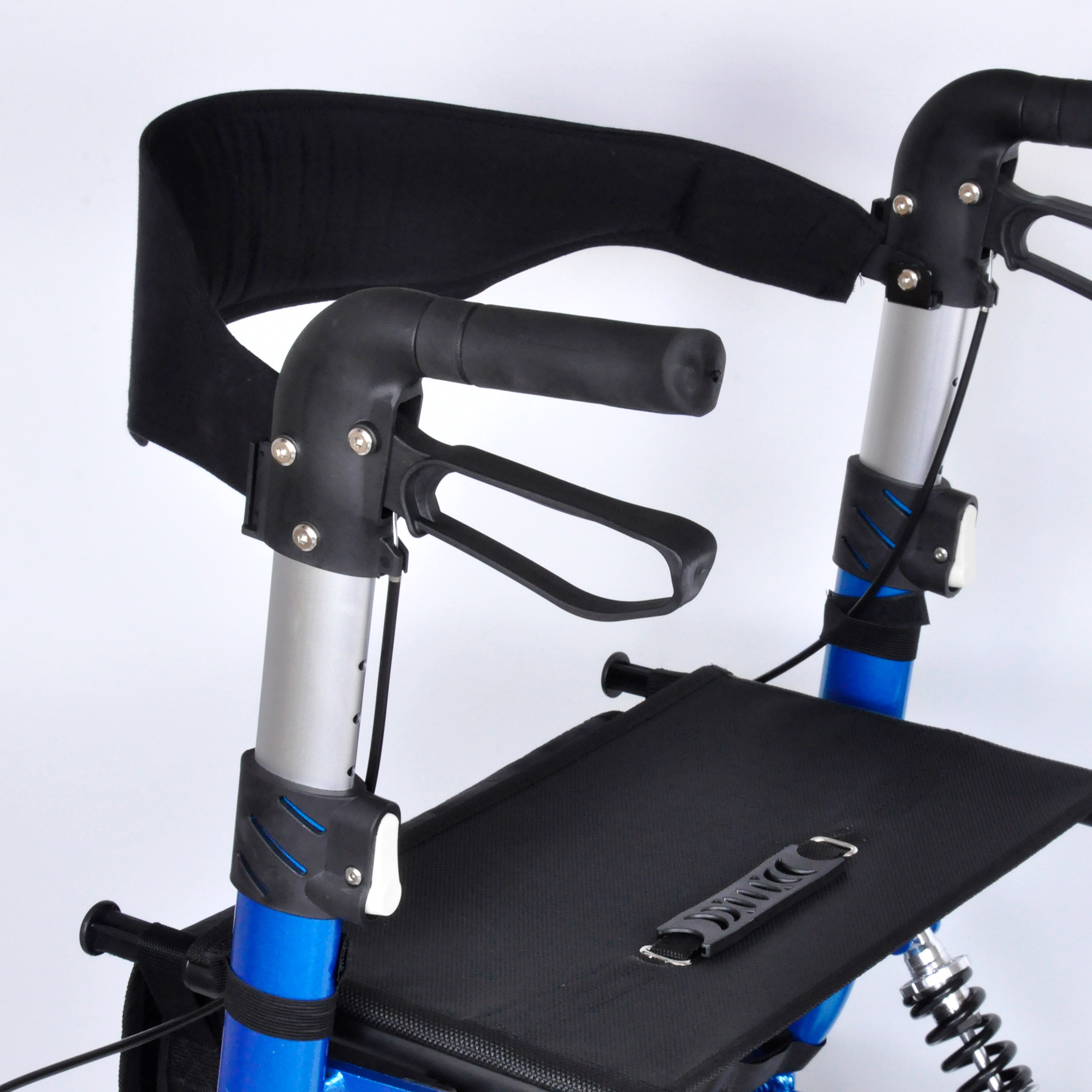
Sustainability Requirements in European Procurement: The Environmental Value of Medical Walkers Across Materials, Manufacturing, and End-of-Life
1. The European Sustainability Mandate for Medical Procurement
Procurement sustainability medical walker is now a central theme in public and private healthcare acquisitions throughout Europe. Regulatory bodies, including the European Commission and national health authorities, set increasingly strict requirements for the environmental impact of medical equipment, with medical walkers being no exception. Understanding and complying with these mandates is critical for procurement professionals seeking to maximize both compliance and value.
1.1 Key Sustainability Regulations
EU Green Public Procurement (GPP) Criteria
EcoDesign Directive and RoHS (Restriction of Hazardous Substances)
Extended Producer Responsibility (EPR) for medical devices
2. Material Selection: Environmental and Health Considerations
One of the most significant levers for procurement sustainability medical walker is the choice of raw materials. Sustainable procurement policies prioritize:
Recyclable and biodegradable materials
Minimized use of toxic or hazardous substances
Transparency in sourcing (chain of custody documentation)
2.1 Comparing Common Materials
Aluminum: Lightweight, highly recyclable, but energy-intensive to produce
Steel: Durable and recyclable, with a higher environmental footprint
Composites: Offer performance advantages, but recycling can be complex
3. Manufacturing Processes and Supply Chain Sustainability
To achieve procurement sustainability medical walker, procurement teams must evaluate suppliers based on their environmental management systems, energy consumption, and waste reduction initiatives:
ISO 14001 environmental certification
Life cycle assessment (LCA) reporting
Supplier transparency and continuous improvement programs
4. End-of-Life Strategies: Closing the Sustainability Loop
The end-of-life phase offers some of the most significant opportunities for reducing the environmental impact of medical walkers. Best practices include:
Designing for disassembly and recycling
Take-back schemes or donation programs
Documentation for responsible disposal
5. Real-World Examples: European Leaders in Sustainable Medical Walker Procurement
Case 1: A German hospital group mandates recycled content and EPR compliance in all walker purchases, reducing waste and carbon footprint.
Case 2: A Scandinavian public healthcare network evaluates suppliers based on ISO 14001 and LCA disclosures, driving continuous environmental improvement.
Tags
Procurement sustainability, Medical walker, European procurement, EcoDesign, Lifecycle assessment, Recyclable materials, Green public procurement, Sustainable supply chain, End-of-life management, Environmental compliance
SEO Keywords
Procurement sustainability medical walker, sustainable procurement Europe, eco-friendly medical device, recyclable medical walker, European GPP, supply chain sustainability, environmental healthcare procurement, green hospital initiatives, lifecycle medical walker, end-of-life equipment