





Integrating User Feedback into Hospital Procurement of Mobility Equipment
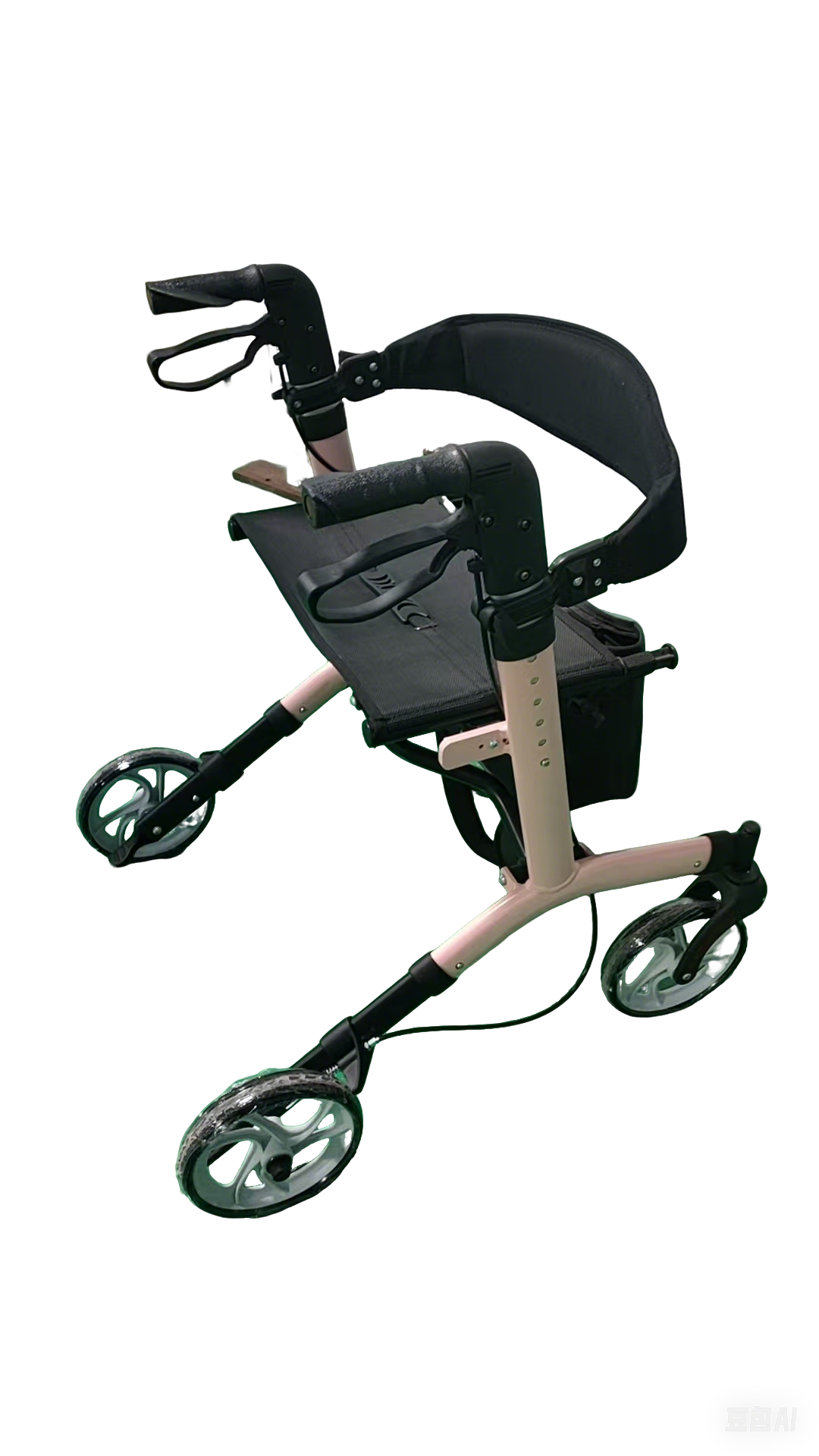
For hospital procurement professionals, product managers, and supply chain leaders, the value of direct user feedback cannot be overstated when sourcing mobility walkers. Incorporating input from clinicians, patients, and facility staff ensures that purchases meet practical needs, optimize workflows, and minimize the total cost of ownership.
The Value of User Feedback
User feedback provides insight into real-world challenges, preferences, and safety concerns. Hospitals that actively collect and integrate this data during procurement are better equipped to select mobility walkers that deliver sustained value and improved patient outcomes.
Key Dimensions of User Feedback
1. Clinical Performance
Clinicians offer firsthand knowledge on maneuverability, stability, and ease of adjustment. This data helps procurement teams identify which models excel in daily use and patient support.
2. Patient Experience
Patient satisfaction is linked to comfort, perceived safety, and accessibility of mobility walkers. Hospitals can conduct user surveys or pilot programs to gather relevant data for purchasing decisions.
3. Maintenance and Support
Facility staff can highlight recurring repair issues, parts availability, and support from suppliers. This feedback assists in evaluating total lifecycle costs and ongoing operational impact.
Implementing Feedback-Driven Procurement
Surveys and Focus Groups: Structured surveys and small focus groups provide actionable insights for procurement specifications.
Pilot Programs: Temporary trials of mobility walkers enable real-world testing before final selection.
Feedback Loops: Ongoing mechanisms to collect, review, and act on user feedback drive continuous improvement in product quality and procurement processes.
Supplier Collaboration: Involving suppliers in feedback reviews can result in product improvements and better after-sales support.
Impact on Hospital Procurement Mobility Walker Outcomes
Organizations that prioritize user-driven procurement see improvements in cost efficiency, patient satisfaction, and equipment longevity. By integrating hospital procurement mobility walker feedback, decision-makers can better align purchases with operational goals and patient needs.
Conclusion
Integrating user feedback into hospital procurement decisions is a best practice for optimizing the value and effectiveness of mobility walkers. Through collaborative, data-informed processes, hospitals can reduce total cost of ownership and ensure long-term success for patients, staff, and the organization.
For more details, please visit: https://smartelderlycare.com/