





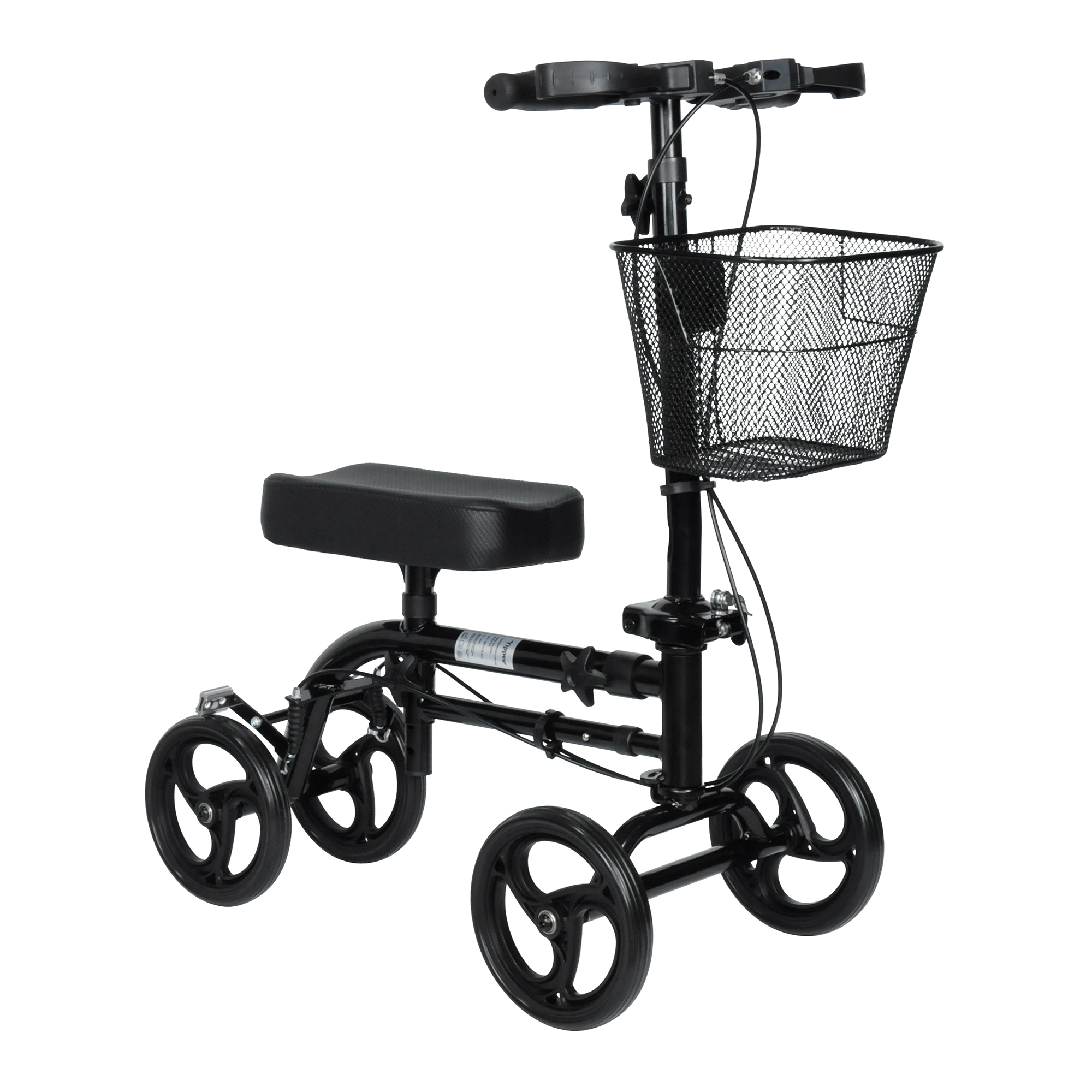
Leveraging Data Analytics to Optimize Procurement Decisions for Mobility Walkers
In the modern healthcare landscape, data analytics is transforming how hospitals make procurement decisions, especially for specialized equipment such as mobility walkers. For product managers, procurement professionals, and supply chain leaders, leveraging analytics ensures purchases are aligned with both clinical outcomes and financial goals.
The Role of Data Analytics in Hospital Procurement Mobility Walker
Hospitals accumulate vast data sets on equipment usage, maintenance, performance, and costs. Analyzing this data allows organizations to identify trends, benchmark performance, and refine purchasing strategies to reduce the total cost of ownership.
Key Applications of Analytics for Mobility Walker Procurement
1. Usage Patterns and Needs Assessment
Data-driven usage analysis helps match procurement volumes to real patient needs, avoiding over- or under-supply. Hospitals can identify which mobility walker models are most utilized and the specific departments driving demand.
2. Supplier and Product Performance
Analytics enables objective comparisons of supplier reliability, product durability, and after-sales service. Tracking key metrics such as downtime, repair frequency, and user satisfaction informs future procurement negotiations.
3. Cost Optimization
Hospitals can integrate procurement, maintenance, and clinical data to fully calculate the hospital procurement mobility walker total cost of ownership. This analysis highlights opportunities for cost reduction and efficiency gains.
Practical Steps to Implement Analytics-Driven Procurement
Data Integration: Consolidate data from procurement, clinical, and operational sources into unified dashboards.
Performance Metrics: Develop clear KPIs for product selection, supplier performance, and lifecycle value.
Predictive Analytics: Use machine learning models to forecast demand and identify emerging procurement risks.
Continuous Monitoring: Set up real-time alerts for equipment performance deviations or supply chain disruptions.
Outcomes and ROI from Data-Driven Procurement
Hospitals using data analytics for procurement decisions see improved resource allocation, lower costs, and enhanced patient safety. By embedding analytics in hospital procurement mobility walker processes, organizations foster continuous improvement and drive long-term value.
Conclusion
Leveraging data analytics empowers hospital procurement and supply chain teams to optimize purchasing decisions for mobility walkers. With actionable insights, hospitals can maximize value, mitigate risk, and improve both financial and clinical results for patients and staff alike.
For more details, please visit: https://smartelderlycare.com/