





Material Matters: Comparing Steel, Aluminum, and Carbon Fiber Rollators
Choosing the right material for a rollator is critical for performance, user comfort, and product longevity. For product managers and procurement leads, the decision between a steel, aluminum, and carbon fiber rollator influences everything from budget and logistics to end-user safety. This article helps decision-makers understand the strengths and trade-offs of each option to make informed purchases.
1. Steel Rollators: Sturdiness and Cost-Efficiency
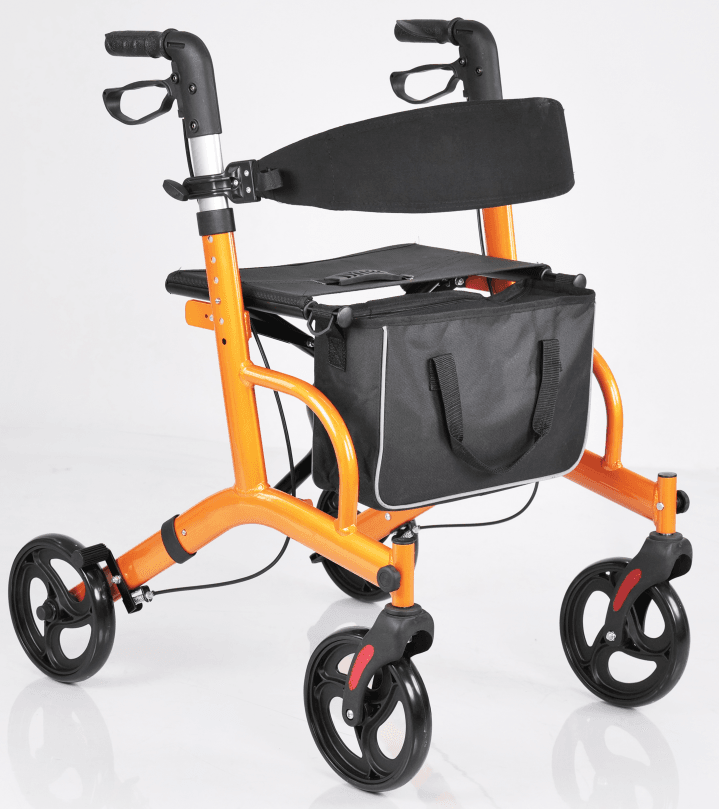
Steel is known for its strength and cost-effectiveness. Rollators made from steel are typically heavier, making them best suited for users who need more weight-bearing support and are less likely to transport the rollator frequently. If storage and maneuverability are less of a concern, steel remains a practical option. When comparing between a steel, aluminum, and carbon fiber rollator, steel is the most budget-friendly but least portable.
2. Aluminum Rollators: Balanced Performance and Versatility
Aluminum rollators strike a balance between weight and strength. Lighter than steel but still durable, they are ideal for indoor-outdoor usage, folding storage, and transport by car or elevator. This makes aluminum a go-to material for most healthcare settings and aging-in-place scenarios. When assessing options between a steel, aluminum, and carbon fiber rollator, aluminum often delivers the best performance-to-price ratio.
3. Carbon Fiber Rollators: Premium Mobility and Ultra-Lightweight Use
Carbon fiber rollators are the lightest, often weighing under 14 pounds. They’re ideal for highly active users or those with limited upper body strength. Their sleek design appeals to private-pay and premium markets, and their corrosion resistance ensures longevity in all climates. However, the cost is significantly higher. Choosing between a steel, aluminum, and carbon fiber rollator means considering whether the reduced weight justifies the premium price.
4. Procurement Considerations
Beyond performance, product teams must also factor in shipping costs, supplier availability, maintenance support, and spare part access. Steel is more available, aluminum more flexible in sourcing, and carbon fiber may require specialized logistics. Budget cycles and user demographics will influence which material to choose.
Conclusion
The choice between a steel, aluminum, and carbon fiber rollator should align with your end users’ needs and your organization’s budget priorities. Steel offers affordability, aluminum provides versatility, and carbon fiber delivers innovation. Understanding these differences empowers procurement teams to specify solutions that improve user outcomes and maximize long-term ROI.