





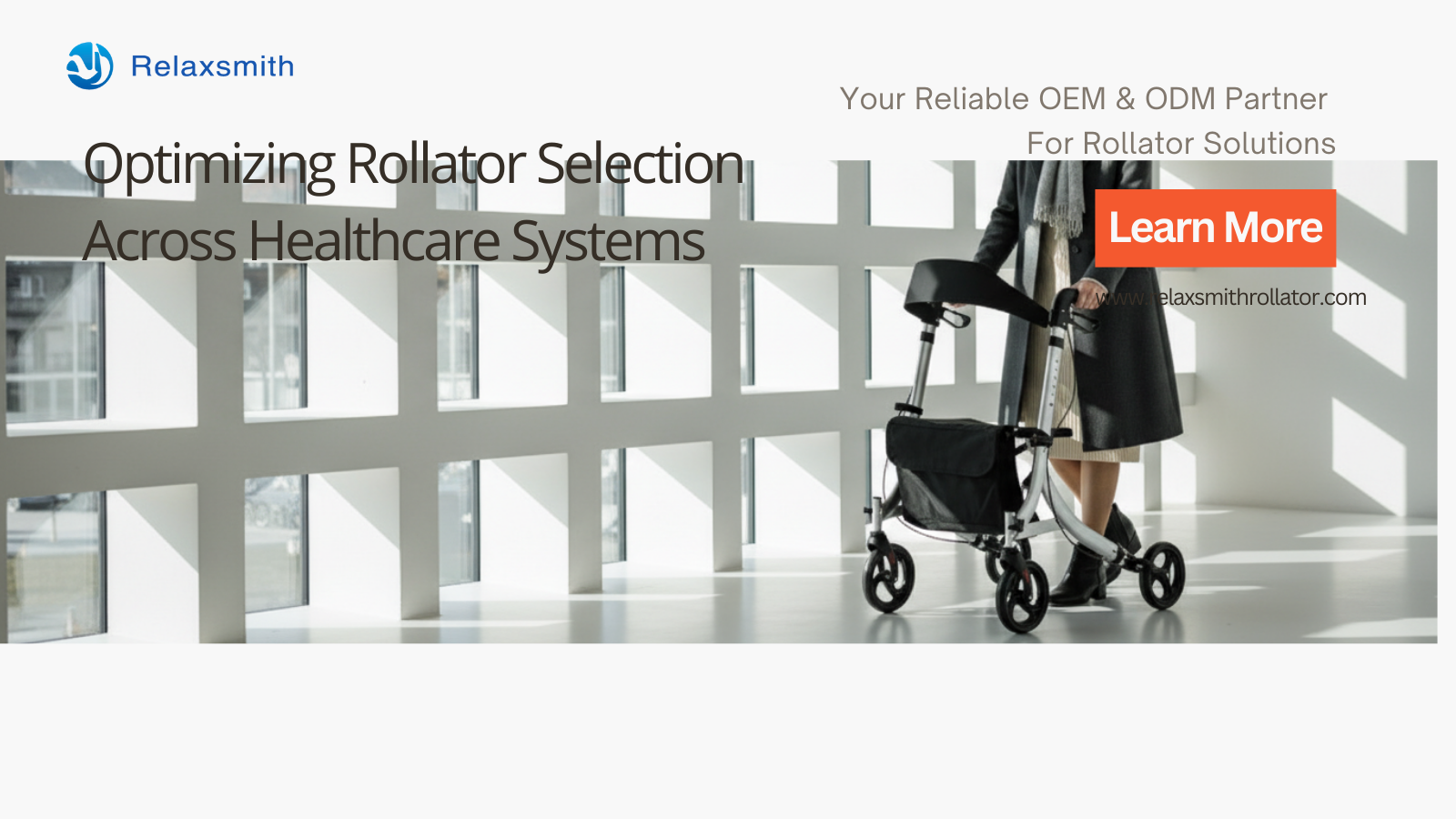
Optimizing Rollator Selection Across Healthcare Systems
This article continues to explore procurement best practices for standardizing rollator selection, providing deeper insights into strategies for optimizing rollator choice across various healthcare systems.
Establishing a Common Procurement Framework
Standardizing rollator procurement begins with establishing a common framework for selection across all healthcare settings. This framework should define the key criteria that all rollators must meet to be eligible for selection. These criteria should include:
Mobility Requirements — The rollator should be suitable for use by patients with various mobility needs, including those with limited strength, balance issues, or chronic conditions that affect their walking ability.
Ergonomic Design — The design should prioritize user comfort, with features such as adjustable handles, padded grips, and lightweight frames that are easy to maneuver and reduce physical strain.
Durability and Longevity — Rollators should be durable enough to withstand frequent use in healthcare settings and last over extended periods. The materials used should be easy to clean and maintain, ensuring the rollators meet hygiene standards.
Safety Features — Rollators must comply with relevant safety standards and include essential features such as reliable braking systems, non-slip wheels, and sturdy frames.
Leveraging Bulk Purchasing for Cost Efficiency
One of the main advantages of standardizing rollator procurement is the opportunity for bulk purchasing, which can significantly reduce the cost per unit. Bulk purchasing allows healthcare systems to negotiate better pricing with suppliers, leading to cost savings while ensuring high-quality products. To make the most of bulk purchasing, procurement teams should:
Engage Multiple Suppliers — While standardization involves selecting a primary rollator model, it is important to engage multiple suppliers to avoid dependency on a single provider and ensure competitive pricing.
Establish Long-Term Contracts — Long-term contracts with suppliers help secure more favorable pricing and ensure consistent supply, preventing stock shortages.
Consider Total Cost of Ownership — In addition to initial purchasing costs, procurement teams should consider the total cost of ownership, which includes maintenance, replacement parts, and repair costs over the rollator’s lifespan.
Customizing Rollators for Specific Healthcare Needs
While standardizing rollator procurement is essential, it is also important to accommodate the varying needs of patients across different healthcare settings. Customizable rollator options ensure that the selected models can meet the specific mobility needs of individual patients. Customization options to consider include:
Height Adjustability — Rollators should be adjustable to accommodate patients of different heights, ensuring that they can maintain a neutral posture while using the rollator.
Weight Capacity — Rollators should support a wide range of body types, with models that cater to heavier individuals, ensuring safety and comfort for all users.
Specialized Features — Features such as ergonomic handles, seats, or baskets can be customized to meet the specific needs of patients, ensuring that rollators are functional and comfortable.
Building Strong Relationships with Rollator Suppliers
Building strong, long-term relationships with rollator suppliers is crucial for maintaining a reliable supply chain and ensuring that the healthcare system consistently receives high-quality products. To foster these relationships, procurement teams should:
Communicate Clearly and Regularly — Regular communication with suppliers helps to address any issues early and ensures that expectations are aligned regarding product quality, delivery schedules, and pricing.
Monitor Supplier Performance — Continuously monitor supplier performance to ensure that they are meeting agreed-upon standards. Regularly assess the quality of the rollators and any additional services provided, such as maintenance and customer support.
Negotiate Flexible Terms — Negotiate flexible terms that allow for adjustments as needs evolve or as new models or technologies become available. This helps to keep the healthcare system up to date with the latest mobility aids.
Conclusion: Streamlining Rollator Selection for Improved Healthcare Delivery
Standardizing rollator procurement across healthcare systems ensures that healthcare providers have access to high-quality, cost-effective mobility aids. By following best practices such as leveraging bulk purchasing, customizing rollator features, and building strong supplier relationships, healthcare systems can optimize their procurement processes and deliver better care to patients. A streamlined procurement approach not only improves operational efficiency but also enhances the overall patient experience by ensuring that the right mobility aids are always available and tailored to their needs.



