





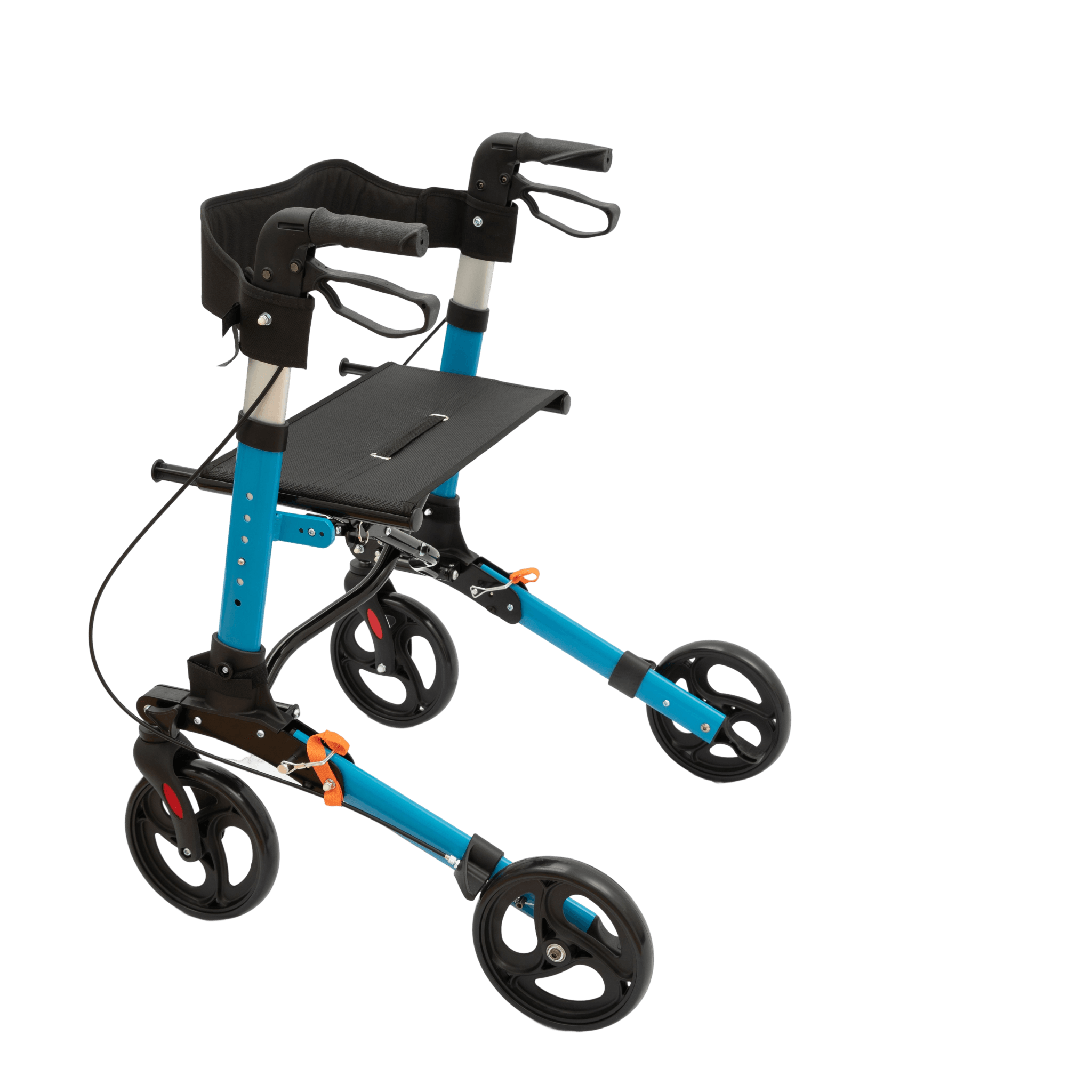
Performance and Durability: Comparing Luxury vs. Budget-Friendly Rollators

For product managers, procurement specialists, and supply chain leaders, understanding the key differences between a luxury rollator brand and a budget-friendly one is crucial for making the right choice for both end-users and organizational goals. Performance and durability are among the most scrutinized attributes, as these directly impact total cost of ownership, user safety, and brand reputation in professional settings.
Build Quality and Performance Under Stress
Luxury Brands: These rollators are typically constructed from advanced materials such as aircraft-grade aluminum, reinforced carbon fiber, or high-density composites. Their performance under stress, such as on uneven surfaces or with frequent use in clinical environments, is generally superior. Enhanced engineering allows luxury models to maintain stability, smooth operation, and low noise even after prolonged use.
Budget-Friendly Brands: These options often rely on basic aluminum or steel frames and simpler welding or fastening techniques. While functional, their ability to withstand high-frequency or intensive use is lower, and components may loosen or degrade faster, resulting in more frequent repairs or replacements.
Testing, Certification, and Standards Compliance
Luxury Brands: Premium rollators undergo rigorous testing protocols, including weight-bearing, shock, and fatigue tests far exceeding minimum regulatory standards. Many luxury brands acquire third-party certifications (ISO, FDA, CE), and publish detailed compliance reports for professional buyers.
Budget Brands: These typically meet baseline standards required by law but may skip advanced endurance testing or use internal, unpublished quality controls. This can result in variable reliability, especially in demanding or institutional environments.
Maintenance, Longevity, and Lifecycle Costs
Luxury Brands: These rollators require less maintenance, with wear components designed for easy replacement and minimal downtime. Their longer service life and consistent performance can translate into lower lifecycle costs, especially for professional organizations managing large fleets.
Budget Brands: More frequent part failures, limited spare part availability, and inconsistent fit-and-finish can increase service interruptions and long-term ownership costs, even though the initial purchase price is lower.
It is essential for decision-makers to weigh the key differences between a luxury rollator brand and a budget-friendly one not just on upfront costs, but on long-term durability and reliability, particularly in professional healthcare or institutional environments.
Conclusion
In summary, the key differences between a luxury rollator brand and a budget-friendly one in terms of performance and durability are most apparent over time. For organizations prioritizing long-term value, safety, and minimal downtime, investing in luxury rollators often proves more cost-effective. However, budget options may fit low-frequency or temporary needs. Each procurement decision should be mapped to your organization’s specific operational requirements and user profiles.
SEO Keywords (40 groups for this series)
Luxury rollator performance
Budget-friendly rollator
Rollator durability comparison
Professional rollator procurement
Rollator lifecycle costs
Healthcare equipment longevity
Premium mobility device
Entry-level rollator features
Maintenance of rollators
Wear-resistant rollator
Institutional mobility solution
High-end rollator brand
Cost of ownership mobility aid
Supply chain manager mobility
Rollator materials quality
Certification premium rollator
ISO certified rollator
FDA approved rollator
CE marked mobility device
Rollator spare parts availability
Low-maintenance rollator
Long-lasting mobility aid
Fatigue testing rollator
Budget rollator limitations
Aluminum rollator frame
Carbon fiber rollator
Professional use rollator
High-frequency usage mobility
Rollator repair needs
Healthcare procurement decision
Quality control mobility device
Brand reputation rollator
Product manager rollator
Supply chain quality assurance
Institutional rollator maintenance
Frequent replacement mobility aid
Procurement lifecycle analysis
Stability premium rollator
Long-term value rollator
Clinical rollator selection
Tags:
Luxury rollator performance, Budget-friendly rollator, Rollator durability comparison, Professional rollator procurement, Rollator lifecycle costs, Healthcare equipment longevity, Premium mobility device, Entry-level rollator features, Maintenance of rollators, Wear-resistant rollator, Institutional mobility solution, High-end rollator brand, Cost of ownership mobility aid, Supply chain manager mobility, Rollator materials quality, Certification premium rollator, ISO certified rollator, FDA approved rollator, CE marked mobility device, Rollator spare parts availability, Low-maintenance rollator, Long-lasting mobility aid, Fatigue testing rollator, Budget rollator limitations, Aluminum rollator frame, Carbon fiber rollator, Professional use rollator, High-frequency usage mobility, Rollator repair needs, Healthcare procurement decision, Quality control mobility device, Brand reputation rollator, Product manager rollator, Supply chain quality assurance, Institutional rollator maintenance, Frequent replacement mobility aid, Procurement lifecycle analysis, Stability premium rollator, Long-term value rollator, Clinical rollator selection



