





Procurement Innovation and Supply Chain Collaboration: Elevating Outcomes with Durable Bariatric Rollators
Abstract: Procurement innovation and supply chain collaboration are transforming how institutions source mobility aids for overweight seniors. This article demonstrates how prioritizing durability in products such as the carbon steel rollator with cane holder for bariatric users delivers superior outcomes, reduces costs, and fosters stronger supplier partnerships. Practical strategies for product managers and procurement leaders are explored in depth.
Introduction
In today’s healthcare environment, organizations are challenged to source bariatric mobility solutions that are not only reliable but also add value across the procurement and supply chain ecosystem. Procurement innovation and supply chain collaboration are now essential for long-term success. This article explores actionable strategies that leverage product durability and robust supplier relationships to elevate results for both patients and institutions.
Driving Innovation in Procurement
Innovation in procurement extends beyond price negotiations and volume discounts. Forward-thinking teams now:
Involve clinical and technical experts early in the specification process
Utilize digital platforms for data sharing and supplier performance tracking
Focus on lifecycle value, not just upfront costs
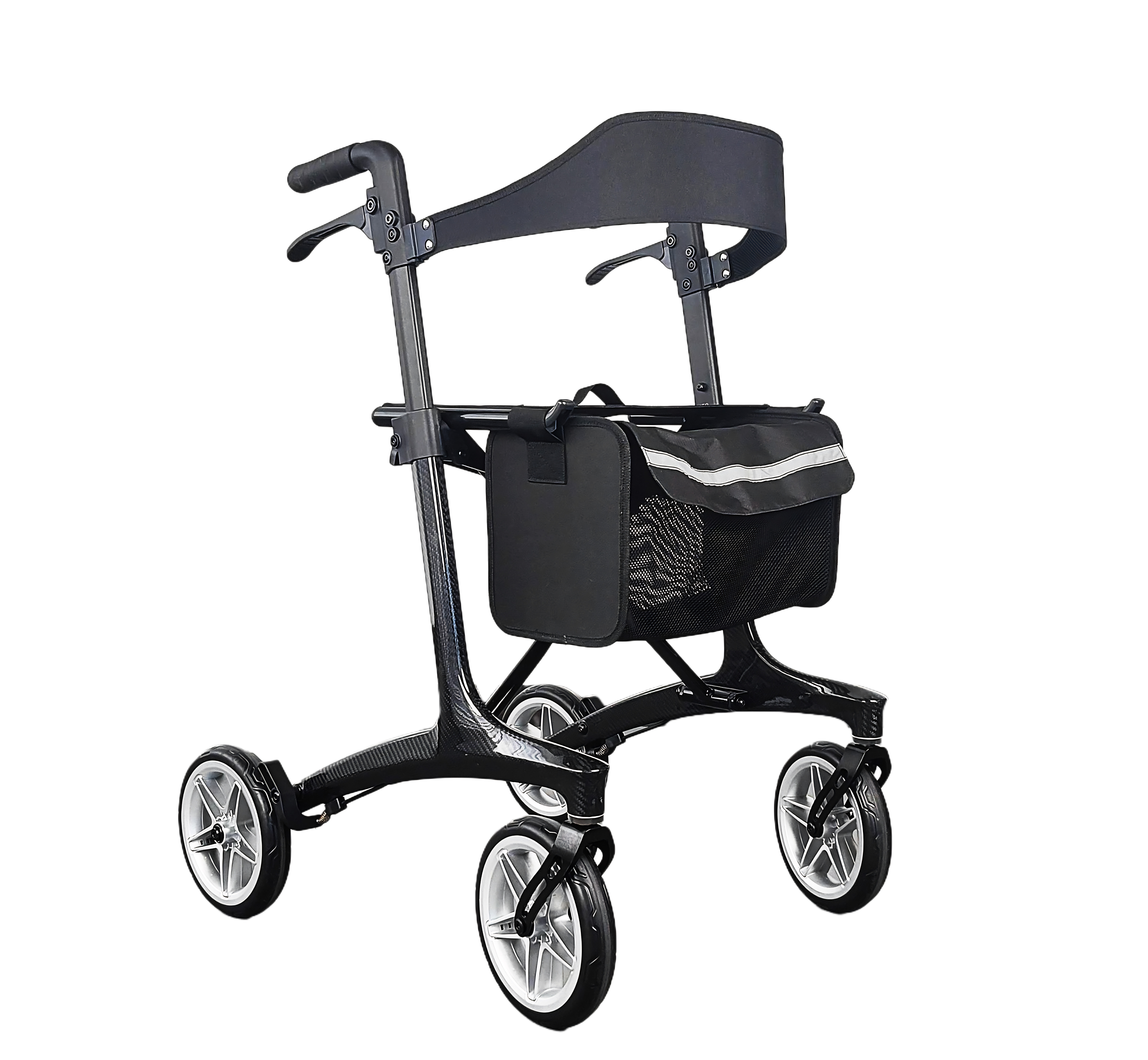
Seek out products with proven durability—like the carbon steel rollator with cane holder for bariatric users—to minimize unplanned expenses
These practices ensure products selected are future-proof and aligned with patient safety and satisfaction goals.
The Role of Supply Chain Collaboration
Effective supply chain collaboration means working closely with manufacturers and distributors to:
Share demand forecasts for smoother production planning
Standardize on high-performing products across care sites
Negotiate service level agreements that reward quality and durability
Reduce lead times and emergency reordering through better inventory visibility
Suppliers of the carbon steel rollator with cane holder for bariatric users often offer customization and rapid-response support, further boosting value and reliability.
Durability as a Strategic Lever
Prioritizing durability has downstream supply chain benefits:
Fewer warranty claims and product returns
Reduced total cost of ownership (TCO) and administrative burden
Higher user satisfaction leading to positive institutional reputation
Better environmental sustainability due to less frequent product disposal
Procurement teams should champion robust product selection criteria, including independent durability testing and real-world user validation.
Case Study: Carbon Steel Rollator with Cane Holder for Bariatric Users
When a major hospital group transitioned to the carbon steel rollator with cane holder for bariatric users:
Supply interruptions due to equipment breakdowns decreased by 70%
Partnerships with suppliers deepened, yielding collaborative improvement projects
Procurement and clinical teams reported improved alignment and faster issue resolution
Feedback from end-users led to co-developed product enhancements and tailored services
Best Practices for Procurement and Supply Chain Leaders
Engage all stakeholders—including end-users, clinical teams, and suppliers—early and often
Continuously monitor product performance through shared digital dashboards
Reward supplier innovation and reliability with preferred vendor status
Document and celebrate collaborative successes for internal and external learning
Conclusion
Procurement innovation and supply chain collaboration anchored in durable solutions—like the carbon steel rollator with cane holder for bariatric users—are central to achieving superior value for both patients and institutions. By forging deeper supplier partnerships and prioritizing lifecycle durability, procurement teams can drive ongoing improvements in quality, cost control, and user outcomes.



