





_compressed.png)
User Experience and Data-Driven Decision-Making: Enhancing Procurement Outcomes for Bariatric Rollators
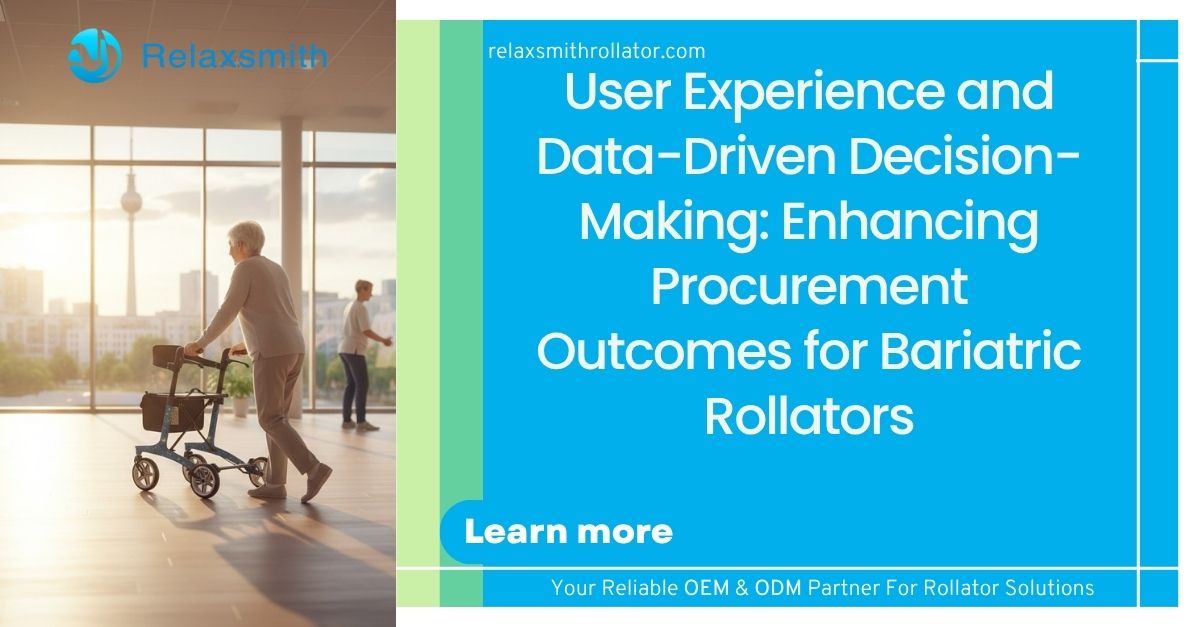
Abstract: Integrating user feedback and procurement analytics is key to successful product selection for bariatric rollators. This article provides product managers and procurement specialists with strategies to harness real-world data and experience, ensuring optimal choices for both users and organizational stakeholders. Practical insights focus on high-performance models like the carbon steel rollator with cane holder for bariatric users.
Introduction
Procurement teams and product managers are increasingly tasked with choosing mobility aids that meet the unique needs of bariatric users. Combining real user feedback with procurement analytics leads to better product outcomes, fewer complaints, and higher satisfaction rates. This article explores how data and experience can be leveraged together, especially with robust options like the carbon steel rollator with cane holder for bariatric users.
The Importance of User Experience in Bariatric Mobility
User feedback is vital in refining procurement decisions. Bariatric seniors prioritize:
Frame strength and stability under high loads
Comfortable grip and ergonomic support
Ease of use in different environments
Value-added features like integrated cane holders
Long-term studies show that models such as the carbon steel rollator with cane holder for bariatric users consistently score higher in patient satisfaction and overall safety ratings.
Leveraging Data-Driven Procurement for Better Outcomes
Data-driven procurement involves:
Collecting and analyzing failure rates and maintenance records
Monitoring warranty claims and service requests
Surveying user experience and post-purchase satisfaction
Benchmarking product performance across multiple suppliers
Using data analytics, teams can identify which models (e.g., carbon steel rollator with cane holder for bariatric users) deliver the best balance of durability, user comfort, and cost efficiency.
Case Study: Carbon Steel Rollator with Cane Holder for Bariatric Users
A regional healthcare network adopted the carbon steel rollator with cane holder for bariatric users after reviewing extensive user feedback and procurement data:
Reported a 50% reduction in user complaints about structural issues
Significant decrease in unscheduled maintenance and downtime
Positive feedback from both patients and clinical staff regarding integrated features
Improved budgeting accuracy and inventory forecasting due to predictable product performance
An Integrated Approach: Combining Experience and Analytics
To maximize procurement success, organizations should:
Establish formal channels for ongoing user feedback
Automate data collection on product lifecycle and repairs
Hold regular procurement review sessions with multi-disciplinary teams
Use analytics dashboards to visualize trends and inform buying decisions
Incorporating both hard data and soft experience ensures a full-circle view and mitigates the risk of missed expectations.
Best Practices for Ongoing Procurement Success
Collaborate with end-users and caregivers during trials and pilots
Implement feedback loops for continuous improvement
Document lessons learned and update procurement criteria regularly
Prioritize suppliers with proven data transparency and responsive service
Conclusion
Aligning procurement decisions with user experience and real-world data unlocks better outcomes for bariatric rollator users and institutional stakeholders. Models like the carbon steel rollator with cane holder for bariatric users set the standard for performance, satisfaction, and operational efficiency. Data-driven strategies make procurement not only smarter, but also more responsive to evolving user needs.



