






Stakeholder Collaboration for Standardized Rehabilitation Walker Procurement
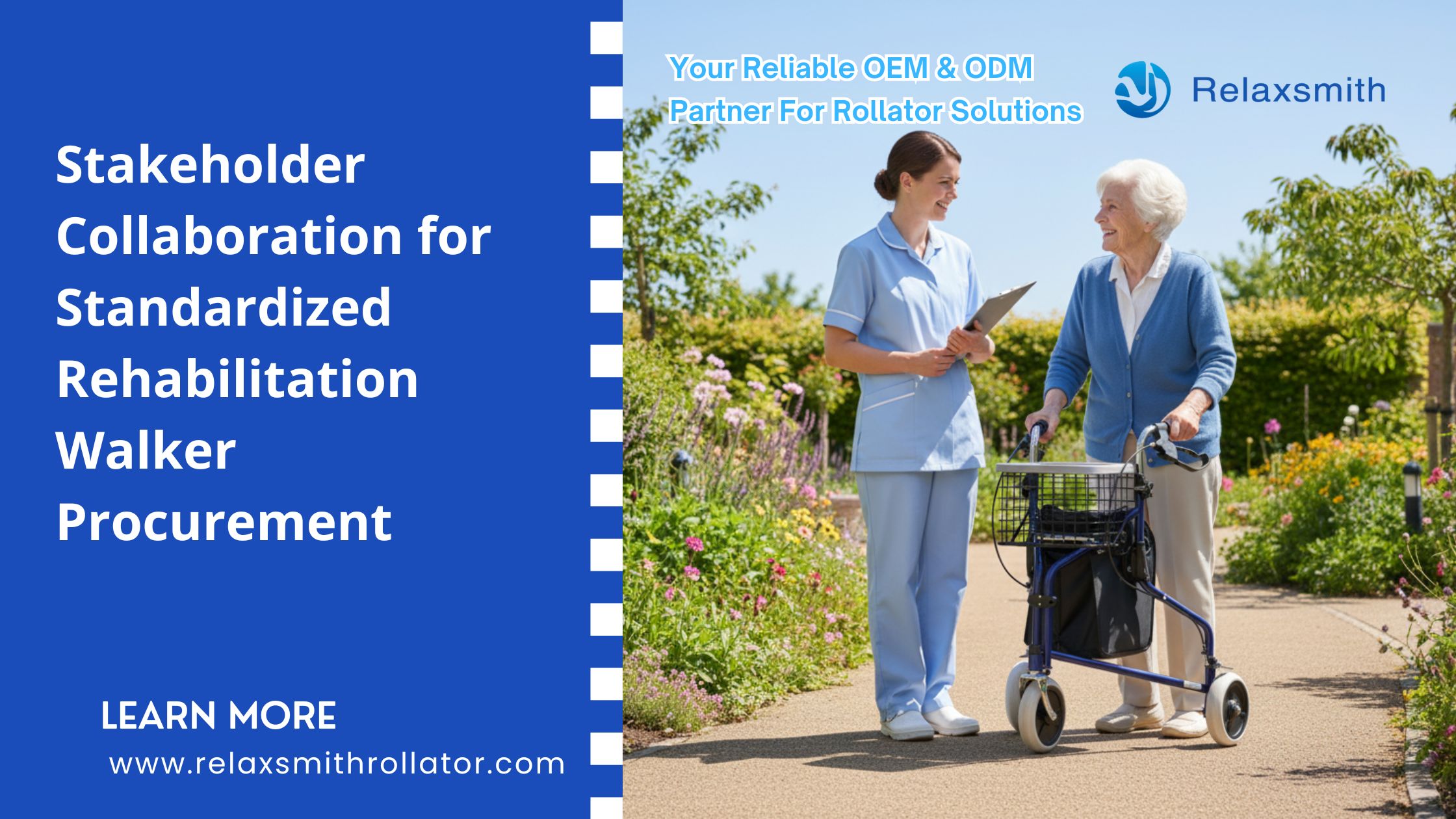
Effective collaboration among stakeholders is fundamental to the success of Standardized Procurement of Rehabilitation Walkers. This article highlights strategies to strengthen communication and alignment across product managers, procurement managers, supply chain experts, and clinical teams, ensuring that every stage of procurement delivers value and meets user needs.
1. Mapping Stakeholder Roles and Responsibilities
Start by clearly defining the roles and responsibilities of each stakeholder group. Establish cross-functional teams and assign procurement leads, clinical evaluators, and product liaisons to foster shared accountability.
2. Communication Platforms and Protocols
Implement centralized platforms for document sharing, feedback, and project updates. Schedule regular meetings and use collaborative tools to ensure all stakeholders are informed and engaged throughout the procurement cycle.
3. Consensus Building and Conflict Resolution
Adopt structured decision-making processes to build consensus on product specifications and vendor selections. Facilitate open forums to surface concerns early and resolve conflicts before they escalate, keeping the focus on organizational goals.
4. Joint Evaluation and Pilot Testing
Engage end users and clinical teams in joint evaluations and pilot programs. Their input provides practical insights into product functionality, usability, and acceptance, driving better procurement outcomes in the Standardized Procurement of Rehabilitation Walkers process.
Conclusion
Stakeholder collaboration is the foundation of sustainable procurement transformation. Organizations that cultivate teamwork and transparent communication can maximize the impact of standardization efforts and achieve superior results. For more details, please visit: https://smartelderlycare.com/



