






Standardizing Rehabilitation Walker Procurement: Foundation and Importance
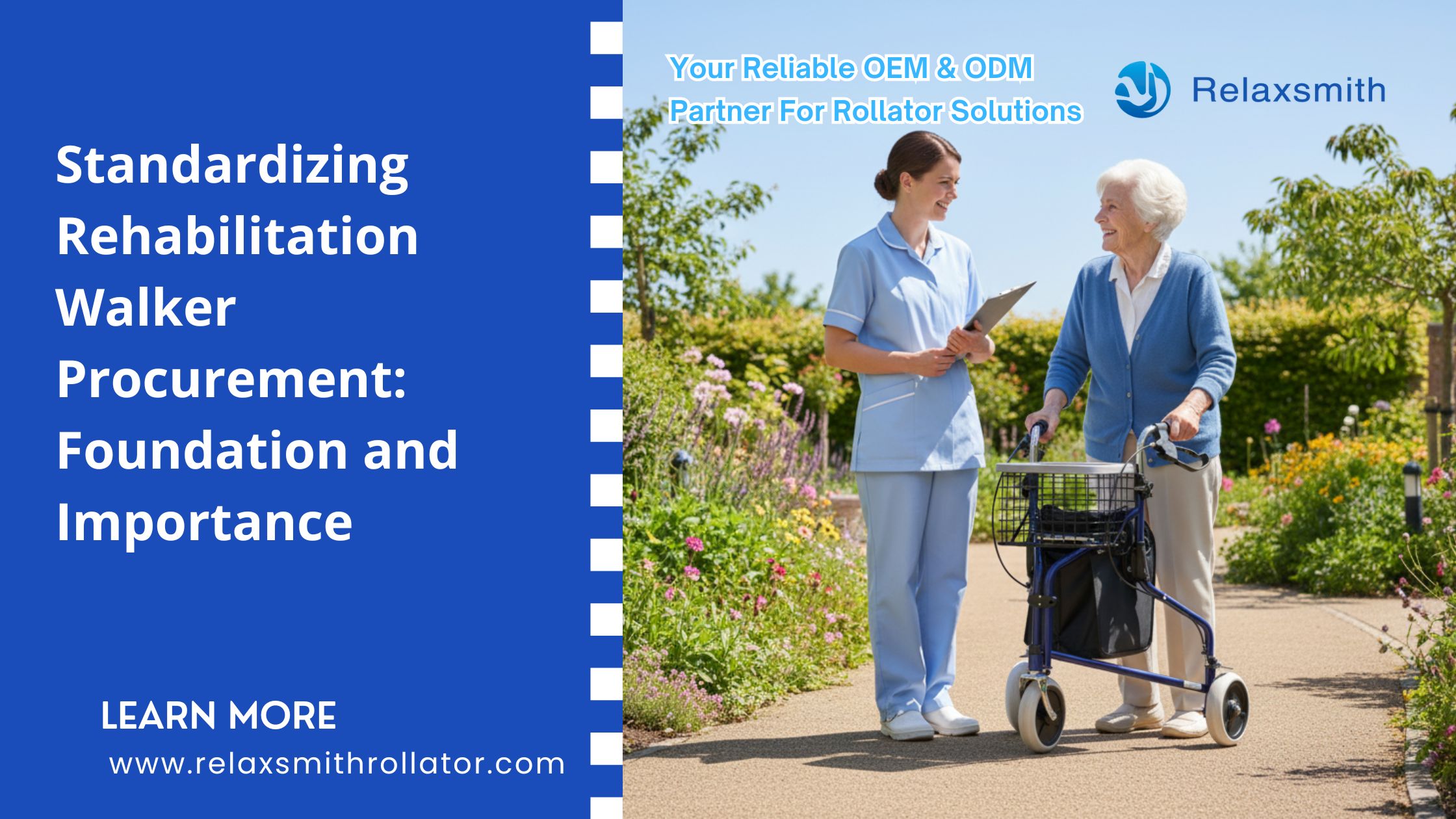
Establishing consistency in the Standardized Procurement of Rehabilitation Walkers is fundamental to advancing the overall quality of care, reducing operational risk, and achieving predictable outcomes in healthcare and eldercare facilities. This article, tailored for product managers, procurement managers, and supply chain professionals, explores why standardized procurement should be the first focus and how to lay a strong foundation.
1. Understanding the Current Procurement Landscape
Procurement of rehabilitation walkers often involves fragmented standards, leading to inconsistency in product quality and clinical performance. Many organizations face challenges such as:
Varied product specifications across departments or facilities
Lack of uniform supplier evaluation processes
Inconsistent documentation and compliance tracking
To overcome these issues, organizations must first conduct a baseline assessment, mapping all existing procurement channels and identifying key areas of variation.
2. Building the Case for Standardization
The need for Standardized Procurement of Rehabilitation Walkers extends beyond efficiency—it directly affects patient safety, cost management, and long-term vendor relationships. Key benefits include:
Enhanced quality assurance and risk reduction
Streamlined purchasing decisions and faster delivery cycles
Better pricing through consolidated volume agreements
Improved end-user satisfaction for patients and caregivers
3. Stakeholder Engagement and Policy Alignment
Successful standardization requires early involvement from all relevant stakeholders—product managers, clinical leaders, procurement teams, and end users. Develop clear procurement guidelines and policy documents to establish consensus and ensure alignment across the organization.
4. Data-Driven Vendor and Product Selection
Utilize performance data, user feedback, and supplier track records to select preferred walker models. Standardization does not mean one-size-fits-all; rather, it enables rationalized product categories tailored to specific use scenarios.
5. Implementation and Change Management
Roll out standardized processes gradually, combining policy updates with practical training for procurement staff. Monitor progress using KPIs (such as delivery timelines, user complaints, and product returns) to validate the impact of standardization efforts.
Conclusion
Standardized Procurement of Rehabilitation Walkers can transform fragmented sourcing into a predictable, value-driven process. Building a strong foundation is the first step in ensuring safety, efficiency, and satisfaction for all stakeholders. For more details, please visit: https://smartelderlycare.com/