






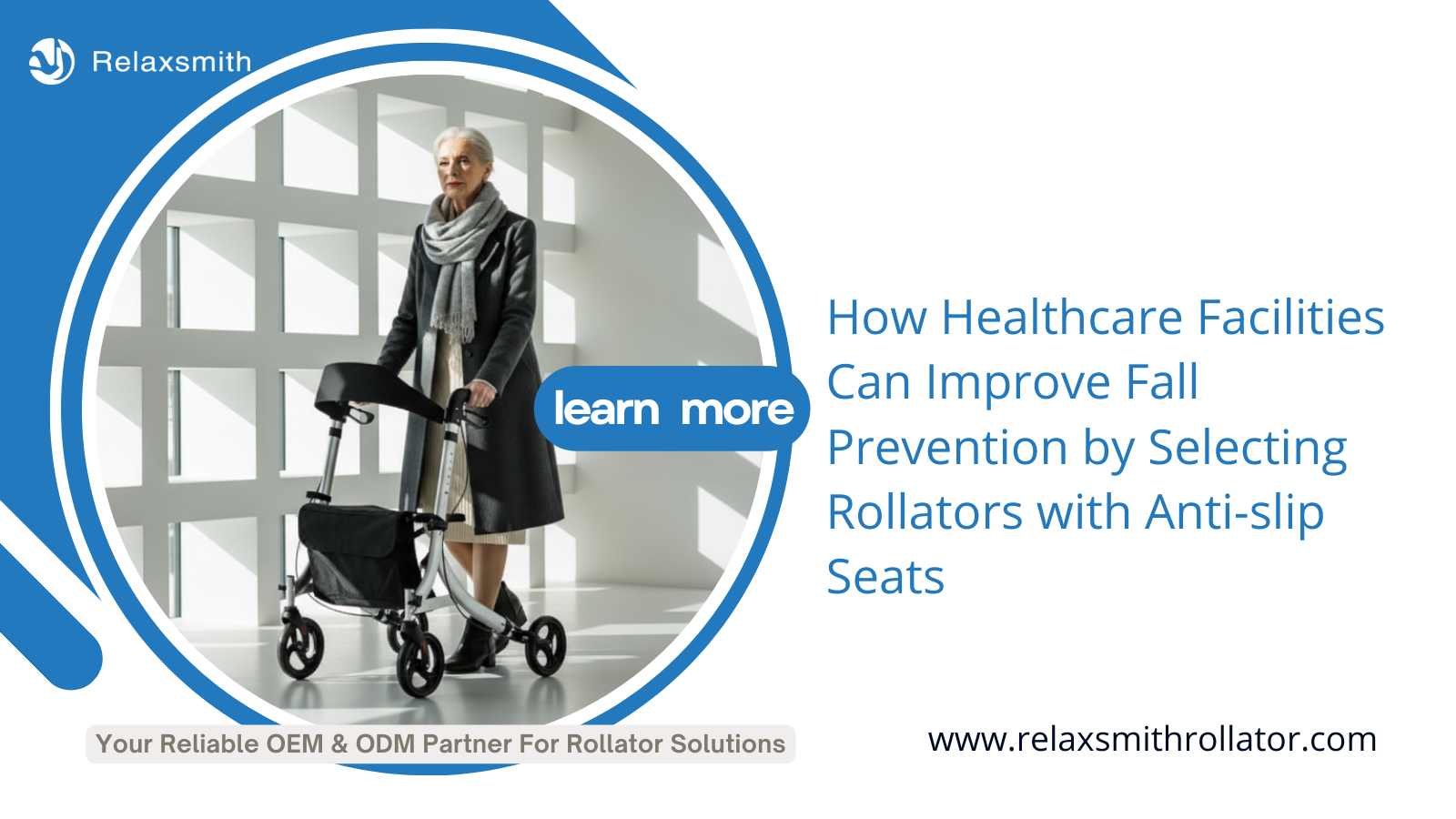
 How Healthcare Facilities Can Improve Fall Prevention by Selecting Rollators with Anti-slip Seats
In healthcare facilities, preventing patient falls is a critical goal to improve patient outcomes and reduce injury risks. Rollators, a commonly used mobility aid, play a vital role in supporting patients' independence and mobility. However, not all rollators are created equal. Rollators with anti-slip seats offer an added layer of safety, significantly enhancing fall prevention efforts. This article explores how healthcare facilities can improve fall prevention by selecting rollators with anti-slip seats for their patients.
The Role of Rollators in Fall Prevention
Rollators are essential tools for individuals with limited mobility, especially elderly patients in healthcare facilities. They provide support for walking, help maintain balance, and give patients a safe place to sit when needed. However, falls are still a major concern for patients who use rollators, particularly when they are sitting and standing. Slippery seats can increase the risk of patients losing balance while transitioning from sitting to standing or vice versa.
Why Anti-Slip Seats Matter
Anti-slip seats are crucial for improving patient safety. These seats are typically made from textured materials or rubberized surfaces that provide a secure and stable seating area for patients. By preventing slipping, these seats offer greater stability when patients transition between sitting and standing positions. This reduces the risk of falls during these critical movements, which are often when patients are most vulnerable.
In healthcare facilities, where patients are at an elevated risk of falls, anti-slip seats provide an added measure of safety, especially for elderly patients or those with physical impairments. Ensuring that rollators come equipped with anti-slip seats can help healthcare providers enhance patient safety and minimize fall-related injuries.
Improved Patient Confidence
One of the overlooked benefits of anti-slip seats is the increased confidence they offer to patients. Knowing that the seat will provide a firm grip reduces anxiety for patients, encouraging them to use their rollators more freely. When patients feel secure, they are more likely to use their rollators regularly, which improves their overall mobility and independence. In healthcare settings, this increased confidence can lead to better patient outcomes, as patients are less likely to avoid using their mobility aids.
Enhancing Healthcare Efficiency
In addition to improving patient safety, anti-slip seats contribute to healthcare efficiency. Healthcare professionals can spend less time assisting patients with transitions from sitting to standing and vice versa, as the anti-slip seats provide a safer and more secure sitting experience. This means healthcare staff can focus more on other aspects of patient care, improving overall workflow efficiency in busy healthcare settings.
Durability and Maintenance
Rollators with anti-slip seats are designed to be durable, able to withstand frequent use in healthcare environments. These rollators are made from high-quality materials that resist wear and tear, ensuring that they remain functional and safe over time. The anti-slip material used in the seats is typically easy to clean and maintain, which is crucial in healthcare settings where hygiene is a top priority.
The ability to clean and maintain the anti-slip seats easily helps healthcare facilities meet high hygiene standards, reducing the risk of infection. In addition, rollators with removable and washable seats offer an added convenience for healthcare providers, as they can be cleaned thoroughly between patient uses.
Selecting the Right Rollator for Healthcare Facilities
When selecting rollators for healthcare facilities, it is important for healthcare managers and procurement specialists to prioritize safety features, particularly anti-slip seats. Rollators with anti-slip seats offer enhanced stability, reduce the risk of falls, and improve overall patient mobility. Healthcare facilities should look for rollators that offer durable, high-quality anti-slip materials, as well as features that support patient comfort and ease of use.
Incorporating these rollators into patient care programs can enhance patient outcomes, reduce the incidence of falls, and improve overall healthcare efficiency. Healthcare facilities that invest in rollators with anti-slip seats demonstrate a commitment to patient safety and well-being.
Conclusion
Anti-slip seats are a vital feature in enhancing patient safety in healthcare settings. By selecting rollators with anti-slip seats, healthcare facilities can significantly reduce the risk of falls, provide greater comfort and stability for patients, and improve healthcare efficiency. As patient safety remains a top priority in healthcare settings, choosing rollators with anti-slip seats is an important step toward ensuring a safer and more efficient environment for patients and healthcare providers alike.
Tags
Why Healthcare Facilities Should Choose Rollator with Anti-slip Seat for Patients
rollator safety
anti-slip seat rollators
fall prevention
healthcare solutions
patient mobility
elderly care
comfortable seating
patient safety
mobility support
anti-slip features
healthcare facilities
reliable mobility aids
rollator design
fall-related incidents
durable rollators
easy-to-use rollators
SEO Keywords
Why Healthcare Facilities Should Choose Rollator with Anti-slip Seat for Patients
rollator safety
anti-slip seat rollators
fall prevention
healthcare solutions
patient mobility
elderly care
comfortable seating
patient safety
mobility support
anti-slip features
healthcare facilities
reliable mobility aids
rollator design
fall-related incidents
durable rollators
easy-to-use rollators