





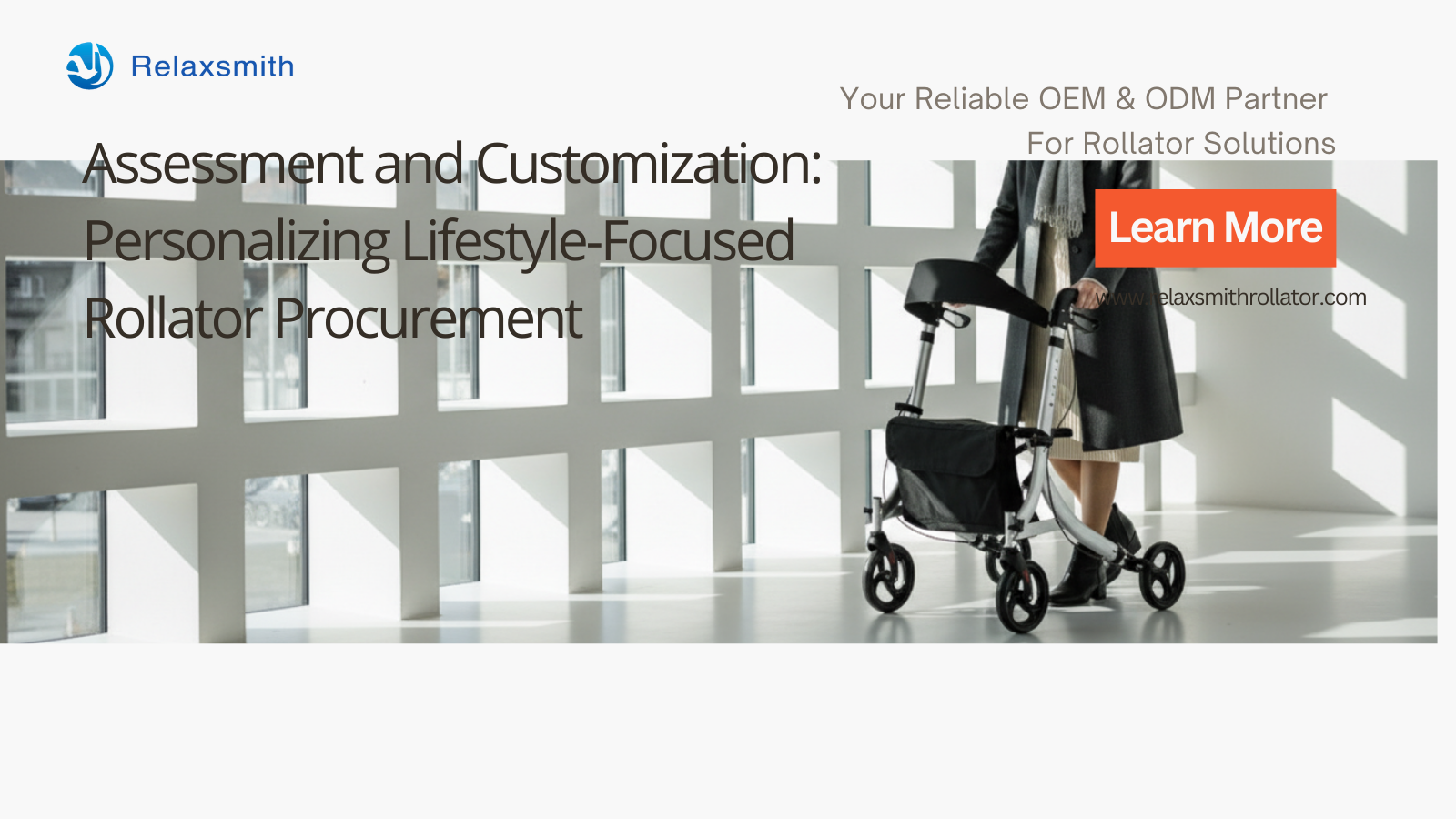
 How to Maximize Operational Efficiency in Long-Term Care Facilities with Ergonomically Designed Rollators
In long-term care facilities, operational efficiency is crucial for providing high-quality patient care while managing resources effectively. One of the most impactful ways to maximize operational efficiency is through the integration of ergonomically designed rollators. These advanced mobility aids help improve patient mobility and independence while reducing the workload of healthcare staff. This article explores how healthcare providers can enhance operational efficiency in long-term care facilities by adopting ergonomically designed rollators.
Why Operational Efficiency Matters in Long-Term Care Facilities
Long-term care facilities face unique challenges in balancing patient care with resource management. Improving operational efficiency helps facilities provide better care while optimizing their workflows and reducing costs. This can include reducing the time spent on routine tasks, minimizing patient falls, and enhancing staff productivity. Ergonomically designed rollators can play a key role in achieving these goals by supporting both patient mobility and staff efficiency.
The Role of Ergonomically Designed Rollators
Ergonomically designed rollators are built to enhance both the comfort and usability of mobility aids for patients and healthcare providers alike. These rollators integrate features that make them easier to use, more comfortable, and safer for patients, which leads to fewer injuries, better mobility, and more independence for patients. At the same time, they reduce the physical strain on healthcare providers by simplifying patient support tasks.
Key Features of Ergonomically Designed Rollators
Adjustable Handles and Seats: Rollators with adjustable components provide a custom fit for patients of different heights and body types. This ensures that patients are comfortable and properly supported, reducing the risk of discomfort, injury, or fatigue. For healthcare providers, adjustable components make it easier to adapt the rollator for different patients quickly, saving time and enhancing care.
Lightweight and Durable Materials: Ergonomically designed rollators are made from lightweight yet durable materials, making them easier to transport and maneuver. This reduces physical strain on healthcare staff when assisting patients and makes it easier for patients to use the rollators independently. This results in improved patient mobility and fewer instances where staff need to intervene.
Ergonomically Designed Handles: The design of the handles on a rollator is crucial for patient comfort and safety. Ergonomically designed handles reduce hand strain and improve grip, allowing patients to move the rollator more easily. This is especially important for elderly patients or those with conditions like arthritis, who may struggle with poor grip or pain in their hands.
Anti-Slip Seats: Anti-slip seats provide a secure seating area for patients, reducing the risk of falling when sitting or standing. This feature enhances patient safety, reduces the need for constant staff supervision, and minimizes the likelihood of fall-related injuries, which can result in added medical costs and delays in care.
Foldability and Portability: Ergonomically designed rollators often include a foldable frame, which makes them easy to store and transport. This feature is particularly useful in long-term care facilities where space may be limited and mobility aids need to be easily stowed when not in use. The portability of these rollators also simplifies patient transfers and allows staff to efficiently assist with patient mobility across the facility.
How Ergonomically Designed Rollators Improve Operational Efficiency
Ergonomically designed rollators contribute to operational efficiency in long-term care facilities in several key ways:
Reduced Staff Workload: By improving patient mobility and reducing the need for assistance, these rollators lighten the workload for healthcare providers. With features like adjustable components, lightweight frames, and anti-slip seats, rollators enable patients to move independently, allowing staff to focus on other aspects of care.
Improved Patient Safety: Features such as anti-slip seats and secure brakes help reduce the risk of falls, which are a leading cause of injury in long-term care settings. This not only improves patient safety but also reduces the need for staff interventions related to fall-related injuries, contributing to greater operational efficiency.
Enhanced Mobility and Independence: Ergonomically designed rollators encourage patients to use their mobility aids more frequently, which leads to improved physical health, strength, and mobility. Patients who use their rollators more regularly are more likely to maintain their independence and experience faster recovery times.
Better Space Utilization: The foldable design of many modern rollators helps save space in crowded long-term care facilities. By reducing the need for large storage areas and providing easy mobility between patient rooms, staff can better organize their workspace and improve overall facility flow.
Conclusion
Ergonomically designed rollators play a crucial role in maximizing operational efficiency in long-term care facilities. By improving patient mobility, safety, and independence, and by reducing the workload of healthcare providers, these advanced mobility aids contribute to better patient outcomes and a more efficient healthcare environment. Long-term care facilities should prioritize investing in ergonomically designed rollators to enhance the quality of care while optimizing their internal operations and resources.
Tags
Operational efficiency rollator
ergonomically designed rollators
patient safety
elderly care
fall prevention
healthcare solutions
rollator design
healthcare efficiency
mobility aids
patient mobility
rehabilitation mobility
comfortable seating
adjustable rollators
staff efficiency
SEO Keywords
Operational efficiency rollator
ergonomically designed rollators
patient safety
elderly care
fall prevention
healthcare solutions
rollator design
healthcare efficiency
mobility aids
patient mobility
rehabilitation mobility
comfortable seating
adjustable rollators
staff efficiency



