Customization and Adaptability in Procurement Standards for Walkers
Walkers are not one-size-fits-all products. To ensure that patients receive the mobility support they need, it is crucial for procurement teams to prioritize customization and adaptability when selecting walkers. Different patients have different mobility needs, and procurement standards must allow for flexibility to accommodate a wide range of requirements. This article discusses the importance of customization and adaptability in the procurement of walkers and how these factors contribute to improved patient outcomes.
1. The Need for Customization in Walker Procurement
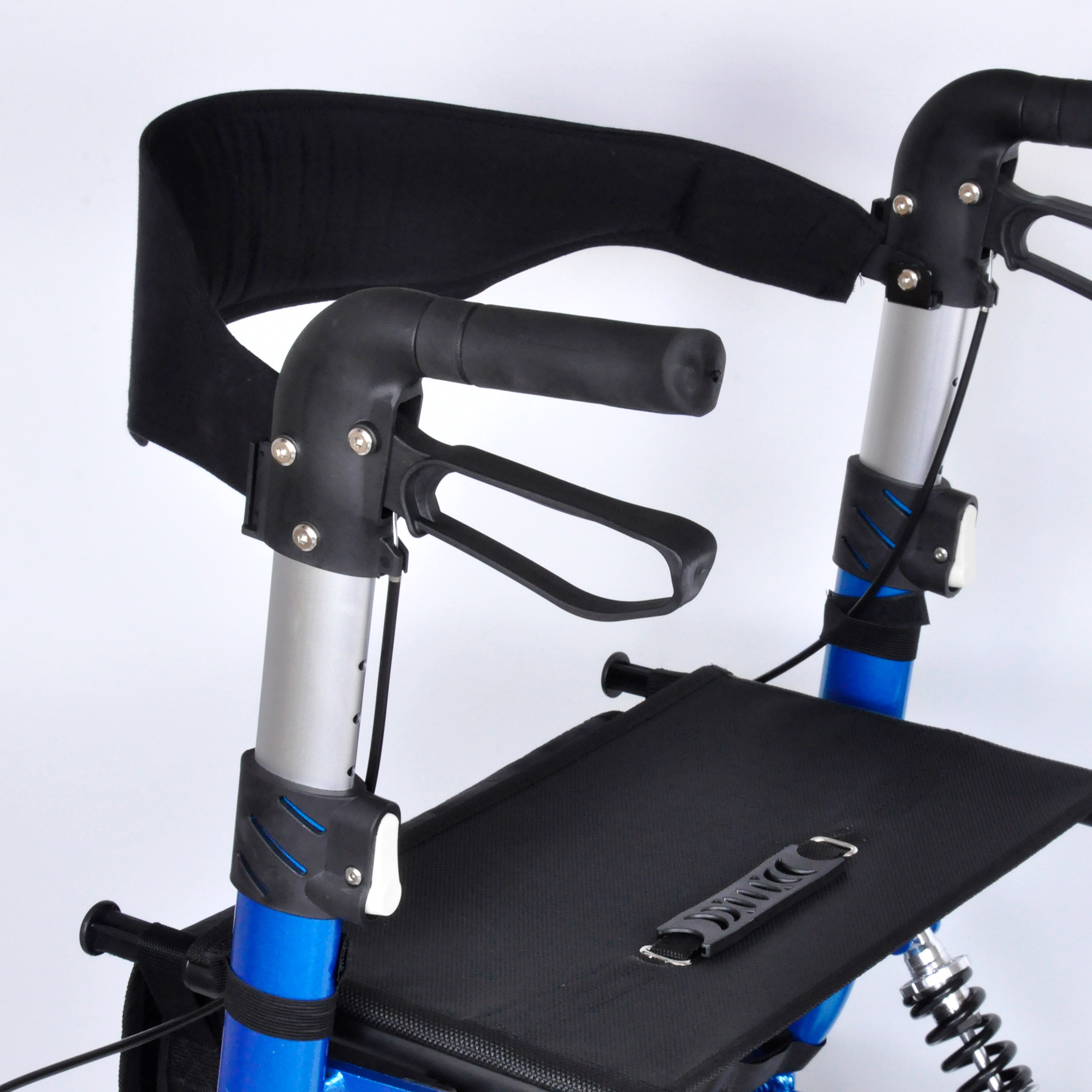
Customizing walkers to meet the specific needs of patients is essential for providing the best possible mobility support. For instance, patients with limited hand strength may require walkers with ergonomic grips or handles, while taller patients may need walkers with adjustable heights. Customization can also include features such as wider frames for patients with larger body types or walkers with additional support for patients recovering from surgery.
Procurement standards should include specifications that allow for customization in key areas such as handle height, seat height, weight capacity, and the addition of safety features. Customization ensures that walkers are comfortable, functional, and effective for each patient’s unique mobility challenges.
2. Adaptability in Walker Design
In addition to customization, adaptability is a key factor in ensuring that walkers meet the evolving needs of patients. Patients may experience changes in their mobility over time, and walkers should be adaptable to these changes. For example, a walker with adjustable handles can be modified as a patient’s height changes, while walkers with removable or repositionable components allow patients to modify the walker to suit their needs.
Adaptability also extends to patients who may require different walker configurations for different environments. For example, some patients may need a walker that can easily transition from indoor use to outdoor use, with features such as larger wheels or additional stability features for outdoor terrain.
3. Collaboration Between Healthcare Providers and Procurement Teams
Collaboration between healthcare providers and procurement teams is essential for selecting walkers that can be customized and adapted to meet patient needs. Healthcare providers are in the best position to identify which features are necessary for improving patient mobility and safety. By working closely with clinicians, procurement teams can ensure that walkers are selected based on their ability to adapt to different patient needs and environments.
4. Product Testing and Evaluation
Before walkers are included in the procurement list, it is important to conduct product testing to assess their effectiveness. This testing should involve real patients who can provide valuable feedback on how well the walker functions in different situations. Through testing, procurement teams can identify which walkers are most adaptable and suitable for patients with diverse needs.
5. Long-Term Benefits of Customizable Walkers
Investing in customizable and adaptable walkers provides long-term benefits for both healthcare providers and patients. Customizable walkers offer greater flexibility, allowing patients to continue using them as their mobility needs change. Walkers that can be easily adjusted or modified will reduce the need for frequent replacements, saving costs for healthcare organizations in the long run.
Moreover, by meeting the diverse needs of patients, customizable walkers contribute to improved patient outcomes, such as enhanced mobility, greater independence, and improved quality of life. Ensuring that walkers are adaptable also helps healthcare providers support patients throughout their rehabilitation and recovery processes.
For more details, please visit: www.relaxsmithrollator.com