Integrating Clinical Feedback into Product Selection
One of the critical aspects of patient-centered procurement is ensuring that healthcare professionals, such as doctors, physical therapists, and nurses, are involved in the selection of mobility aids like walkers. Integrating clinical feedback into product selection ensures that the walkers chosen provide the right level of support, comfort, and safety for patients. This article explores the importance of incorporating clinical input and feedback into the procurement process, and how doing so can enhance patient outcomes.
1. The Role of Healthcare Providers in Walker Selection
Healthcare professionals are experts in patient care, and their input is invaluable when selecting products such as walkers. These professionals understand the specific needs of patients based on their clinical assessments. For instance, a physical therapist may recommend walkers with enhanced stability for patients recovering from surgery, while a doctor may prefer a walker with specific features for patients with chronic conditions like arthritis.
By including healthcare providers in the procurement process, procurement teams ensure that the walkers selected are aligned with the patients’ medical needs, promoting faster recovery and reducing the risk of complications.
2. Clinical Feedback: An Ongoing Process
Incorporating clinical feedback should not be a one-time event. As patient needs evolve, clinical feedback should continue to inform procurement decisions. For example, if a patient experiences discomfort or difficulty using a particular walker, clinical feedback can help identify the issue and lead to adjustments in the procurement criteria for future purchases.
Regular Feedback Mechanisms
Implementing regular feedback mechanisms, such as patient satisfaction surveys and follow-up consultations with clinicians, can provide valuable insights into the efficacy of walkers and their impact on patient mobility. This ongoing feedback loop helps ensure that walkers remain effective as patients’ conditions change over time.
3. Customizing Walkers Based on Clinical Input
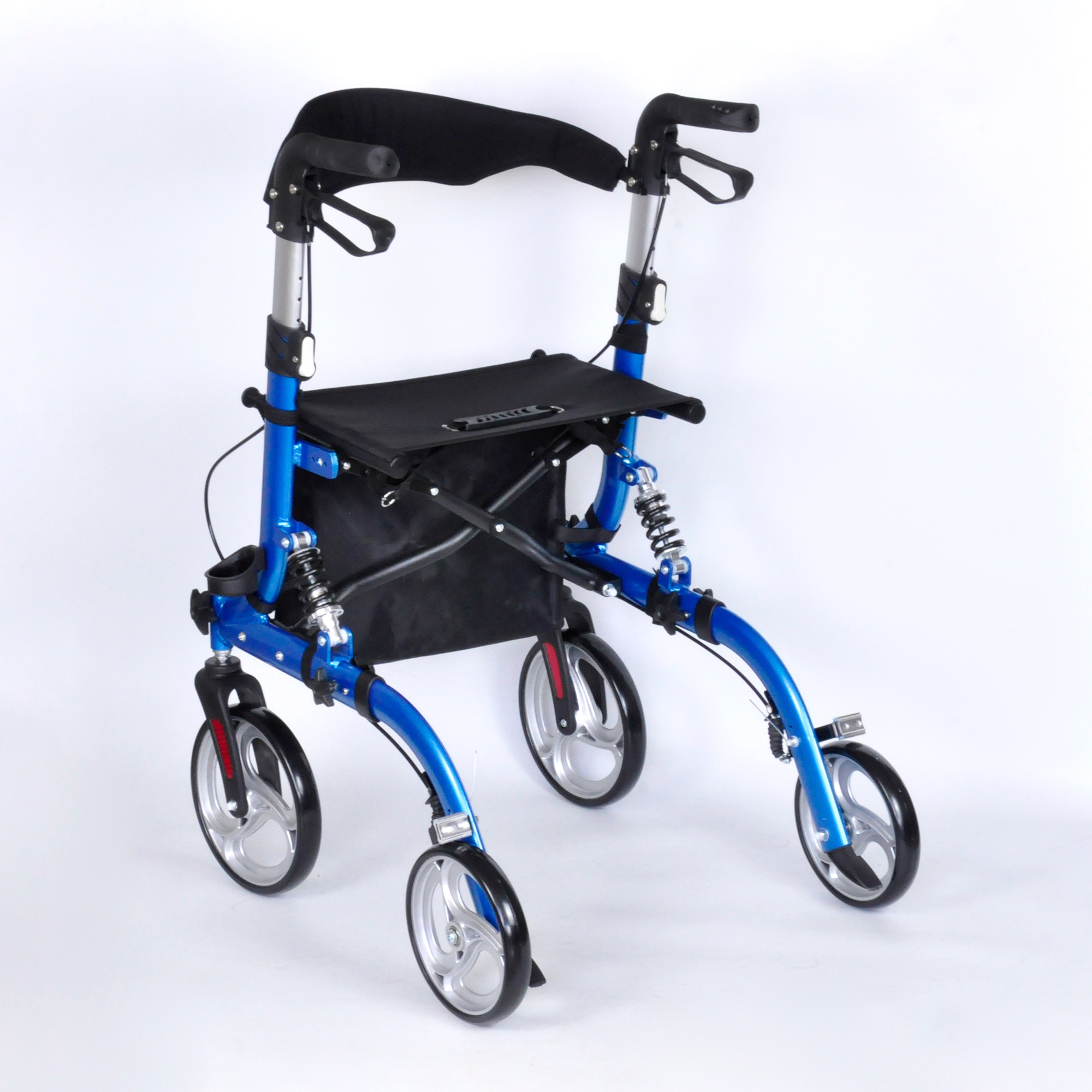
Clinically-informed customization is essential for ensuring that walkers meet the specific needs of individual patients. For example, a patient with limited hand strength may require walkers with specialized grips, while a patient with severe mobility issues may need walkers with greater weight capacity and more extensive support structures.
Procurement teams should collaborate closely with clinicians to customize walkers, ensuring that they meet the functional requirements of patients while also supporting their comfort and safety. Customization can also extend to features such as adjustable heights, additional supports, and ergonomic designs.
4. Clinical Trials: A Crucial Step in Walker Evaluation
Before selecting walkers for procurement, it is essential to conduct clinical trials and real-world testing. This allows healthcare providers to assess how different walker models perform in various clinical settings. By using clinical trials to test walkers with real patients, procurement teams can gather data on which models offer the most benefit in terms of patient mobility and safety.
These trials can also help identify any limitations or issues with specific walkers, allowing for adjustments in the procurement process to ensure that the best walkers are selected for patients.
5. Building Long-Term Relationships with Healthcare Providers
Establishing and maintaining long-term relationships with healthcare providers is key to continuously improving the procurement process. By fostering collaboration and communication with clinicians, procurement teams can ensure that the feedback loop remains open, and that patient needs are consistently met. Ongoing partnerships with healthcare providers also facilitate more informed decision-making and help ensure that future walker models continue to meet the evolving needs of patients.
For more details, please visit: www.relaxsmithrollator.com