How to Build Patient-Centered Procurement Criteria to Improve Walker Outcomes
The role of procurement professionals in healthcare is evolving, with increasing emphasis on ensuring that products not only meet budgetary requirements but also align with patient needs. When it comes to mobility aids such as walkers, understanding patient-centered procurement criteria is crucial for improving both the quality of life for patients and the effectiveness of healthcare systems. This article explores key factors that should be considered when developing patient-centered procurement criteria for walkers, focusing on ensuring that the criteria are not only cost-effective but also improve patient outcomes.
1. Understanding Patient Needs
Before procurement decisions are made, it is vital to understand the specific needs of the patients who will use the walkers. This understanding goes beyond simple preferences and includes considerations of mobility limitations, lifestyle, and long-term health impacts. Patient-centered procurement begins with gathering input from patients themselves, clinicians, caregivers, and even family members. Regular feedback mechanisms, such as surveys or focus groups, can help inform procurement criteria that reflect real-world patient needs.
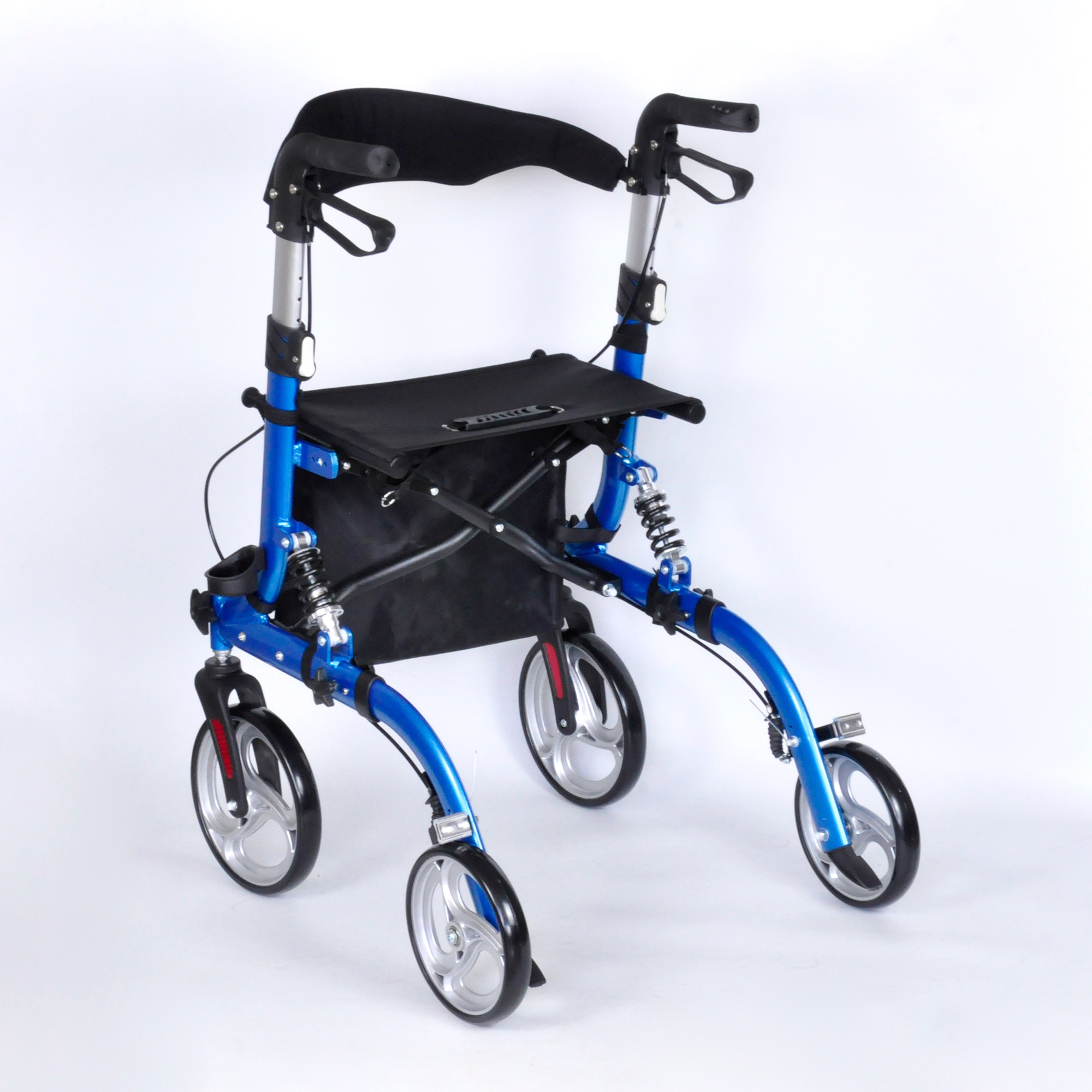
Walkers are not one-size-fits-all products. The decision to invest in a particular walker should consider factors such as the user’s weight, height, balance, strength, and whether the walker will be used indoors or outdoors. For example, patients who have difficulty lifting or bending might benefit from a walker that has a lightweight design and easy maneuverability. In contrast, patients with severe balance issues might need a walker with added stability features.
2. Incorporating Clinical Input
Another critical element of patient-centered procurement is incorporating clinical input. Healthcare providers, such as physical therapists, occupational therapists, and doctors, can offer valuable insights into what features are essential for improving patient mobility. Clinical feedback should be part of the criteria for selecting walkers, as clinicians are directly involved in patient rehabilitation and can assess which walker designs provide the most support and safety for patients.
Clinical Trials and Product Testing
Before adding a walker to the procurement list, conducting trials or product testing can help evaluate its efficacy in real-world settings. This testing phase should include patient use under the supervision of healthcare professionals. Patient feedback from these trials can further refine procurement criteria by identifying specific performance issues and highlighting features that improve patient safety and mobility.
3. Cost vs. Value: Balancing Budget and Patient Outcomes
Budget constraints are a reality in healthcare procurement, but it is essential to consider both cost and value when selecting walkers. A walker that is cheaper in the short term may not offer the same long-term benefits as a higher-quality walker. Features that enhance patient mobility, comfort, and independence may justify a higher initial investment if they result in better health outcomes and fewer complications.
Additionally, it is important to consider the long-term costs associated with maintenance and durability. A durable walker that requires less maintenance may ultimately be more cost-effective than one that needs frequent repairs or replacement.
4. Customization and Adaptability in Walker Design
Every patient’s mobility needs are different, so walkers must be adaptable and customizable. Procurement criteria should include options for adjusting the height, width, or seat position of a walker to accommodate individual patients. Customizable walkers not only improve patient comfort but also enhance usability. For instance, patients with limited hand strength may require walkers with ergonomic grips, while those with specific medical conditions might need walkers with more support or additional safety features.
Adaptability is also important for patients who may experience changes in their mobility over time. For instance, a walker that can be adjusted as a patient’s condition improves or declines ensures continued comfort and safety.
5. Evaluating Patient Outcomes: A Data-Driven Approach
Measuring the success of patient-centered procurement criteria involves evaluating patient outcomes. This can be done by tracking key metrics such as patient satisfaction, mobility improvements, and overall quality of life. Using this data, procurement teams can adjust their criteria to ensure that walkers selected in future procurement cycles continue to meet the evolving needs of patients.
Additionally, collaborating with healthcare providers to track post-use results will allow for a comprehensive evaluation of how the walker is performing. Are patients using their walkers regularly? Have they reported fewer falls or injuries? The answers to these questions will provide insights into whether the walkers selected are delivering on their intended outcomes.
For more details, please visit: www.relaxsmithrollator.com