





Enhancing Evaluation Standards for Comparing Traditional and Ergonomic Rollators
For Product Managers, Procurement Managers, and Supply Chain Professionals
With the proliferation of mobility aids in the healthcare market, it has become imperative to establish clear, robust evaluation standards for Comparing Traditional and Ergonomic Rollators. This article provides a framework for procurement professionals and product managers seeking to make objective, data-driven purchasing decisions in rehabilitation equipment procurement.
Why Enhancing Evaluation Standards Matters
The distinction between traditional and ergonomic rollators is no longer a matter of simple design preference. It directly impacts patient outcomes, safety, and long-term costs for healthcare facilities. Establishing and adhering to rigorous evaluation standards ensures procurement teams select solutions that align with organizational goals and end-user needs. By Comparing Traditional and Ergonomic Rollators on standardized metrics, teams can ensure transparency and accountability.
Key Metrics for Comparing Traditional and Ergonomic Rollators
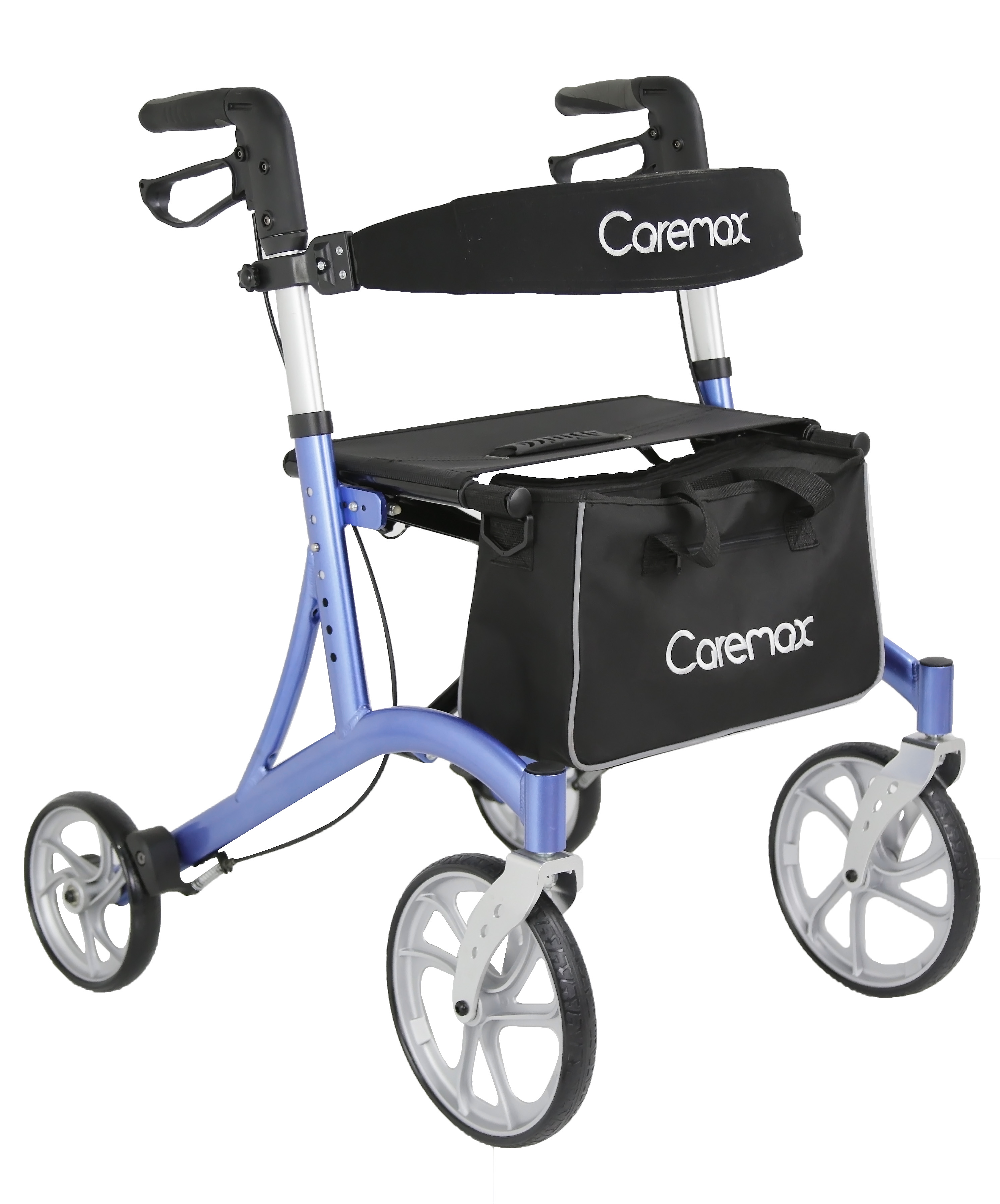
User Comfort and Adjustability: Evaluate seat cushioning, handle adjustability, and user-specific ergonomics.
Durability and Material Quality: Assess the quality of frames, joints, wheels, and folding mechanisms for longevity.
Mobility and Maneuverability: Test rollator performance in tight spaces, various terrains, and incline support.
Safety Features: Examine brake reliability, anti-tip design, and stability under load.
Maintenance Requirements: Compare the ease of cleaning, repair, and routine servicing for each type.
Cost-Benefit Analysis: Balance upfront pricing against expected lifecycle costs and patient satisfaction.
Standardizing these metrics makes Comparing Traditional and Ergonomic Rollators more meaningful for decision-makers who must justify purchases to stakeholders and regulatory bodies.
Developing a Custom Evaluation Framework
Healthcare organizations should adapt the above metrics to their specific patient demographics, facility layouts, and clinical workflows. A formalized evaluation matrix, weighted according to institutional priorities, allows for transparent side-by-side comparisons and simplifies vendor negotiations.
Solicit feedback from clinicians, therapists, and end-users to refine criteria.
Pilot both traditional and ergonomic models in real-world use cases before full-scale adoption.
Document findings and update evaluation standards annually based on new data and technology trends.
Leveraging Technology and Data Analytics
Digital procurement platforms and data analytics now make it easier than ever to capture real usage and satisfaction data from large user groups. By automating feedback collection and integrating with procurement databases, managers gain real-time insights for Comparing Traditional and Ergonomic Rollators and can iterate on standards as products evolve.
Conclusion
Enhancing evaluation standards is essential for making sound, future-ready procurement choices in the rapidly advancing mobility aid sector. A systematic approach to Comparing Traditional and Ergonomic Rollators enables organizations to improve patient outcomes, control costs, and increase process transparency.
For more details, please visit: https://smartelderlycare.com/
Comparing Traditional and Ergonomic Rollators, Rollator Evaluation, Ergonomic Mobility Aid, Healthcare Procurement Standards, Mobility Equipment Comparison, Rollator Feature Analysis



