





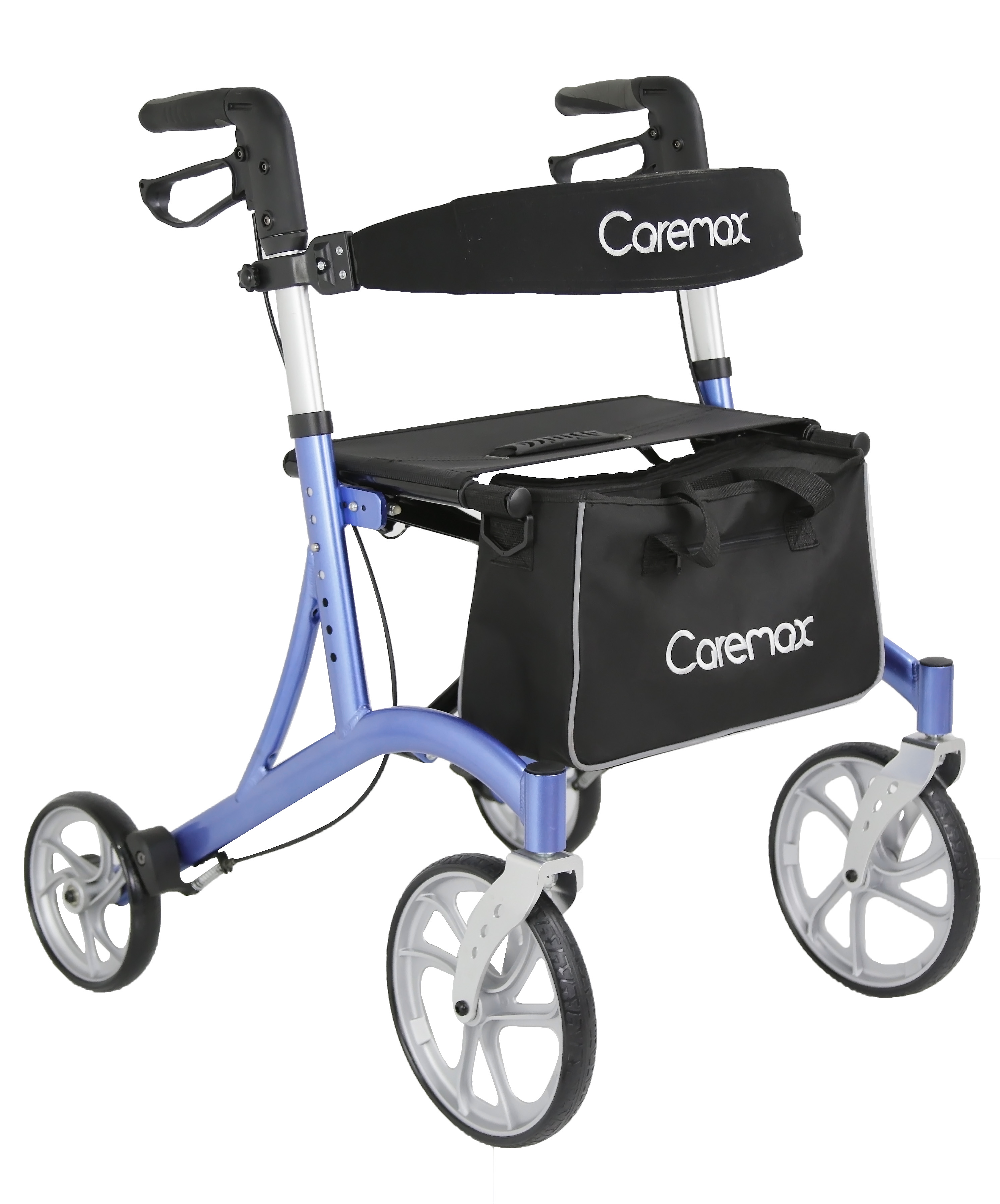
Strengthening Institutional Decision-Making for Large-Scale Walker Procurement

For Product Managers, Procurement Managers, and Supply Chain Professionals
Large-scale procurement of walkers within healthcare institutions requires a highly structured, data-driven approach to ensure consistency, quality, and fiscal responsibility. Institutional procurement walker strategies have become central to enabling hospital systems, rehabilitation centers, and care networks to efficiently acquire mobility aids that meet the diverse needs of their patient populations.
Challenges in Institutional Procurement Walker Strategies
Complex Stakeholder Involvement: Multiple decision-makers—clinicians, finance, supply chain, and legal—must be aligned on purchasing goals and criteria.
Product Standardization vs. Customization: Balancing the efficiency of standardized walker models with the need for customization for different care units.
Vendor Evaluation: Vetting suppliers on product quality, reliability, service, and compliance with regulatory standards.
Budget Constraints: Managing procurement within tight financial frameworks while maximizing patient benefit.
Successful Institutional procurement walker initiatives depend on collaborative frameworks and decision-making protocols that clarify responsibilities and minimize bottlenecks.
Framework for Enhanced Institutional Decision-Making
Cross-Functional Procurement Teams: Establish teams with representation from clinical, operational, and financial departments.
Needs Assessment: Regularly conduct needs assessments to capture user requirements and align procurement goals.
Evidence-Based Evaluation: Use data and feedback from pilot programs to compare walker models and supplier performance.
Structured Vendor Selection: Implement scorecards and matrix tools for transparent supplier assessment and contract negotiation.
Procurement Process Automation: Digitize approval workflows and document management to accelerate purchasing cycles.
By institutionalizing these practices, organizations can achieve high-impact, scalable, and compliant walker procurement.
Measuring Outcomes and Continuous Improvement
Continuous measurement and improvement ensure procurement programs remain aligned with patient care priorities:
Monitor usage, satisfaction, and clinical outcomes after walker deployment.
Collect feedback from all stakeholders and integrate findings into procurement guidelines.
Review vendor performance metrics and adjust supplier contracts as needed.
Institutional procurement walker strategies should be flexible, data-informed, and continually refined to adapt to changes in care delivery and technology.
Conclusion
By implementing robust institutional procurement walker frameworks, healthcare leaders empower their organizations to make well-informed, timely, and cost-effective purchasing decisions that ultimately enhance patient care and operational efficiency.
For more details, please visit: https://smartelderlycare.com/
Institutional procurement walker, Healthcare Procurement Strategies, Walker Vendor Evaluation, Hospital Mobility Aid Sourcing, Procurement Decision Framework, Supply Chain Management, Large-Scale Medical Equipment Procurement