





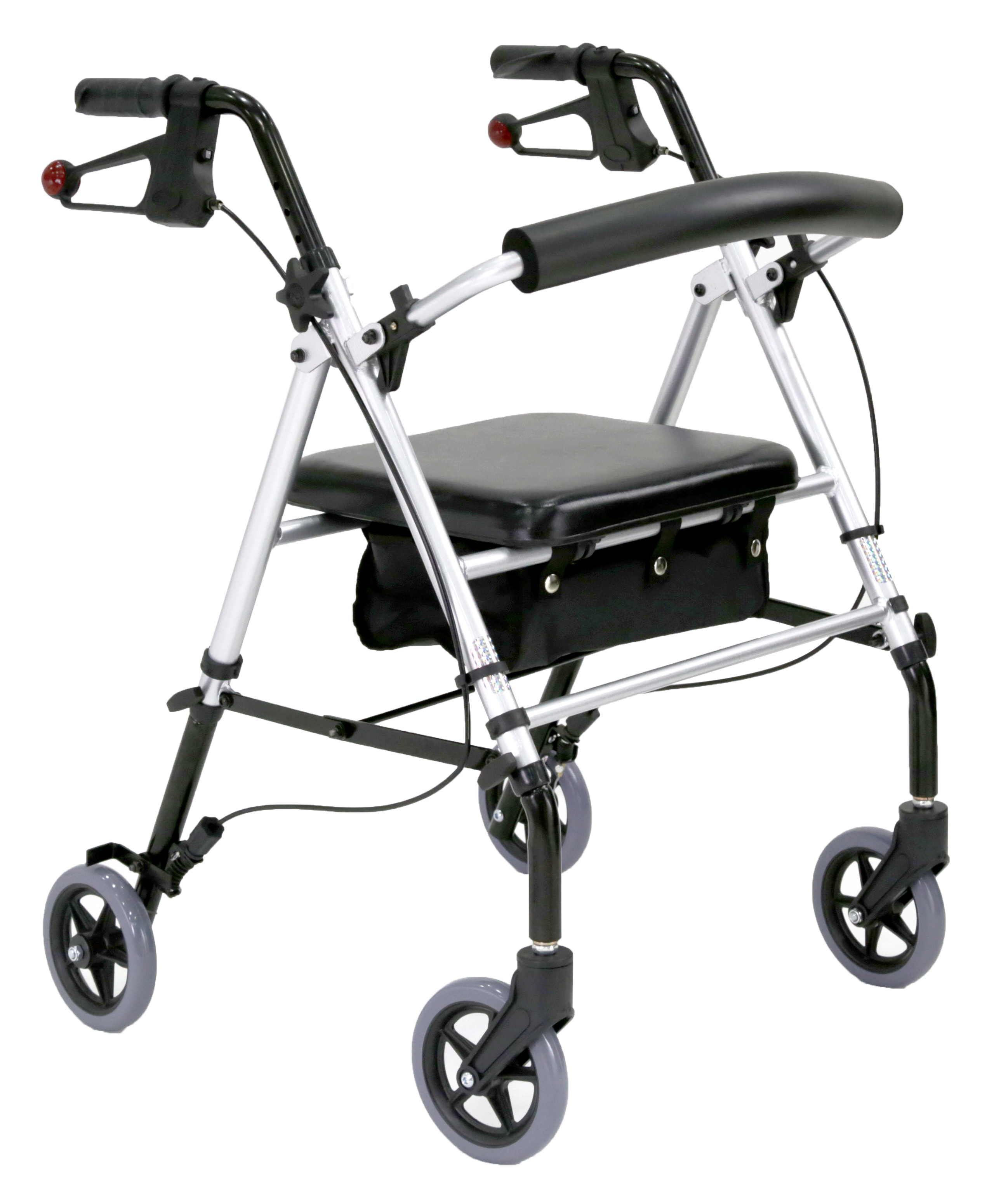
Enhancing Systematic Integration of Rollator Accessories for Better Usability
For Product Managers, Procurement Managers, and Supply Chain Professionals
In the modern healthcare setting, ensuring that rollators are delivered with the right accessories and that those accessories are systematically integrated can significantly improve patient experience and clinical workflow efficiency. Rollator accessory integration is no longer an afterthought—it has become an essential consideration in procurement, product management, and supply chain operations.
The Importance of Rollator Accessory Integration
Integrating accessories systematically streamlines device deployment, minimizes user confusion, and helps facilities maintain inventory control. A well-designed rollator accessory integration strategy ensures that end-users—both patients and clinical staff—can easily configure and adjust rollators for maximum benefit.
Standardized Attachment Systems: Compatible brackets and fasteners simplify the addition or removal of baskets, trays, and other add-ons.
Training and Documentation: Clear usage instructions and staff education reduce errors and improve compliance with care protocols.
Centralized Inventory Management: Coordinated accessory procurement and distribution lower waste and optimize cost.
These elements, when executed together, create a robust rollator accessory integration framework that supports efficiency and user satisfaction.
Implementing Systematic Rollator Accessory Integration
Assess Clinical Needs: Regularly survey staff and patients to determine which accessories provide the most value.
Develop Standard Operating Procedures: Document processes for installation, cleaning, and maintenance of accessories.
Leverage Technology: Use digital inventory systems to track accessory usage rates and optimize reorder points.
Foster Vendor Collaboration: Work with suppliers to design accessories that are easily interchangeable and upgradeable.
Continuous Improvement and Feedback
Solicit regular input from end-users and clinical leadership. Track data on accessory performance, user satisfaction, and any incidents related to integration or usability. Use this information to continually refine rollator accessory integration practices and policies.
Conclusion
Enhancing rollator accessory integration is a practical and impactful way for procurement teams and product managers to boost healthcare value, improve patient safety, and ensure operational consistency across facilities.
For more details, please visit: https://smartelderlycare.com/
rollator accessory integration, Rollator Accessory Management, Healthcare Accessory Integration, Inventory Control, Mobility Device Usability, Clinical Supply Chain Optimization



