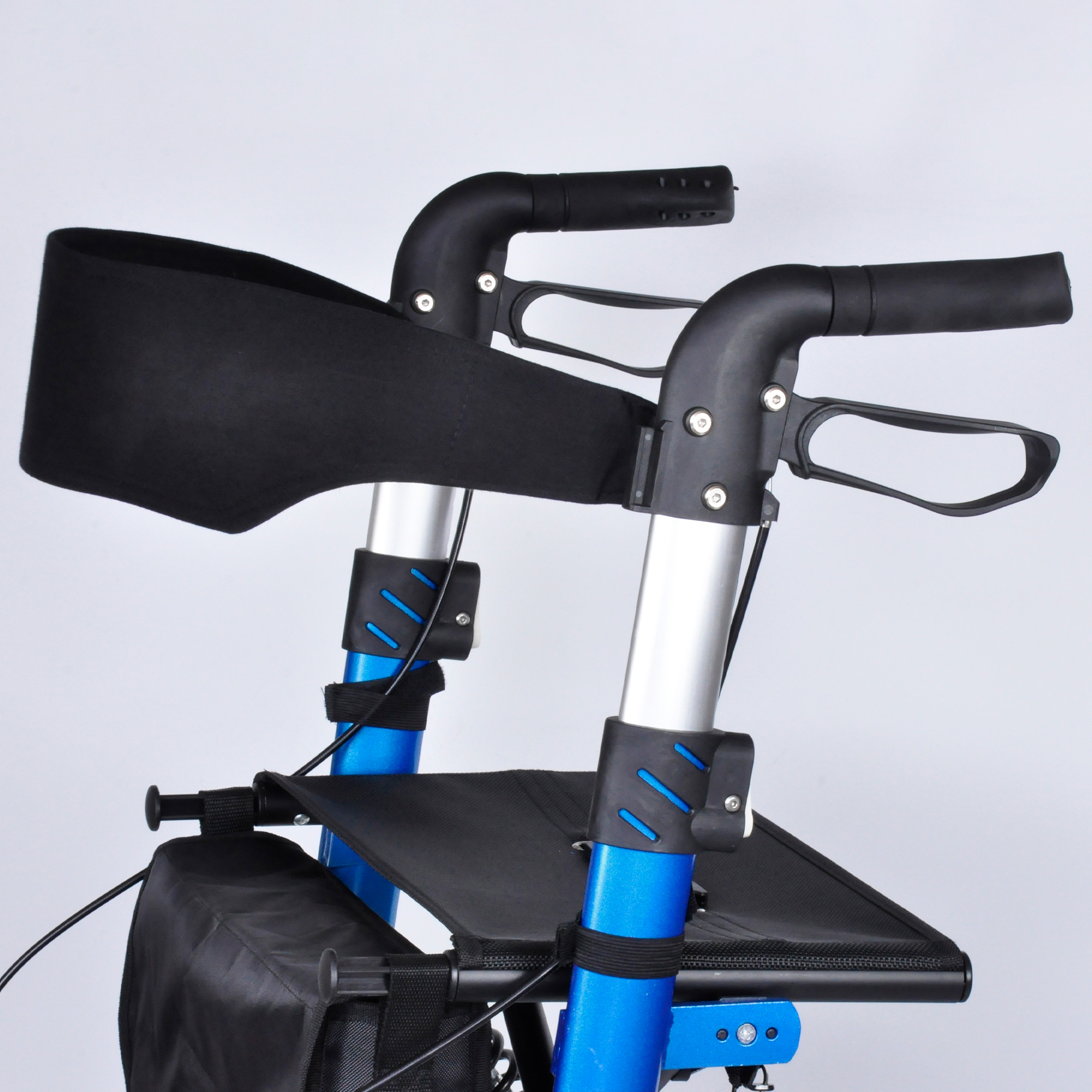
Ensuring Cost-Effectiveness in Hospital Procurement of Mobility Walkers
Hospital procurement teams must constantly balance cost-effectiveness with the need to provide the best possible care for patients. When selecting mobility walkers, hospitals must consider not only the features and quality of the walkers but also how well these walkers fit into the hospital’s overall budget. This article examines the strategies hospital procurement teams use to ensure cost-effectiveness when selecting mobility walkers while still meeting the needs of patients.
1. Prioritizing Patient Care Needs
While cost is always a consideration in procurement, patient care needs should be the primary focus. Walkers should be selected based on their ability to improve patient mobility, comfort, and independence. Hospital procurement teams must carefully evaluate the types of walkers that best meet the needs of different patient groups, such as elderly patients, those recovering from surgery, or those with chronic mobility impairments.
By focusing on the specific needs of patients, hospitals can avoid overspending on features that are not necessary for the patient population. For example, while a high-end walker with many additional features may be appealing, it may not be necessary for patients who need a basic walker for support.
2. Evaluating Walker Durability and Maintenance Costs
One way to ensure cost-effectiveness in procurement is by selecting walkers that are durable and require minimal maintenance. Walkers made from high-quality materials such as aluminum and steel may have a higher upfront cost but can save hospitals money in the long run due to their longer lifespan and reduced need for repairs or replacements.
Hospitals should evaluate the total cost of ownership (TCO) for each walker, considering both the initial purchase cost and the long-term maintenance costs. A walker with lower initial costs but frequent repairs may not be as cost-effective in the long term as a more durable walker that requires fewer repairs and lasts longer.
3. Leveraging Bulk Purchasing for Cost Savings
Hospital procurement teams can also reduce costs by purchasing walkers in bulk. Bulk purchasing allows hospitals to negotiate better prices with suppliers, as larger orders often result in discounts. This strategy can be particularly effective for hospitals with large patient populations or multiple departments in need of walkers.
By pooling orders across different departments or facilities, hospitals can take advantage of economies of scale, ensuring that they get the best possible prices without compromising on quality. Bulk purchasing also streamlines the procurement process, reducing administrative costs and making it easier to manage inventory.
4. Exploring Alternative Procurement Models
Another way to achieve cost-effectiveness in walker procurement is by exploring alternative procurement models. For example, hospitals can consider leasing walkers instead of purchasing them. Leasing allows hospitals to access high-quality walkers at a lower upfront cost, while still ensuring that the walkers are regularly maintained and replaced as needed.
Leasing models can also provide hospitals with flexibility, as they can scale up or down their walker inventory based on changing patient needs. This model can be particularly beneficial for hospitals with fluctuating patient populations or short-term needs for mobility aids.
5. Analyzing Long-Term Cost Savings
When evaluating cost-effectiveness, hospital procurement teams should consider the long-term savings associated with walkers that improve patient outcomes. Walkers that enhance patient mobility and independence can reduce the need for long-term care or rehabilitation, which can ultimately result in cost savings for the hospital.
Additionally, selecting walkers that reduce the risk of falls and injuries can prevent costly medical procedures and extended hospital stays. By focusing on the long-term benefits of mobility aids, hospital procurement teams can make decisions that result in better patient care and lower overall healthcare costs.
6. Regular Evaluation and Adjustments
Cost-effectiveness in walker procurement requires ongoing evaluation. Hospital procurement teams should regularly assess the performance of the walkers they purchase and gather feedback from patients and clinicians. This feedback can help teams make adjustments and ensure that they are continuing to select walkers that meet both cost-effectiveness goals and patient needs.
For more details, please visit: www.relaxsmithrollator.com