Hospital Procurement Best Practices for Selecting Mobility Walkers
Hospital procurement teams are tasked with ensuring that mobility aids like walkers meet patient needs while balancing budget and operational efficiency. Selecting the most suitable walkers involves evaluating features, patient needs, safety, and overall cost-effectiveness. This article outlines best practices for hospital procurement teams when selecting mobility walkers, ensuring that patient care needs and hospital efficiency are prioritized.
1. Understanding Patient Needs for Mobility Walkers
Before selecting mobility walkers, hospital procurement teams should fully understand the diverse mobility needs of their patient population. Walkers must be chosen based on the specific health conditions, mobility impairments, and recovery requirements of the patients who will be using them. For example, elderly patients may require walkers with additional stability features, while post-surgery patients may need lightweight, easy-to-use walkers to assist with their rehabilitation.
Having a thorough understanding of patient needs helps procurement teams avoid overspending on features that are unnecessary for certain patients, while also ensuring that patients receive the appropriate mobility aid to meet their individual requirements.
2. Selecting Walkers with Key Features for Patient Comfort and Safety
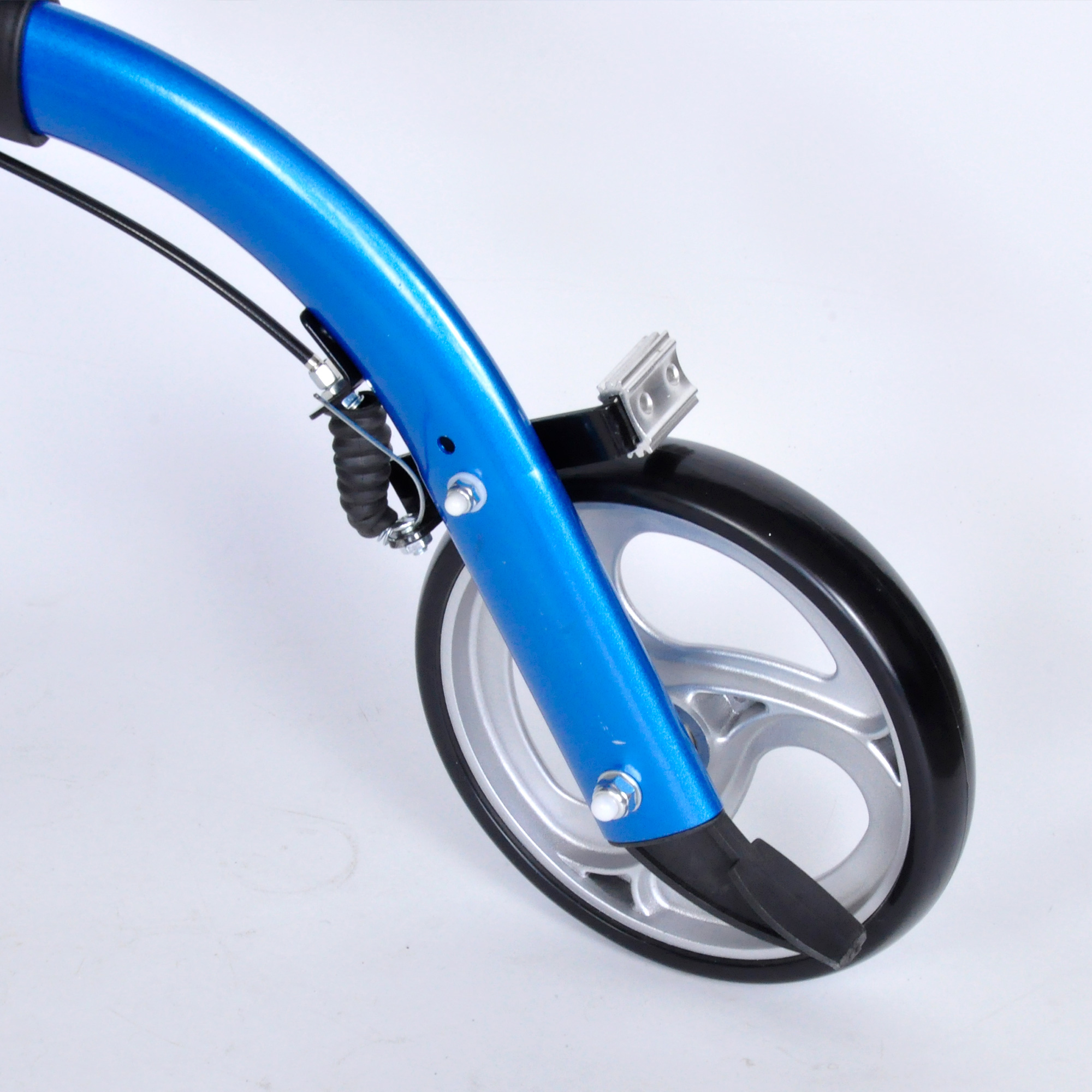
When evaluating mobility walkers, it is essential to focus on the key features that ensure patient comfort and safety. Walkers should be adjustable in height, lightweight for easy maneuverability, and feature non-slip grips and sturdy frames. Safety features such as brakes, locking mechanisms, and non-slip feet can prevent accidents and falls, which are crucial in a hospital setting.
Ergonomics is also a critical factor, as comfort can impact patient compliance. Adjustable seats or ergonomic handles should be prioritized, particularly for patients who will need to use the walker for extended periods of time.
3. Evaluating Durability and Quality for Long-Term Use
Hospital procurement teams must consider the durability and quality of the walkers they select, as these devices are often used daily and require long-term reliability. Walkers made from high-quality materials such as aluminum or steel tend to offer better durability and longer life cycles compared to cheaper alternatives. This ensures that hospitals can avoid frequent replacements and the associated costs.
It’s also important to ensure that the walkers are easy to clean and maintain. Hospital staff should be able to sanitize walkers quickly and efficiently to prevent the spread of infection, which is essential in a hospital environment.
4. Balancing Cost and Value in Procurement Decisions
Cost-effectiveness is a central concern for hospital procurement teams. Hospitals often face budget constraints, so procurement teams must balance the cost of walkers with their features, quality, and long-term value. While some high-end walkers may offer more features, the hospital must assess whether those features are necessary for patient care.
For example, if basic walkers can meet the needs of the patient population, opting for a more expensive, feature-rich walker may not be the best decision. Procurement teams should consider the total cost of ownership, including the initial purchase price, maintenance, and replacement costs.
5. Establishing a Reliable Supplier Network
Having a reliable network of suppliers is critical for ensuring that hospitals have access to high-quality walkers when needed. Hospital procurement teams should build strong relationships with suppliers who can provide walkers that meet the hospital’s specifications, while also offering competitive pricing and timely delivery.
Additionally, suppliers who provide excellent customer service and flexible warranty options can help hospitals manage their walker inventory and respond to unexpected demand spikes efficiently.
6. Regular Review and Optimization of Procurement Practices
Hospital procurement teams should regularly review and optimize their walker procurement practices. This includes evaluating how well the walkers perform, gathering feedback from patients and clinicians, and assessing inventory levels. Regular evaluations will allow hospitals to refine their procurement strategies and ensure that they continue to meet patient care needs effectively while staying within budget.
For more details, please visit: www.relaxsmithrollator.com