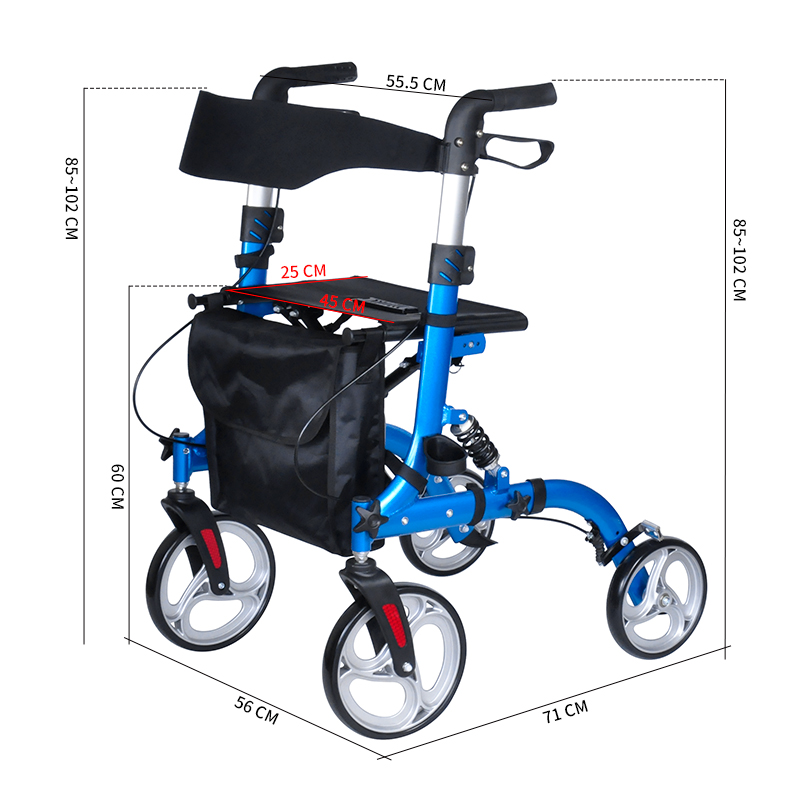
Optimizing Hospital Procurement Strategies for Mobility Walkers Using Data Analytics
Hospital procurement teams can enhance their decision-making by incorporating data analytics and feedback loops into the walker procurement process. This article explores how hospitals can leverage data analysis and patient feedback to optimize procurement strategies and ensure that the right mobility walkers are selected for patient care needs.
1. The Role of Data Analytics in Procurement Decisions
Data analytics helps hospital procurement teams make informed decisions by analyzing historical data on walker usage, patient mobility outcomes, and clinical feedback. By reviewing this data, teams can identify trends, evaluate walker performance, and predict future demand, ensuring that the procurement process is both effective and efficient.
For example, tracking which walker models have the highest patient satisfaction and mobility improvements can guide procurement decisions. Data-driven insights can also identify which features are most beneficial for specific patient groups, such as those with limited strength or mobility.
2. Collecting Patient Feedback for Better Walker Selection
Regular patient surveys, interviews, and focus groups provide valuable insights into the comfort, usability, and effectiveness of different walker models. By integrating patient feedback into procurement decisions, hospitals can select walkers that are more likely to meet patient needs and improve patient outcomes.
Feedback helps procurement teams understand which walker features are most important, such as adjustable handles, weight capacity, and ease of maneuverability. This ensures that walkers selected for patients align with their preferences and enhance mobility.
3. Incorporating Clinical Feedback into Procurement Strategies
Clinical feedback from physical therapists, rehabilitation specialists, and other healthcare providers is crucial for ensuring that mobility walkers meet the therapeutic needs of patients. By consulting with clinicians, procurement teams can prioritize walkers that offer the most support and promote rehabilitation.
Clinicians can also offer insights into which walker features are necessary for improving patient balance, posture, and mobility. This helps hospitals select walkers that will aid in patient recovery and provide the necessary support for rehabilitation.
4. Creating a Feedback Loop for Continuous Improvement
Incorporating continuous feedback into the procurement process ensures that hospitals can refine their walker selection criteria over time. By regularly collecting data and feedback from patients and clinicians, hospitals can make necessary adjustments to procurement strategies and ensure that they are meeting patient care needs effectively.
Feedback loops allow procurement teams to track the effectiveness of selected walkers, identify potential issues early on, and make informed decisions for future procurement cycles.
5. Using Data to Optimize Procurement Timing and Inventory Management
Data analytics can also help optimize procurement timing and inventory management. By analyzing past usage patterns, hospitals can predict future demand for mobility walkers and ensure that they have the right inventory at the right time.
Effective inventory management helps prevent shortages or overstocking of walkers, reducing costs and ensuring that patients have timely access to the mobility aids they need for rehabilitation and recovery.
For more details, please visit: www.relaxsmithrollator.com