





Procurement Standards: Selecting Rollators with Verified Stability Features
For procurement professionals, ensuring safety and reliability in mobility devices is a top priority. Stability is one of the most important performance indicators when sourcing rollators for healthcare facilities, logistics teams, and senior living communities. Procurement decisions should be guided by standards and evidence-based evaluations to confirm whether a product can withstand daily demands. This article explains how procurement managers can select rollators with verified stability features, and why learning how to ensure my rollator is stable before I lean on it is critical for both end-users and decision-makers.
Defining Stability in Procurement Terms
Stability refers to the ability of a rollator to remain balanced under load, resist tipping, and maintain a secure frame structure. Procurement teams must look for technical specifications that guarantee stability in real-world scenarios. These include brake efficiency, weight capacity, wheel base width, and resistance testing. In addition, suppliers should provide certifications verifying compliance with healthcare and workplace safety regulations.
Key Features to Evaluate During Selection
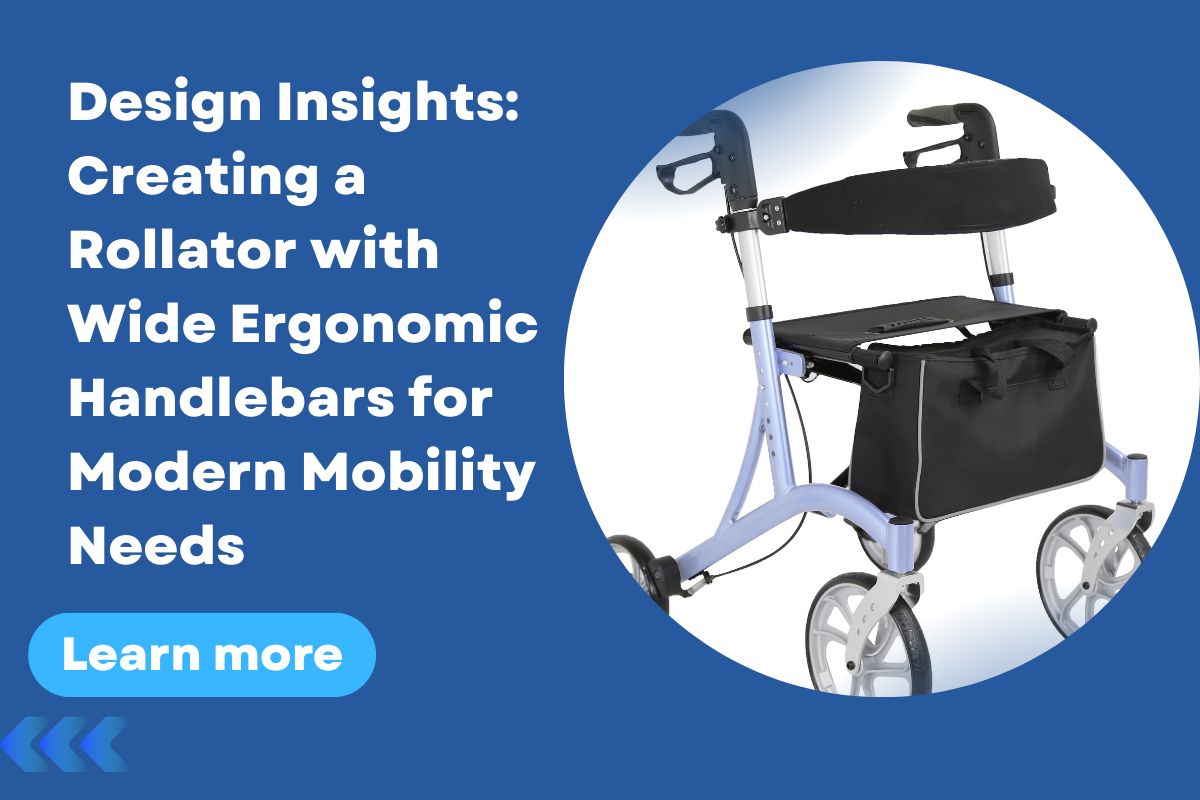
Brake Systems: Strong, easy-to-use brakes that hold the rollator firmly in place on flat and inclined surfaces.
Wheel Design: Wide, durable wheels designed to minimize slipping and improve surface contact.
Frame Reinforcement: Welded joints, steel or aluminum construction, and stability testing under maximum load.
Weight Capacity: Verified user weight limits with margins for equipment and workplace gear.
Compliance: Certifications from international safety organizations, such as ISO or CE marking.
These features ensure procurement managers are not just buying equipment, but investing in safer workplace mobility.
The Cost-Benefit Equation
While cheaper models may appear attractive at first glance, the long-term risks of unstable rollators far outweigh initial savings. Workplace accidents, employee injuries, and regulatory non-compliance can lead to higher costs in healthcare claims and legal liabilities. By selecting rollators with proven stability, organizations reduce risks and ensure that employees always know how to ensure my rollator is stable before I lean on it in daily operations.
Supplier Partnerships and Verification
Procurement managers should establish strong partnerships with suppliers who can demonstrate testing protocols, provide product samples, and deliver third-party verification. Site visits, trial programs, and pilot studies offer procurement teams valuable insights into how rollators perform in practice. Choosing vendors who prioritize safety and transparency strengthens both procurement strategies and workplace outcomes.
Training and Integration Post-Procurement
Even the most stable rollators require correct use to be effective. Post-procurement strategies must include staff training and user guidelines. Procurement leaders should collaborate with safety officers to implement training that reinforces inspection routines, braking checks, and user posture. This ensures every professional understands how to ensure my rollator is stable before I lean on it, reducing liability and fostering a safety-first culture.
Conclusion
Procurement standards for rollator stability must go beyond price and availability. By focusing on verified features, certifications, and supplier transparency, organizations safeguard their teams and ensure long-term efficiency. A stable rollator is not simply a device—it is a foundation for safe, ergonomic, and productive workplaces.
SEO Keywords (40 groups for this series)
Rollator procurement standards
How can I ensure my rollator is stable before I lean on it
Stability verified rollator
Procurement safety guidelines
Certified stable mobility device
Healthcare rollator procurement
Supply chain stable rollator
Compliance verified mobility aid
Durable procurement rollator
ISO certified rollator
Workplace stability rollator
Rollator stability certification
Hospital-grade stable rollator
Professional procurement checklist
Stable workplace mobility device
Accident prevention rollator
Staff safety rollator training
Ergonomic procurement standards
Braking efficiency rollator
Compliance procurement mobility
Logistics stability rollator
Supplier verification rollator
Procurement risk reduction
Long-term ROI stable rollator
Healthcare compliant procurement
Safe workplace mobility device
Pre-use stability procurement
Hospital procurement standards
Professional mobility safety
Reliable rollator procurement
Workplace mobility compliance
Procurement injury prevention
Stable supply chain rollator
Safety verified rollator
Ergonomic workplace procurement
Third-party tested rollator
Staff safety equipment procurement
Productivity focused rollator
Future-ready stable rollator
Accident-free procurement mobility
Tags:
Rollator procurement standards, How can I ensure my rollator is stable before I lean on it, Stability verified rollator, Procurement safety guidelines, Certified stable mobility device, Healthcare rollator procurement, Supply chain stable rollator, Compliance verified mobility aid, Durable procurement rollator, ISO certified rollator, Workplace stability rollator, Rollator stability certification, Hospital-grade stable rollator, Professional procurement checklist, Stable workplace mobility device, Accident prevention rollator, Staff safety rollator training, Ergonomic procurement standards, Braking efficiency rollator, Compliance procurement mobility, Logistics stability rollator, Supplier verification rollator, Procurement risk reduction, Long-term ROI stable rollator, Healthcare compliant procurement, Safe workplace mobility device, Pre-use stability procurement, Hospital procurement standards, Professional mobility safety, Reliable rollator procurement, Workplace mobility compliance, Procurement injury prevention, Stable supply chain rollator, Safety verified rollator, Ergonomic workplace procurement, Third-party tested rollator, Staff safety equipment procurement, Productivity focused rollator, Future-ready stable rollator, Accident-free procurement mobility