





Reducing Accidents: The Role of Rollator Stability in Healthcare and Logistics
Accidents involving rollators can have serious consequences, especially in high-demand sectors such as healthcare and logistics. Patients, residents, and employees rely on these devices for mobility, and any failure in stability may result in falls, injuries, or workflow disruptions. For procurement managers and safety leaders, it is critical to address stability as a key factor in workplace accident prevention. This article explores the essential role of rollator stability in accident reduction and why professionals must understand how to ensure my rollator is stable before I lean on it in real-world scenarios.
The Cost of Instability in Healthcare and Logistics
In healthcare facilities, an unstable rollator can compromise patient rehabilitation, cause delays in care, and increase liability. In logistics operations, instability may lead to employee injuries, product damage, and costly work interruptions. Each accident represents not only a safety issue but also a direct financial impact. Teaching employees to ensure my rollator is stable before I lean on it is one of the simplest and most effective measures to reduce such incidents.
Core Stability Features for Accident Prevention
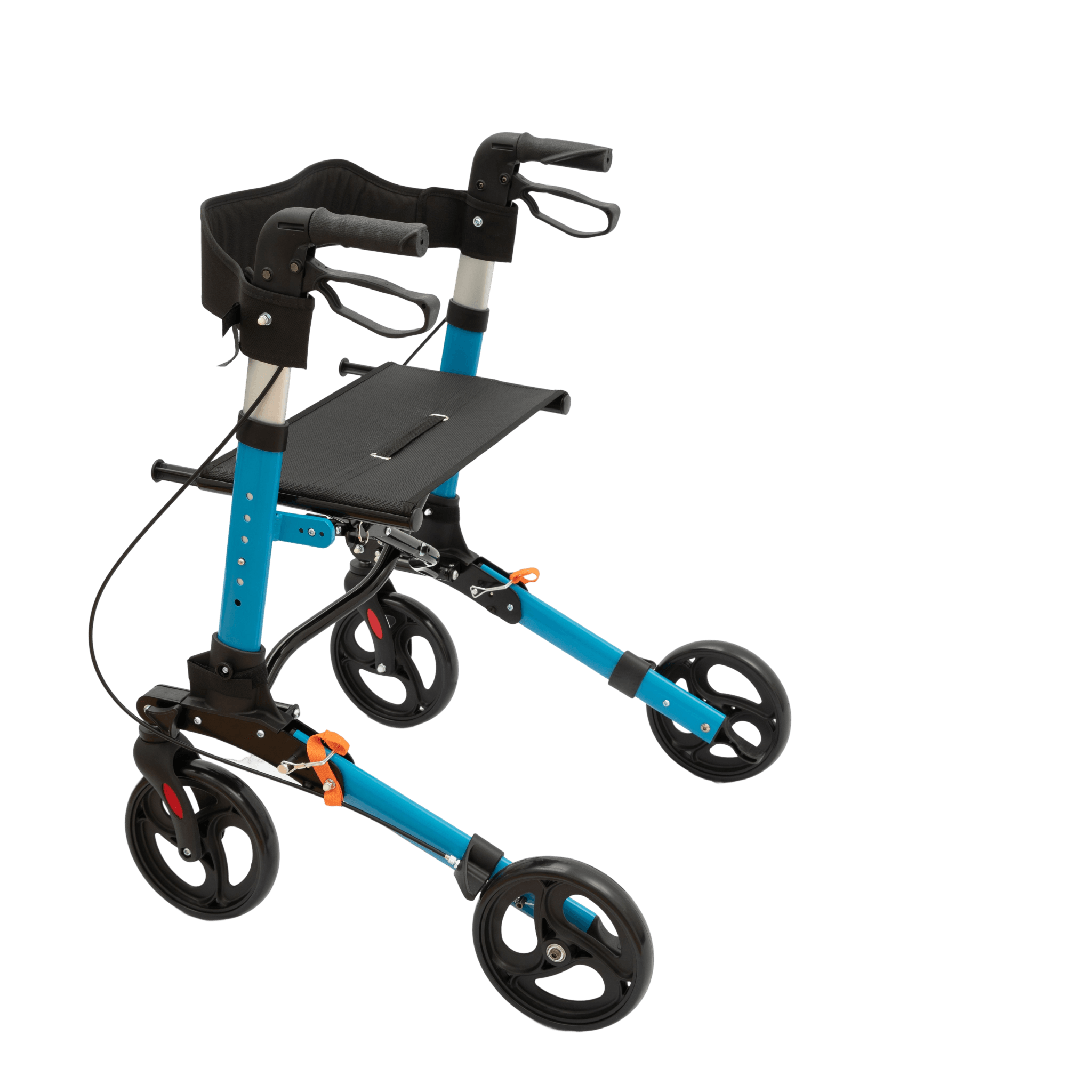
Wheel Locks: Reliable brakes that prevent unwanted movement on flat or inclined surfaces.
Frame Strength: Reinforced materials that withstand daily wear, heavy use, and uneven terrain.
Wide Base: A broader wheelbase that provides balance and minimizes tipping risks.
Surface Adaptability: Wheels designed for indoor and outdoor use, ensuring consistent stability.
Load Management: Capacity to carry medical equipment, tools, or goods without destabilizing the rollator.
Procurement professionals should prioritize these specifications during evaluations to minimize risks across industries.
Training and Workplace Protocols
Stability is not guaranteed by design alone—it depends on proper usage. Workplace protocols must emphasize regular pre-use checks, such as verifying brakes, ensuring even ground, and inspecting the frame. Training programs should simulate real-world environments, teaching staff how to ensure my rollator is stable before I lean on it, especially during fast-paced logistics operations or high-stress healthcare settings. Embedding these practices into shift handovers and daily routines builds a strong safety culture.
Accident Reduction Through Data and Monitoring
Data-driven monitoring strengthens accident prevention strategies. Facilities and organizations should track rollator-related incidents, identify high-risk areas, and evaluate equipment performance. Procurement leaders can use this data to refine purchasing criteria, while safety managers can design targeted interventions. Continuous monitoring ensures stability remains a measurable factor in workplace safety outcomes.
Conclusion
Reducing accidents in healthcare and logistics requires more than compliance—it demands proactive stability management. From procurement strategies to workplace training, every step should reinforce stability as the foundation of mobility safety. By prioritizing equipment features, embedding training, and monitoring outcomes, organizations reduce risks, safeguard employees, and protect operational efficiency. The ability to ensure my rollator is stable before I lean on it is not just a personal habit—it is a professional standard that saves lives and resources.
SEO Keywords (40 groups for this series)
Rollator accident prevention
How can I ensure my rollator is stable before I lean on it
Healthcare rollator stability
Logistics rollator safety
Stable workplace mobility aid
Procurement safety rollator
Wide base rollator stability
Reinforced frame rollator
Hospital-grade stable rollator
Staff mobility safety device
Operational safety rollator
Workplace safety mobility device
Accident-free rollator use
Daily rollator safety check
Supply chain rollator stability
Healthcare accident reduction
Rollator workplace compliance
Logistics accident-free mobility
Ergonomic stable rollator
Durable accident prevention rollator
Workplace fall prevention
Stable wheel mobility aid
Staff safety training rollator
Rollator safety data monitoring
High demand workplace rollator
Safe logistics mobility aid
Patient rehabilitation rollator
Load capacity stability rollator
Rollator accident metrics
Healthcare compliance mobility
Accident prevention workplace device
Staff confidence rollator
Hospital rollator safety protocol
Workplace mobility safety training
Rollator usage safety audit
Smart procurement rollator safety
Productivity protection rollator
Workplace safety mobility solution
Innovative accident prevention rollator
Long-term stable rollator investment
Tags:
Rollator accident prevention, How can I ensure my rollator is stable before I lean on it, Healthcare rollator stability, Logistics rollator safety, Stable workplace mobility aid, Procurement safety rollator, Wide base rollator stability, Reinforced frame rollator, Hospital-grade stable rollator, Staff mobility safety device, Operational safety rollator, Workplace safety mobility device, Accident-free rollator use, Daily rollator safety check, Supply chain rollator stability, Healthcare accident reduction, Rollator workplace compliance, Logistics accident-free mobility, Ergonomic stable rollator, Durable accident prevention rollator, Workplace fall prevention, Stable wheel mobility aid, Staff safety training rollator, Rollator safety data monitoring, High demand workplace rollator, Safe logistics mobility aid, Patient rehabilitation rollator, Load capacity stability rollator, Rollator accident metrics, Healthcare compliance mobility, Accident prevention workplace device, Staff confidence rollator, Hospital rollator safety protocol, Workplace mobility safety training, Rollator usage safety audit, Smart procurement rollator safety, Productivity protection rollator, Workplace safety mobility solution, Innovative accident prevention rollator, Long-term stable rollator investment



