





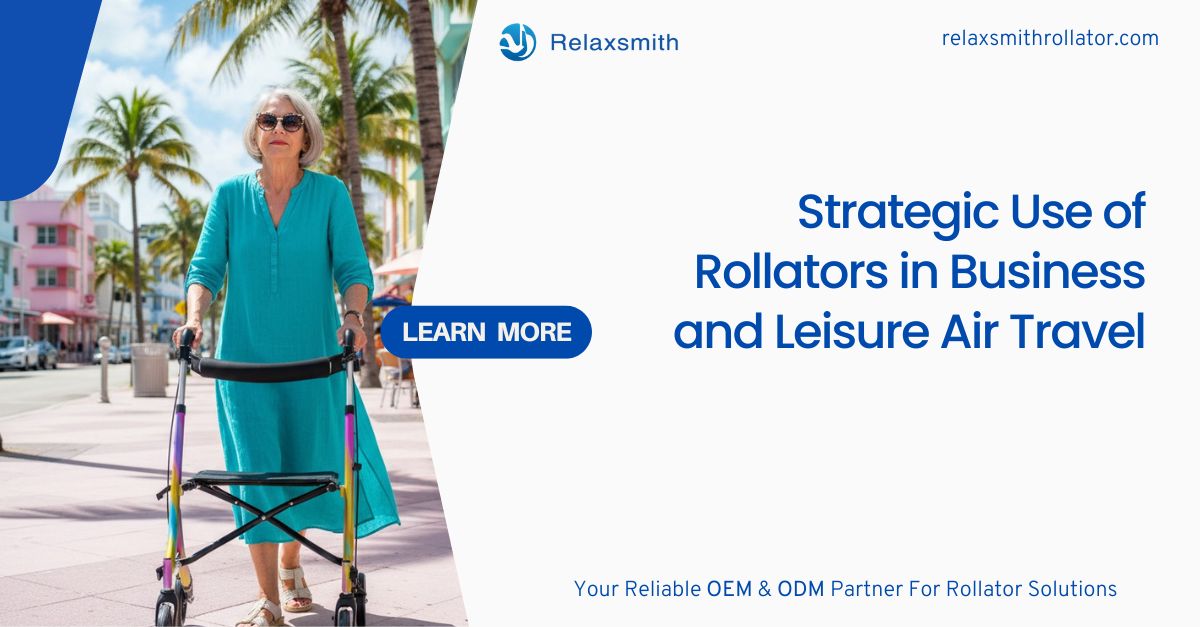
Reducing Musculoskeletal Injuries: Handle Height Adjustments for Active Professionals
Musculoskeletal injuries remain one of the leading causes of absenteeism and reduced productivity in professional environments. From logistics to healthcare, employees often depend on mobility devices like rollators to stay active during demanding shifts. One of the most overlooked risk factors is improper handle height, which can create back strain, poor posture, and long-term injury. This article examines how proper adjustments reduce risks, explaining how I find the perfect handle height to avoid back pain and why procurement managers must prioritize adjustable rollators for active professionals.
Understanding Musculoskeletal Risks
Musculoskeletal disorders (MSDs) affect the muscles, joints, and spine, and are frequently caused by repetitive strain or poor ergonomics. When rollator handles are too low, users hunch forward, increasing pressure on the lumbar spine. If handles are too high, tension builds in the shoulders and neck. In both cases, prolonged use creates discomfort and potential injury. Knowing how I find the perfect handle height to avoid back pain is essential for prevention in professional workplaces.
The Role of Handle Height in Ergonomics
Proper handle height keeps the body aligned, allowing users to walk upright with relaxed shoulders. This reduces strain on the spine and distributes weight evenly across the body. Ergonomic studies recommend that handles align with the crease of the wrist when arms rest naturally at the sides. For procurement professionals, rollators with adjustable handles provide the flexibility needed to fit diverse workforces, reducing the risks of MSDs significantly.
Practical Adjustments for Professionals
Adjustments should be simple and intuitive. Rollators with quick-release mechanisms enable users to set their handle height in seconds, ensuring comfort even in fast-paced environments. Training staff on correct adjustments is equally important, as ergonomic benefits only apply when equipment is used properly. Active professionals need solutions that integrate seamlessly into their workflows without interrupting productivity.
Procurement Strategies to Reduce Injuries
Procurement managers have a responsibility to select equipment that minimizes injury risks. This involves assessing product specifications, consulting ergonomic experts, and running pilot programs with employees. Choosing rollators with robust adjustment ranges and durable frames is key. By investing in ergonomic devices, procurement leaders demonstrate commitment to workforce well-being while reducing long-term healthcare costs.
The Cost of Ignoring Ergonomics
Organizations that overlook ergonomics often face rising compensation claims, increased sick leave, and reduced employee morale. While cheaper walkers may appear cost-effective initially, their lack of adjustability creates hidden expenses in the form of injuries and downtime. Adjustable rollators, in contrast, offer measurable ROI by preventing MSDs, boosting productivity, and improving compliance with workplace safety standards.
Conclusion
Reducing musculoskeletal injuries requires proactive ergonomic solutions. Rollators with adjustable handle heights empower users to maintain proper posture, avoid strain, and work comfortably throughout the day. Procurement managers should integrate these features into purchasing strategies, ensuring every professional knows how I find the perfect handle height to avoid back pain. By doing so, organizations safeguard health, improve efficiency, and reduce long-term costs.
SEO Keywords (40 groups for this series)
Musculoskeletal injury prevention
How do I find the perfect handle height to avoid back pain
Workplace ergonomic rollator
Procurement injury prevention devices
Adjustable handle rollator
Back pain workplace solution
Staff ergonomic safety
Active professional mobility device
Healthcare ergonomic equipment
Logistics injury prevention rollator
Spinal health mobility solution
Posture correction rollator
Staff productivity ergonomic device
Procurement ergonomic ROI
Durable adjustable workplace walker
Compliance ergonomic rollator
Hospital injury prevention mobility aid
Workplace fatigue prevention rollator
Ergonomic safety procurement
Long-term workforce mobility
Customizable ergonomic walker
Future-ready injury prevention
Back health workplace rollator
Staff wellness ergonomic solution
Occupational health rollator
Supply chain safety mobility device
Professional-grade ergonomic rollator
Rollator injury prevention features
Mobility device ergonomic guide
Workplace safety compliance rollator
Active workforce ergonomic solution
Ergonomic posture support rollator
Procurement musculoskeletal strategy
Healthcare ergonomic procurement
Workplace comfort rollator
Rollator cost-efficiency ergonomics
Hospital-grade injury prevention
Innovative ergonomic mobility aid
Staff injury reduction rollator
Back support workplace rollator
Tags:
Musculoskeletal injury prevention, How do I find the perfect handle height to avoid back pain, Workplace ergonomic rollator, Procurement injury prevention devices, Adjustable handle rollator, Back pain workplace solution, Staff ergonomic safety, Active professional mobility device, Healthcare ergonomic equipment, Logistics injury prevention rollator, Spinal health mobility solution, Posture correction rollator, Staff productivity ergonomic device, Procurement ergonomic ROI, Durable adjustable workplace walker, Compliance ergonomic rollator, Hospital injury prevention mobility aid, Workplace fatigue prevention rollator, Ergonomic safety procurement, Long-term workforce mobility, Customizable ergonomic walker, Future-ready injury prevention, Back health workplace rollator, Staff wellness ergonomic solution, Occupational health rollator, Supply chain safety mobility device, Professional-grade ergonomic rollator, Rollator injury prevention features, Mobility device ergonomic guide, Workplace safety compliance rollator, Active workforce ergonomic solution, Ergonomic posture support rollator, Procurement musculoskeletal strategy, Healthcare ergonomic procurement, Workplace comfort rollator, Rollator cost-efficiency ergonomics, Hospital-grade injury prevention, Innovative ergonomic mobility aid, Staff injury reduction rollator, Back support workplace rollator