



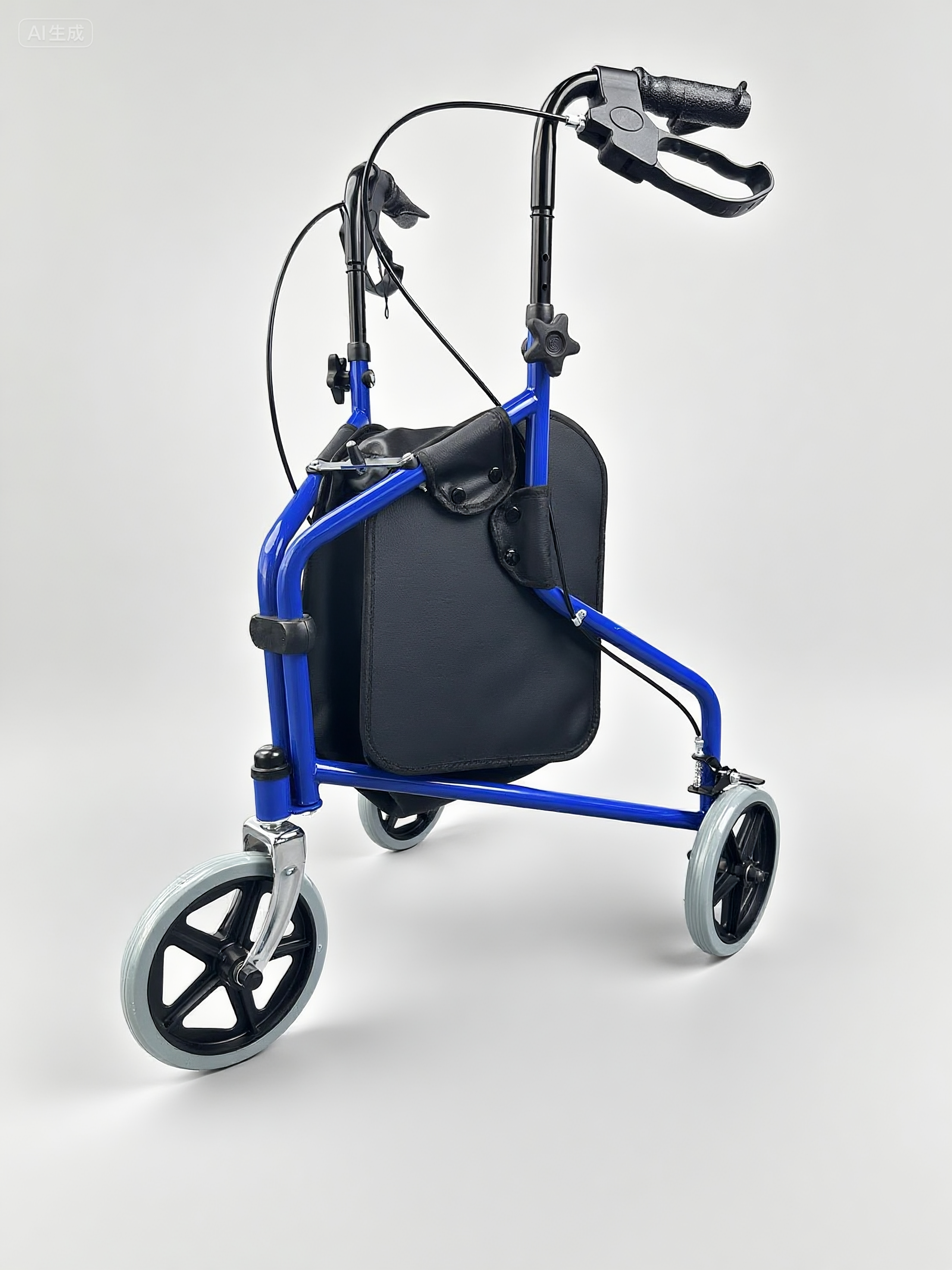
A Comparison of Classic and Ergonomic Rollator Styles
Understanding Design Evolution, Performance, and Market Value
Introduction: From Classic Design to Ergonomic Innovation
The rollator, an essential mobility aid for elderly and rehabilitation users, has undergone remarkable transformation. Traditional or classic designs, long considered industry staples, are now being reevaluated against ergonomic rollator models that prioritize human-centered engineering. This article offers a strategic analysis aimed at product managers, supply chain professionals, and healthcare manufacturers seeking to align product performance with evolving market expectations.
Classic Rollator Styles: Functionality Rooted in Simplicity
Classic rollators have historically emphasized mechanical reliability, cost control, and ease of production. Built from durable steel or aluminum alloys, they often feature fixed handles, non-padded grips, and minimal adjustability. Their production workflows are optimized for scalability and affordability, making them popular among institutional buyers and government healthcare programs.
However, simplicity has its drawbacks. Limited adaptability often leads to posture strain and fatigue among long-term users. The aesthetic appeal of classic rollators also tends to lag behind modern ergonomic alternatives, which now cater to both medical and lifestyle needs.
Ergonomic Rollator Styles: Redefining the User Experience
Ergonomic rollators integrate design thinking with medical functionality. Adjustable handles, lightweight frames, contoured grips, and posture-aligned geometry are key features that improve both comfort and safety. These models not only enhance usability but also empower brands to differentiate themselves in a competitive market through innovation.
For procurement teams, this evolution means partnering with suppliers skilled in advanced materials and precision engineering. Components like reinforced joints, anti-slip handles, and modular accessories introduce higher production complexity but yield greater value over time through customer satisfaction and reduced warranty claims.
Side-by-Side Comparison: Classic vs. Ergonomic Rollators
Frame Material: Classic rollators use steel or aluminum; ergonomic ones use carbon fiber or magnesium alloy.
Weight: Classic 9–11 kg vs. Ergonomic 5–7 kg.
Handle Design: Classic fixed and straight; ergonomic angled and height-adjustable.
User Posture: Classic encourages slight forward lean; ergonomic promotes upright stance.
Market Position: Classic—mass market; ergonomic—premium lifestyle healthcare.
Strategic Implications for Product Managers
For product managers, understanding these design contrasts enables informed decision-making. Ergonomic rollators cater to emerging consumer priorities — comfort, aesthetics, and functionality — that traditional models often overlook. Incorporating ergonomic elements into mid-range product lines may deliver competitive advantage while maintaining scalability.
Additionally, integrating customer feedback loops into R&D can bridge the gap between user experience and manufacturing feasibility. Tools like CAD-based ergonomic modeling and digital simulation are becoming indispensable in modern rollator development pipelines.
Supply Chain and Cost Considerations
Transitioning toward ergonomic rollators necessitates changes in supplier qualification and quality management. Lightweight materials and complex assembly require tighter process control and advanced testing protocols. Although the initial investment may rise by 15–25%, the resulting reduction in warranty claims and improved market differentiation offset these costs over time.
Partnerships with global component specialists can ensure consistent supply, while adopting lean production methodologies minimizes waste. For procurement professionals, forecasting demand for ergonomic models accurately will be key to balancing inventory levels with innovation cycles.
Conclusion: The Next Era of Rollator Design
The comparison between classic and ergonomic rollator styles highlights a defining trend: mobility aids are evolving from basic support tools into personalized health solutions. As healthcare markets mature, user experience and ergonomic optimization will define product success. For manufacturers, adopting a hybrid approach — blending the reliability of classic engineering with the innovation of ergonomic design — may offer the best path forward.
Ultimately, this shift underscores a larger principle: the future of medical mobility is not just about function, but about empathy-driven design.
SEO Keywords (40 sets)
classic rollator comparison, ergonomic rollator benefits, mobility aid evolution, healthcare equipment innovation, adjustable handle walker, posture-friendly rollator, aluminum vs carbon rollator, ergonomic product strategy, medical device procurement, rollator product analysis, healthcare supply chain trends, human-centered design healthcare, modern walker technology, sustainable rollator production, ergonomic frame design, user experience in mobility aids, healthcare product engineering, senior care innovation, medical mobility optimization, rollator comfort comparison, product differentiation medical devices, ergonomic performance study, lightweight healthcare rollator, posture improvement equipment, healthcare R&D strategy, rollator frame analysis, traditional vs ergonomic rollator, adaptive mobility technology, innovation in healthcare tools, supply chain in medical manufacturing, ergonomic material sourcing, user-focused healthcare products, industrial design healthcare, rollator quality management, carbon fiber medical device, healthcare innovation framework, senior mobility evolution, rollator manufacturing efficiency, ergonomic healthcare solutions, future of mobility aids.
Tags (20 sets)
classic rollator, ergonomic rollator, product design, mobility innovation, healthcare supply chain, senior mobility, ergonomic posture, aluminum walker, carbon fiber rollator, product management, procurement strategy, healthcare equipment, lightweight design, modern mobility aid, medical device trend, ergonomic adjustment, rollator technology, healthcare engineering, market innovation, mobility design strategy.
READ MORE: