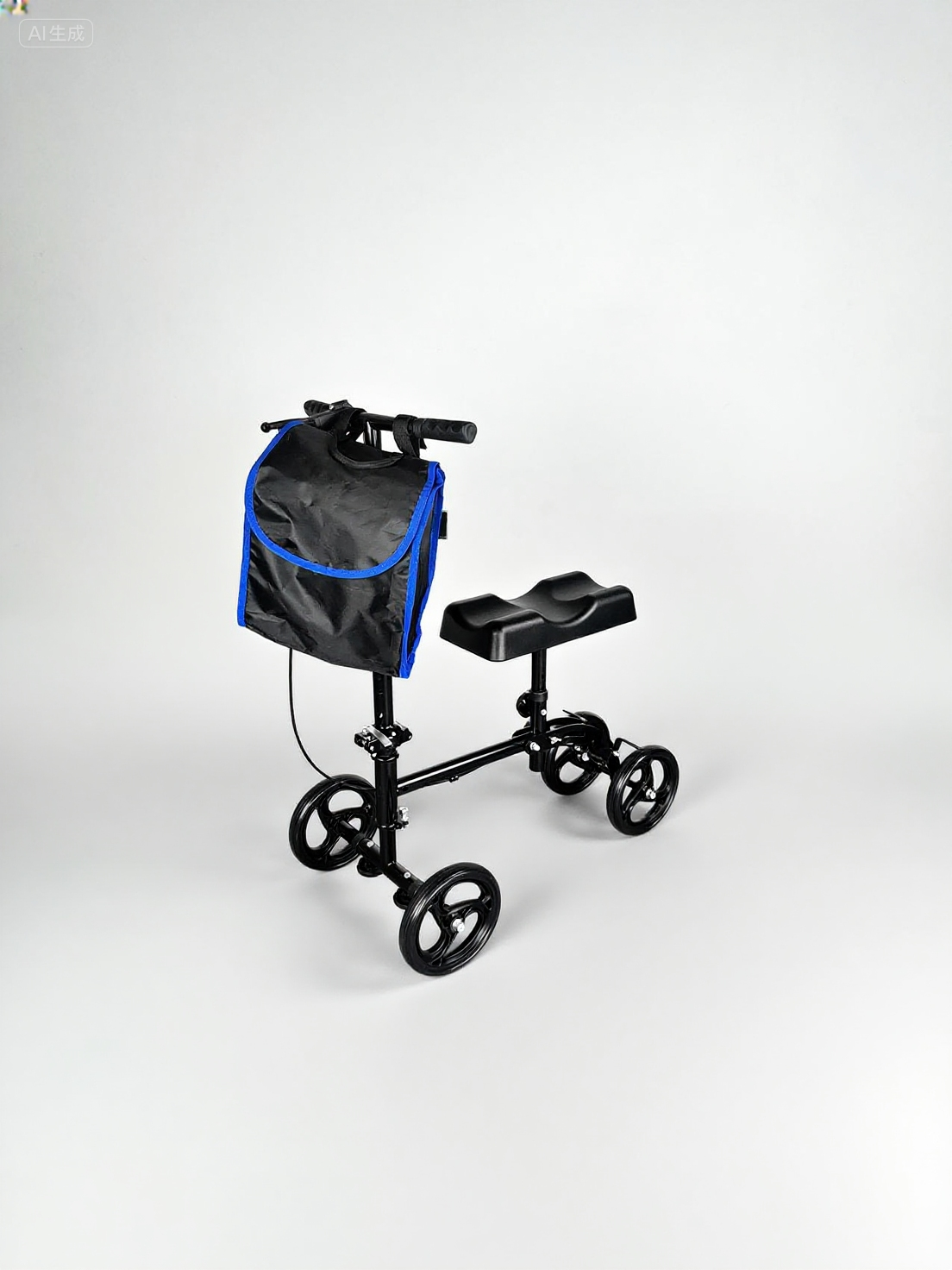
Comparing Traditional Rollators with Ergonomic Models
A Comprehensive Guide for Product Managers and Supply Chain Professionals
Introduction: Why the Rollator Design Debate Matters
The global mobility aid industry has evolved rapidly over the past decade. Among the most significant innovations are the ergonomic rollator models, which challenge the dominance of traditional rollator designs. For product managers and supply chain executives, understanding the functional, economic, and user-driven distinctions between traditional and ergonomic rollators is crucial to making informed procurement and design decisions.
Traditional Rollator Designs: Reliability Meets Familiarity
Traditional rollators are built with stability and affordability in mind. Typically featuring a steel frame, fixed handles, and standard wheel structures, they have been the go-to choice for decades.
Their advantages include straightforward maintenance, predictable performance, and compatibility with existing production lines.
However, as user expectations evolve, limitations such as poor posture alignment and limited adjustability have become more apparent.
From a supply chain standpoint, traditional rollators benefit from established supplier networks and standardized components, reducing lead times and production costs. Yet, as the industry shifts toward user comfort and ergonomics, reliance solely on legacy designs may restrict market competitiveness.
Ergonomic Rollators: Redefining User Experience
Ergonomic rollators are designed with human biomechanics in mind. Features like adjustable grips, angled handles, lightweight aluminum frames, and posture-friendly height settings distinguish these models from their traditional counterparts.
Beyond comfort, ergonomic rollators often contribute to better mobility outcomes, minimizing wrist strain and improving walking stability for elderly users.
For procurement teams, the move toward ergonomic solutions presents both challenges and opportunities. The sourcing of specialized components—such as ergonomic handle materials and advanced joint mechanisms—can elevate unit costs but also open new market segments focused on premium healthcare solutions.
Comparative Analysis: Traditional vs. Ergonomic Rollators
Weight and Portability: Traditional rollators average 9–11 kg, while ergonomic models weigh as little as 6 kg, offering better portability and storage options.
Material and Durability: Steel frames dominate traditional designs, whereas ergonomic rollators use lightweight alloys and carbon composites.
Adjustability: Ergonomic models provide multi-axis handle adjustments, promoting personalized use.
Cost Efficiency: Traditional rollators remain cost-effective in bulk procurement, but ergonomic models yield better long-term value through user satisfaction and reduced warranty claims.
Market Appeal: Ergonomic rollators align with modern healthcare trends emphasizing comfort, safety, and design innovation.
Insights for Product Managers and Supply Chain Executives
Product managers should prioritize data-driven evaluations when deciding between traditional and ergonomic rollators. This includes analyzing customer feedback loops, production scalability, and material sourcing flexibility.
Meanwhile, supply chain leaders can explore hybrid models—combining traditional structural strength with ergonomic design cues—to bridge both markets effectively.
Furthermore, sustainability plays an increasing role. Ergonomic rollators designed with recyclable materials and modular components support circular supply chain models, reducing environmental impact while enhancing brand credibility.
Conclusion: The Future of Rollator Innovation
The transition from traditional to ergonomic rollators represents a natural evolution driven by user-centric innovation. For industry professionals, embracing ergonomic design principles is not just about comfort—it’s a strategic decision that aligns with global market trends in aging care, healthcare accessibility, and design excellence.
SEO Keywords (40 sets)
Traditional vs ergonomic rollator, ergonomic rollator comparison, lightweight mobility aid, advanced rollator design, healthcare mobility trends, product manager guide rollator, supply chain optimization medical devices, adjustable rollator handle, carbon frame rollator, aluminum mobility walker, ergonomic healthcare product design, rollator frame durability, compact senior walker, rollator innovation analysis, ergonomic walking frame, rollator with posture support, comfort grip rollator handle, traditional rollator review, senior walking solutions, mobility aid procurement, healthcare equipment sourcing, user-centric rollator design, posture improvement rollator, modern rollator construction, medical mobility supply chain, ergonomic walking assistant, foldable ergonomic rollator, rollator for healthcare facilities, durable senior walker, adjustable height rollator, ergonomic safety brakes rollator, lightweight healthcare mobility aid, rollator production strategy, comparative analysis rollator, ergonomic mobility evolution, healthcare innovation walker, industrial design rollator trends, aging population mobility, sustainable rollator production, medical device ergonomics.
Tags (20 sets)
ergonomic rollator, traditional rollator, rollator design, mobility aid, healthcare procurement, aluminum walker, carbon rollator, medical device innovation, product management, supply chain strategy, senior mobility, ergonomic handle, lightweight rollator, posture support, compact walker, healthcare market trend, modern mobility aid, ergonomic walking frame, rollator comparison, mobility innovation.
READ MORE: