



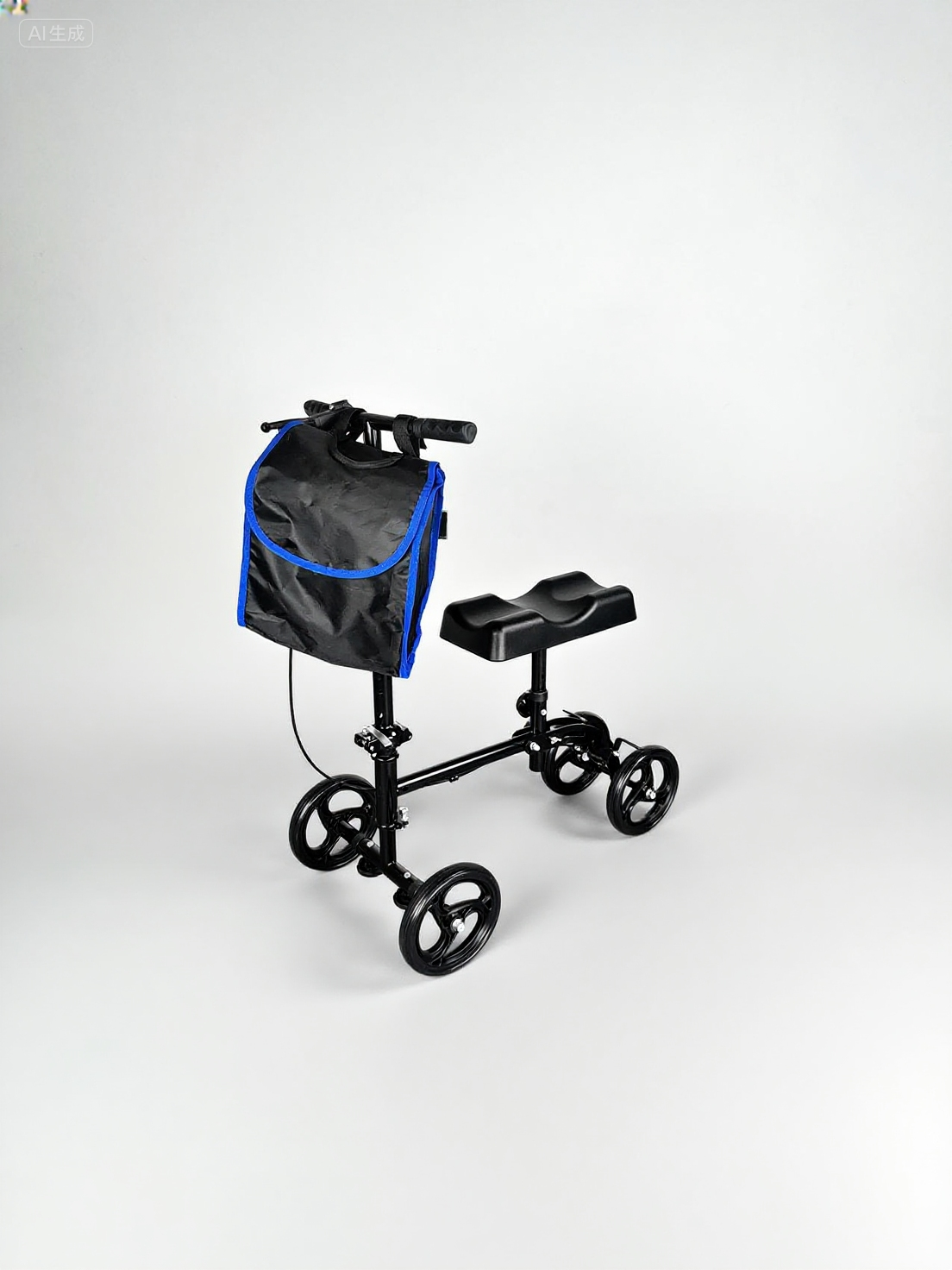
Addressing Customer Needs: Ergonomic Rollators vs. Traditional Walkers in Modern Healthcare Procurement
Introduction
As the healthcare industry evolves, procurement specialists and product managers are increasingly tasked with meeting diverse and complex customer needs. The Comparison of Conventional and Ergonomic Rollators is at the heart of this challenge, balancing patient satisfaction, clinical effectiveness, and financial sustainability.
Understanding Modern Customer Expectations
Today’s healthcare customers—including hospitals, clinics, and senior care facilities—demand more than basic mobility. They expect solutions that enhance patient comfort, minimize risk, and integrate seamlessly into care environments. Procurement teams must assess how both traditional and ergonomic walkers address these expectations.
Traditional vs. Ergonomic Rollator Analysis: Meeting Core Needs
Traditional vs. Ergonomic Rollator Analysis reveals key differences in function, adaptability, and overall value. While traditional walkers offer robustness and simplicity, ergonomic models provide superior comfort, adjustability, and support, particularly for long-term and high-needs users.
- Comfort & Safety: Ergonomic rollators are engineered with user well-being in mind—adjustable grips, padded seats, and easy-to-use brakes reduce fall risks and strain.
- Adaptability: Multiple configuration options make ergonomic models suitable for a broader range of users, from post-surgery patients to active seniors.
- Cost Considerations: Traditional models may win on initial price, but ergonomic designs often save money in the long run by reducing complications and improving user satisfaction.
- Regulatory Compliance: Modern ergonomic devices typically meet updated safety and accessibility standards.
Evaluating Classic and Ergonomic Walker Designs: A Customer-Centric Approach
The process of Evaluating Classic and Ergonomic Walker Designs should always start with the customer’s voice. Collecting feedback from end-users, clinicians, and caregivers helps procurement teams match product features with real-world needs.
- Deploy pilot programs to test both classic and ergonomic models in real care settings.
- Use surveys and interviews to gather detailed feedback on usability, comfort, and outcomes.
- Review maintenance and return records to identify recurring issues or preferred features.
- Incorporate patient safety and satisfaction data into the final procurement decision.
Case Example: Solving Challenges in a Senior Living Facility
A senior living provider faced high rates of user complaints and falls with conventional walkers. By switching to ergonomic rollators—featuring custom-fit handles, lightweight frames, and easy-fold mechanisms—the facility saw a 40% drop in incident reports and significantly improved resident satisfaction scores.
Integrating Customer Needs into Procurement Strategy
To ensure every purchase delivers value, procurement teams should:
- Engage key stakeholders early—include clinicians, end-users, and supply chain partners in requirements gathering.
- Evaluate supplier flexibility for custom features and responsive after-sales support.
- Prioritize products with robust safety certifications and strong real-world performance data.
- Implement continuous improvement processes, using feedback to refine product selections over time.
Conclusion
The Comparison of Conventional and Ergonomic Rollators makes clear that addressing modern customer needs requires more than cost control. Ergonomic models, backed by detailed Traditional vs. Ergonomic Rollator Analysis and thorough Evaluating Classic and Ergonomic Walker Designs, are increasingly the preferred choice for healthcare procurement. By listening to customer voices and focusing on long-term outcomes, organizations can achieve both clinical excellence and financial sustainability.
SEO Keywords/Tags (40 sets for SEO, related to products, services, and customer groups):
- ergonomic rollator procurement
- customer-centric walker supply
- healthcare user satisfaction
- modern walker design
- classic rollator customer feedback
- patient safety walker
- adaptable mobility device
- senior care procurement
- ergonomic walker benefits
- clinical outcome rollator
- custom-fit walker solution
- adjustable grip rollator
- user experience healthcare
- mobility device safety
- healthcare procurement trend
- caregiver preferred walker
- fall prevention rollator
- long-term care mobility aid
- walker maintenance reduction
- real-world walker feedback
- patient-centered procurement
- ergonomic mobility innovation
- supply chain walker selection
- certified ergonomic rollator
- residential care equipment
- adjustable height walker
- senior resident walker
- walker procurement process
- user feedback driven supply
- healthcare compliance walker
- after-sales walker support
- procurement strategy mobility
- performance data rollator
- customer requirements rollator
- advanced walker features
- walker satisfaction survey
- incident reduction walker
- custom mobility solution
- continuous improvement procurement
- procurement best practice walker
READ MORE:
- Optimizing Supply Chain Decisions: The Impact of Ergonomic Rollators
- How to Evaluate Classic and Ergonomic Walker Designs for Product Managers
- Key Differences in Traditional vs. Ergonomic Rollator Analysis: A Procurement Perspective
- Comprehensive Comparison of Conventional and Ergonomic Rollators for Professional Buyers