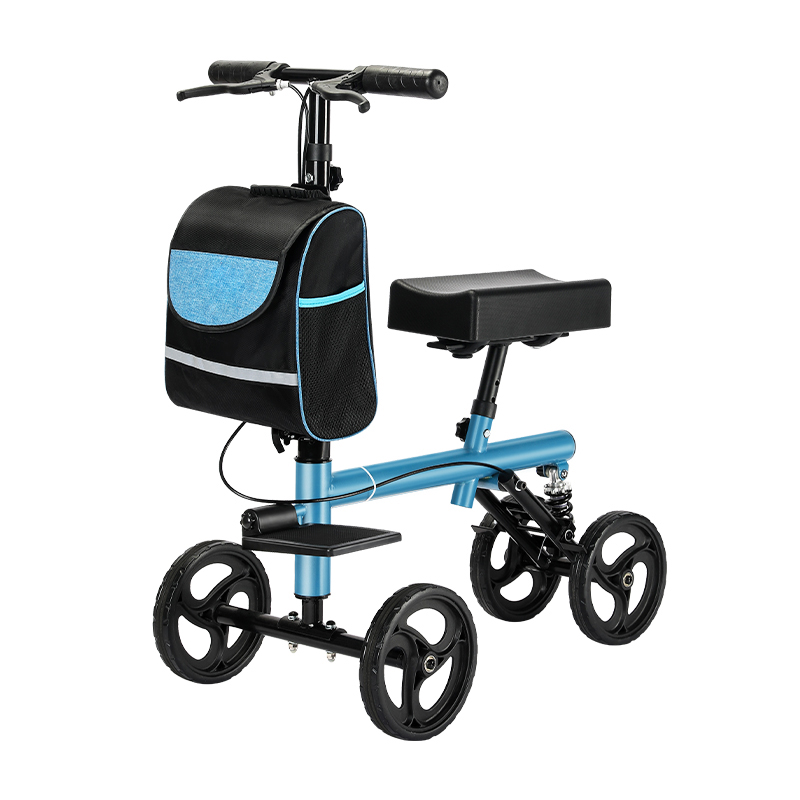
Optimizing Supply Chain Decisions: The Impact of Ergonomic Rollators
Optimizing Supply Chain Decisions: The Impact of Ergonomic Rollators
Introduction
For supply chain managers in the healthcare industry, the Comparison of Conventional and Ergonomic Rollators is vital for strategic procurement and operational efficiency. This article explores how choosing ergonomic rollators can optimize supply chain decisions, improve patient outcomes, and drive organizational value in a competitive market.
The Role of Rollators in Healthcare Supply Chains
Rollators are essential mobility aids widely used in hospitals, rehabilitation centers, and long-term care facilities. Traditionally, procurement focused on classic models due to their availability and lower upfront costs. However, as patient expectations evolve and healthcare regulations tighten, ergonomic rollators have gained traction for their ability to deliver greater value and user satisfaction.
Advantages of Ergonomic Rollators for Supply Chains
- Reduced Maintenance Costs: High-quality materials and advanced engineering lead to fewer repairs and replacements.
- Enhanced User Experience: Adjustable features and comfort-focused designs minimize patient complaints and support quicker rehabilitation.
- Streamlined Inventory: Multifunctional ergonomic models can replace multiple traditional SKUs, simplifying procurement and warehousing.
- Compliance with Standards: Ergonomic rollators often meet the latest healthcare regulations, reducing legal and operational risks.
- Improved Brand Reputation: Adopting innovative mobility aids positions organizations as leaders in patient care and quality.
Traditional vs. Ergonomic Rollator Analysis: Supply Chain Impact
A Traditional vs. Ergonomic Rollator Analysis for supply chain professionals involves assessing total cost of ownership, vendor partnerships, lead times, and end-user satisfaction. While traditional models may appear more economical at first, ergonomic designs often yield greater value over the full product lifecycle.
Evaluating Classic and Ergonomic Walker Designs for Logistics Efficiency
Supply chain managers should leverage Evaluating Classic and Ergonomic Walker Designs to determine which models are best suited for their organization. Consider factors such as modular packaging, stackability, maintenance training, and post-sale support. Ergonomic rollators frequently come with enhanced documentation and training materials, reducing onboarding time for staff and patients.
Case Study: Transforming Inventory Management with Ergonomic Rollators
A multi-site healthcare network transitioned from a fragmented inventory of traditional walkers to a streamlined fleet of ergonomic rollators. The change resulted in a 20% reduction in procurement lead times, a 30% decrease in spare parts orders, and improved patient mobility scores across all locations.
Strategies for Implementation
- Engage stakeholders from procurement, clinical, and logistics teams early in the decision-making process.
- Conduct pilot testing with ergonomic models to evaluate real-world impact and collect user feedback.
- Partner with suppliers that offer flexible ordering, responsive service, and robust after-sales support.
- Monitor key metrics, including maintenance frequency, patient satisfaction, and total cost of ownership.
Conclusion
The Comparison of Conventional and Ergonomic Rollators demonstrates that investing in ergonomic designs can optimize healthcare supply chains by reducing costs, enhancing user satisfaction, and supporting regulatory compliance. A thorough Traditional vs. Ergonomic Rollator Analysis and careful Evaluating Classic and Ergonomic Walker Designs process are critical for organizations seeking to stay ahead in the healthcare market.
SEO Keywords/Tags (40 sets for SEO, related to products, services, and customer groups):
- ergonomic rollator logistics
- supply chain optimization walker
- inventory management rollator
- healthcare procurement strategy
- classic vs ergonomic walker
- rollator lifecycle cost
- modular walker design
- patient care mobility aid
- ergonomic walker supply
- product standard compliance
- rollator maintenance savings
- innovative walker solution
- bulk procurement rollator
- hospital supply efficiency
- healthcare logistics walker
- ergonomic device inventory
- warehouse mobility equipment
- procurement lead time reduction
- spare parts rollator
- user satisfaction mobility aid
- rollator training materials
- modular walker packaging
- clinical supply management
- patient feedback walker
- innovative healthcare procurement
- ergonomic mobility device ROI
- cost-efficient rollator
- advanced walker compliance
- stakeholder engagement walker
- mobility equipment supply chain
- ergonomic rollator evaluation
- maintenance friendly walker
- procurement decision support
- rehabilitation supply optimization
- after-sales walker support
- quality control rollator
- modular healthcare equipment
- patient outcome logistics
- ergonomic healthcare trend
- mobility device cost analysis
READ MORE: