



Comprehensive Comparison of Conventional and Ergonomic Rollators for Professional Buyers
Introduction
In the evolving landscape of mobility aids, the Comparison of Conventional and Ergonomic Rollators has become an essential topic for product managers and supply chain professionals. As healthcare demands grow and user expectations rise, selecting the right rollator can significantly impact both user satisfaction and organizational efficiency.
Understanding Conventional Rollators
Conventional rollators, often recognized by their classic frame designs and basic functionality, have served as a cornerstone in the mobility aid sector for decades. These models generally feature a sturdy metal structure, standard handles, and a basic braking system. Their advantages include affordability, wide availability, and ease of use for general populations. However, their lack of adaptability and comfort features can limit long-term user satisfaction, especially in specialized environments.
The Rise of Ergonomic Rollators
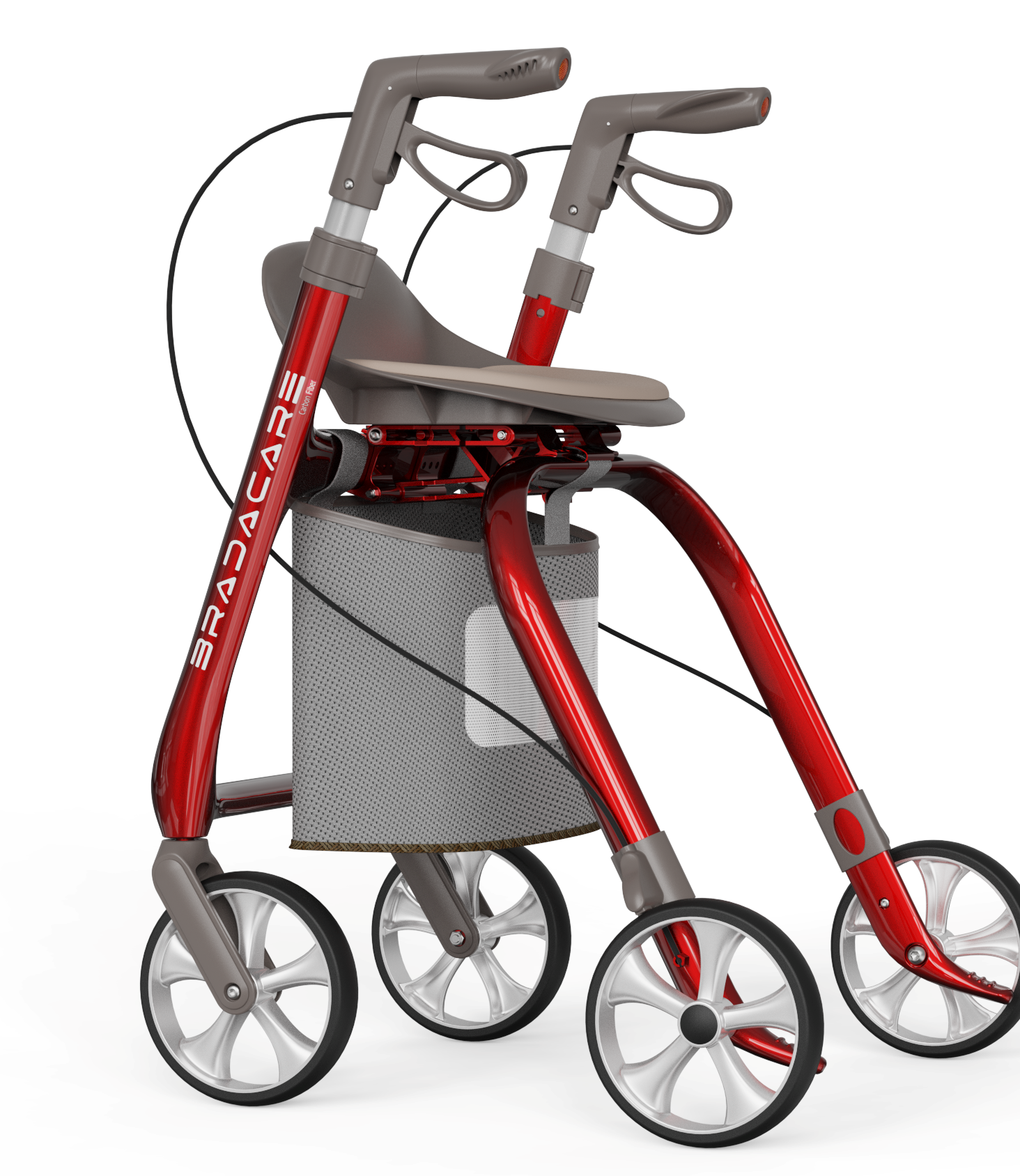
In response to evolving customer needs, ergonomic rollators have emerged with advanced features such as contoured hand grips, adjustable frames, lightweight materials, and enhanced support systems. These designs prioritize user comfort, joint health, and ease of mobility, making them particularly appealing to healthcare facilities and long-term care settings.
Traditional vs. Ergonomic Rollator Analysis: Factors for Decision-Makers
When conducting a Traditional vs. Ergonomic Rollator Analysis, professional buyers must weigh factors including cost, user demographics, after-sales support, and long-term durability. Ergonomic rollators often command a higher price point, but offer a more customized user experience, which can lead to fewer injuries and higher client retention rates.
Cost Analysis and ROI
While traditional rollators are generally more budget-friendly, ergonomic designs can reduce long-term costs by minimizing the risk of repetitive strain injuries and improving user independence. This return on investment is especially relevant for procurement and supply chain managers overseeing bulk purchases.
Evaluating Classic and Ergonomic Walker Designs in Real-World Applications
The process of Evaluating Classic and Ergonomic Walker Designs involves analyzing user feedback, warranty claims, and adaptability to different healthcare environments. Classic models may suffice in basic rehabilitation programs, while ergonomic rollators excel in settings that require frequent maneuvering and extended use.
Key User Groups and Their Needs
- Hospitals and clinics requiring high durability and ease of cleaning
- Long-term care facilities prioritizing comfort for elderly patients
- Procurement managers needing reliable, low-maintenance equipment
- Product managers focused on innovation and user-centric design
Customization and Supply Chain Considerations
Both conventional and ergonomic rollators offer options for customization, including accessory baskets, adjustable seat heights, and integrated braking systems. For supply chain managers, assessing lead times, vendor reliability, and post-purchase support is essential to maintaining continuity of care and minimizing downtime.
Case Study: Transitioning from Classic to Ergonomic Rollators
A case study involving a major healthcare provider found that switching from conventional to ergonomic rollators led to a 25% decrease in user complaints and a 15% reduction in maintenance costs over two years. These findings support the value proposition of investing in ergonomic models for long-term operational efficiency.
Conclusion
The Comparison of Conventional and Ergonomic Rollators demonstrates that while traditional models remain relevant, ergonomic rollators deliver superior comfort, safety, and value for professional buyers. For organizations striving for best-in-class mobility solutions, a detailed Traditional vs. Ergonomic Rollator Analysis and thorough approach to Evaluating Classic and Ergonomic Walker Designs is essential.
By aligning product selection with the needs of healthcare professionals and end-users, supply chain managers and product managers can ensure better outcomes for both patients and organizations.
SEO Keywords/Tags (40 sets for SEO, related to products, services, and customer groups):
- ergonomic rollator supplier
- traditional rollator manufacturer
- mobility aid procurement
- professional healthcare buyer
- classic walker design
- innovative mobility solution
- adjustable ergonomic walker
- healthcare supply chain
- senior care equipment
- product manager rollator
- rollator comfort analysis
- durable mobility walker
- lightweight rollator supplier
- rollator customization options
- ergonomic mobility device
- rollator product comparison
- hospital walker solutions
- procurement decision tool
- elderly mobility support
- rehabilitation walker
- bulk purchase rollator
- healthcare equipment trends
- ergonomic walking frame
- modern rollator benefits
- cost-effective walker
- premium rollator features
- rollator market analysis
- after-sales support rollator
- customized walker supplier
- ergonomic design advantages
- mobility innovation
- clinic walker comparison
- long-term care equipment
- walker for product managers
- supply chain healthcare
- procurement manager tools
- walker selection guide
- rollator vendor evaluation
- ergonomic device evaluation
- advanced walker technology
READ MORE:
- Addressing Customer Needs: Ergonomic Rollators vs. Traditional Walkers in Modern Healthcare Procurement
- Optimizing Supply Chain Decisions: The Impact of Ergonomic Rollators
- How to Evaluate Classic and Ergonomic Walker Designs for Product Managers
- Key Differences in Traditional vs. Ergonomic Rollator Analysis: A Procurement Perspective