



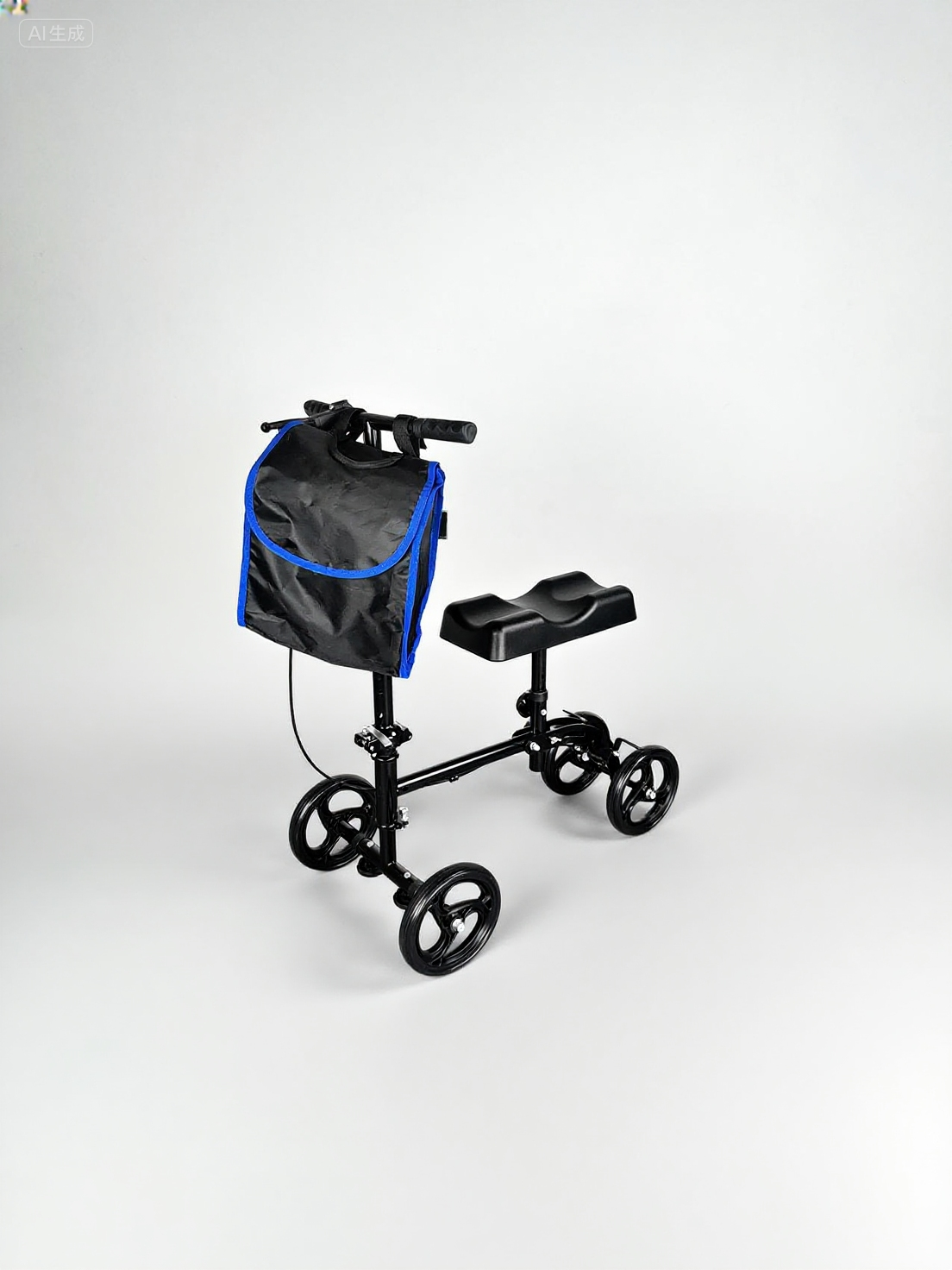
Key Differences in Traditional vs. Ergonomic Rollator Analysis: A Procurement Perspective
Introduction
For procurement and supply chain managers, understanding the Comparison of Conventional and Ergonomic Rollators is essential for making informed purchasing decisions in the rapidly evolving mobility aid market. This article explores the most critical differences between traditional and ergonomic rollators, providing actionable insights for healthcare professionals, product managers, and purchasing leaders.
Overview of Traditional Rollators
Traditional rollators have served as the industry standard for decades, known for their reliable yet basic designs. Featuring robust frames, fixed-height handles, and simple mechanical brakes, these devices offer cost-effective solutions for institutions prioritizing affordability and simplicity. However, their classic design may not adequately address the nuanced needs of all end-users, particularly those with complex mobility challenges.
Introduction to Ergonomic Rollators
Ergonomic rollators represent the next step in mobility aid innovation. These products incorporate human-centered design, such as adjustable and cushioned grips, lightweight frames, height adaptability, and advanced braking systems. Procurement professionals increasingly consider these features essential for client satisfaction, long-term durability, and safety.
Traditional vs. Ergonomic Rollator Analysis in Procurement
In Traditional vs. Ergonomic Rollator Analysis, procurement professionals should focus on several critical factors:
- User Adaptability: Ergonomic models allow for better customization based on patient height, hand size, and walking habits.
- Cost Evaluation: While traditional rollators are initially less expensive, ergonomic rollators often provide greater value by reducing the risk of injury and long-term maintenance.
- Quality and Durability: Ergonomic rollators often use advanced materials and more durable construction, making them suitable for high-frequency institutional use.
- Maintenance Needs: Traditional models are generally easier to repair, but ergonomic rollators may require specialized parts and service, necessitating vendor partnerships.
- User Experience: Feedback consistently favors ergonomic models, particularly for elderly users and those in rehabilitation.
Evaluating Classic and Ergonomic Walker Designs: Procurement Strategies
In the context of Evaluating Classic and Ergonomic Walker Designs, successful procurement strategies should include:
- Conducting pilot programs to gather real-world feedback from both end-users and clinicians
- Reviewing warranty policies, parts availability, and after-sales support for each vendor
- Balancing immediate costs with projected long-term savings in care and maintenance
- Ensuring regulatory compliance and safety certification
Case Scenario: Bulk Procurement Decision-Making
A large rehabilitation facility recently faced a decision between bulk purchasing traditional rollators versus newer ergonomic models. Through side-by-side testing, the procurement team found that while upfront costs were higher for ergonomic models, the overall client satisfaction scores and lower incident reports justified the investment. A detailed Comparison of Conventional and Ergonomic Rollators was essential in presenting the business case to executive management.
Impact on Supply Chain and Logistics
Ergonomic rollators can present supply chain challenges due to their more complex build and demand for specialized replacement parts. However, many manufacturers now offer streamlined logistics, vendor-managed inventory, and training for in-house maintenance teams to offset these challenges.
Trends and Recommendations for Product Managers
Current trends indicate a clear shift toward ergonomic design in both Western and emerging healthcare markets. Product managers are encouraged to consider the voice of the customer in new product development, prioritizing adjustability, comfort, and technology integration.
Conclusion
In summary, the Traditional vs. Ergonomic Rollator Analysis reveals that while classic rollators remain viable for basic applications, ergonomic models are increasingly favored for long-term value, end-user satisfaction, and overall safety. For procurement professionals, a robust process for Evaluating Classic and Ergonomic Walker Designs is now indispensable to successful decision-making in healthcare mobility aids.
SEO Keywords/Tags (40 sets for SEO, related to products, services, and customer groups):
- ergonomic rollator supplier
- traditional rollator manufacturer
- mobility aid procurement
- healthcare procurement leader
- classic walker product
- bulk rollator purchase
- institutional mobility device
- ergonomic medical walker
- senior care purchasing
- supply chain healthcare
- adjustable rollator
- rehabilitation equipment buyer
- product manager walker
- cost analysis rollator
- user-centric mobility aid
- rollator vendor selection
- innovative walker design
- after-sales rollator support
- durable healthcare product
- hospital walker supplier
- ergonomic design procurement
- quality rollator sourcing
- walker market trends
- advanced rollator features
- procurement ROI
- vendor management rollator
- bulk mobility aid order
- customer satisfaction rollator
- maintenance-friendly walker
- rollator product safety
- certified mobility device
- senior equipment manager
- mobility innovation supplier
- walker design comparison
- institutional equipment trends
- hospital supply manager
- walker performance review
- professional walker procurement
- logistics healthcare rollator
- long-term value rollator
READ MORE:
- Addressing Customer Needs: Ergonomic Rollators vs. Traditional Walkers in Modern Healthcare Procurement
- Optimizing Supply Chain Decisions: The Impact of Ergonomic Rollators
- How to Evaluate Classic and Ergonomic Walker Designs for Product Managers
- Comprehensive Comparison of Conventional and Ergonomic Rollators for Professional Buyers





