





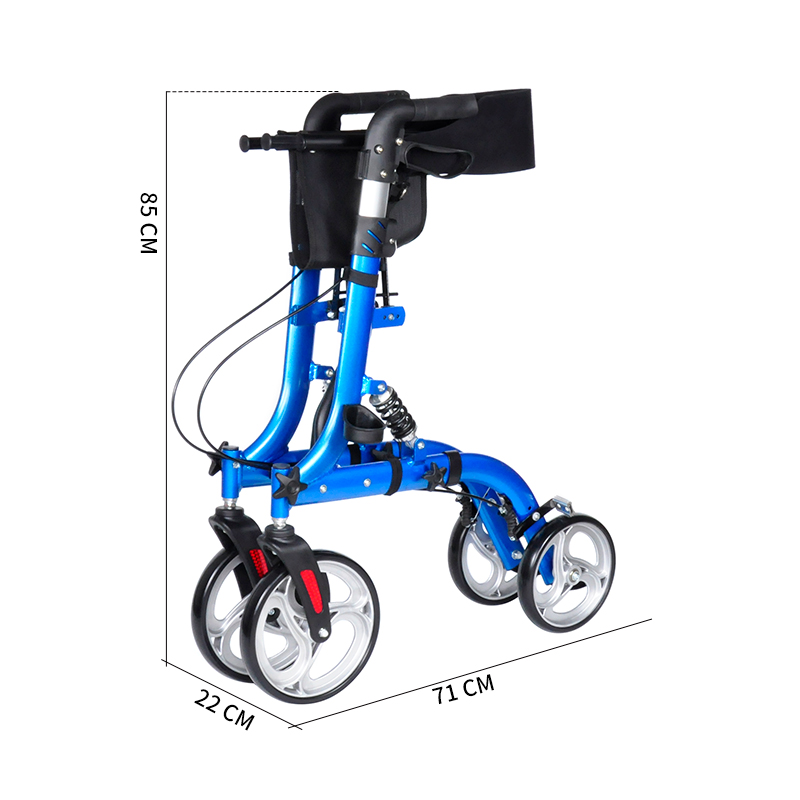
Boosting Clinical and Operational Efficiency with Healthcare Facility Rollator Management
As patient acuity rises and resources tighten, healthcare facility managers must find ways to optimize both clinical care and workflow. Strategic healthcare facility rollator management is a powerful, cost-effective tool for improving outcomes, reducing staff burden, and supporting patient autonomy. This article outlines a five-step approach for managers seeking to streamline processes and maximize the value of every rollator in inventory.
1. Streamlined Assessment and Allocation Processes
Establish simple, fast screening protocols to match patients with the right healthcare facility rollator. Use digital forms or EHR integrations to speed up clinical assessments and device assignment, cutting wait times and improving throughput without sacrificing quality.
2. Automation and Technology in Inventory Management
Invest in inventory management software, barcode/RFID tracking, and maintenance scheduling tools. These systems allow real-time visibility of every healthcare facility rollator, ensuring devices are available, serviced, and appropriately allocated. Proactive maintenance reduces downtime and saves costs long term.
3. Cross-Functional Team Collaboration
Encourage communication and cooperation among nursing, therapy, logistics, and procurement teams. Clear workflows for requesting, assigning, and maintaining rollators break down silos, enabling smoother operations and better patient experiences.
4. Patient Advocacy and Engagement Programs
Include patients and families in device selection, training, and ongoing feedback. Foster a culture where patients are empowered to report issues and request changes, resulting in safer, more satisfying rehabilitation journeys with their healthcare facility rollator.
5. Performance Metrics and Continuous Optimization
Track KPIs—average time to allocation, device utilization rates, staff satisfaction, and patient mobility outcomes. Analyze trends and use data to fine-tune processes, drive staff training, and support business cases for future investment in rollator inventory.
For more details, please visit: www.relaxsmithrollator.com



