





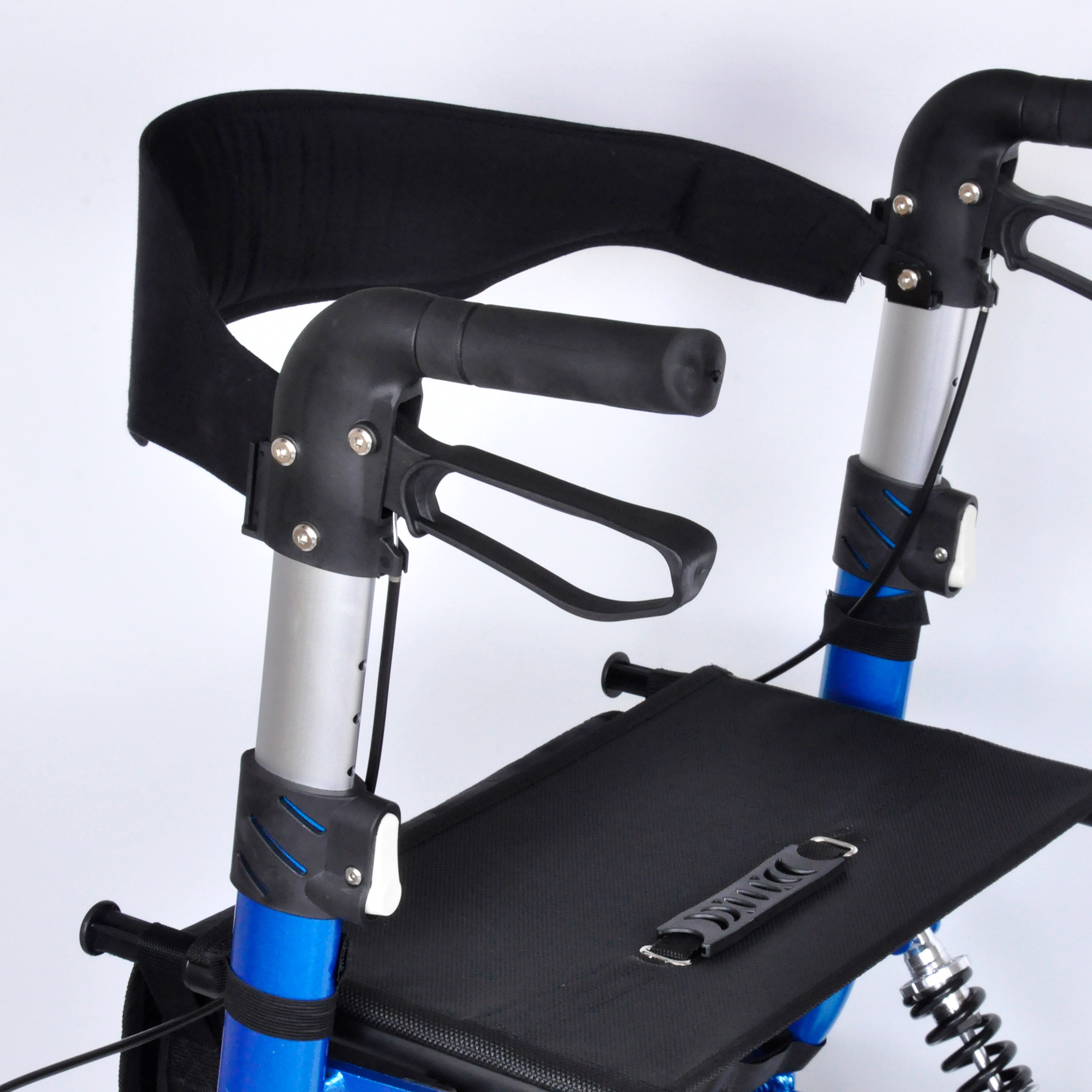
Optimizing Patient Safety and Rehabilitation with Healthcare Facility Rollator Strategies
Healthcare facility managers face ongoing challenges in ensuring every patient has access to the right mobility aid at the right time. Strategic healthcare facility rollator allocation is not only about access, but about improving safety, boosting rehabilitation outcomes, and reducing adverse events. This article covers five core directions to guide effective, evidence-based rollator allocation in busy clinical environments.
1. Comprehensive Needs Assessment and Patient Segmentation
Start by establishing a multidisciplinary process for identifying which patients require which type of healthcare facility rollator. Use clinical screening tools to assess functional status, environmental barriers, and expected recovery trajectories. This granular approach ensures individualized device allocation and sets the foundation for successful mobility programs.
2. Policy Development and Documentation
Draft and implement facility-wide policies that define rollator allocation standards, including assessment intervals, reassessment protocols, and documentation requirements. Consistent recordkeeping supports better tracking, auditing, and risk management for all healthcare facility rollator use.
3. Staff Education and Interdisciplinary Communication
Invest in staff training programs that go beyond device operation to cover allocation rationale, fitting, and reporting mechanisms. Regular team huddles and handoff tools help ensure no gaps in device use or patient safety. Foster open communication between nurses, therapists, and procurement to ensure prompt issue resolution.
4. Data-Driven Monitoring and Rapid Response
Set up key performance indicators (KPIs) such as falls per 1,000 patient-days, device utilization rates, and time to rollator delivery. Analyze these metrics in real time, responding rapidly to deviations. Immediate interventions and data-based adjustments lead to sustained improvements in both patient safety and satisfaction.
5. Continuous Feedback and Patient-Centered Adjustments
Regularly survey patients about their healthcare facility rollator experience, and use results to guide inventory improvements and process refinements. Include families and caregivers in feedback loops for additional insights. Patient-centered allocation remains the gold standard for successful rehabilitation and risk reduction.
For more details, please visit: www.relaxsmithrollator.com



